


A successful trail master plan starts with asking the right questions. Before design begins, communities need clarity around purpose, users, connectivity, funding, and long-term impact. These six questions help civic leaders and planners create trail systems that drive economic development, improve quality of life, and strengthen community identity.
In this article:
- Define the trail’s purpose early — Align your project with tourism, recreation, and economic development goals to guide all planning decisions.
- Design for your users and key connections — Create trails that serve residents and visitors while linking downtowns, parks, and local businesses.
- Plan for funding, signage, and long-term success — Secure phased funding, integrate signage and wayfinding, and prioritize ongoing maintenance and promotion.
At Destination by Design, we partner with civic leaders across the U.S. to plan, build, and promote vibrant places. Our services include community branding, trail and park planning, wayfinding planning, signage design, and destination marketing- all aimed at boosting quality of life and economic vitality. Looking to move your community forward? View services and contact us today.
What Is the Primary Purpose of the Trail System?
Every trail system should begin with a clear purpose. Is the goal to increase tourism, improve local recreation, connect neighborhoods, or support economic development?
Defining this early shapes every decision that follows—from route alignment to amenities and marketing strategies. A trail designed for tourism will look very different from one focused on daily community use.
Key Consideration:
Clarify whether your trail is meant to attract visitors, serve residents, or balance both.
Impact: Clear purpose leads to stronger funding opportunities and more measurable outcomes for your community.

Who Are You Designing For?
Understanding your audience is essential. Trails should reflect the needs of the people who will use them most.
Identify Core User Groups
- Families and casual walkers
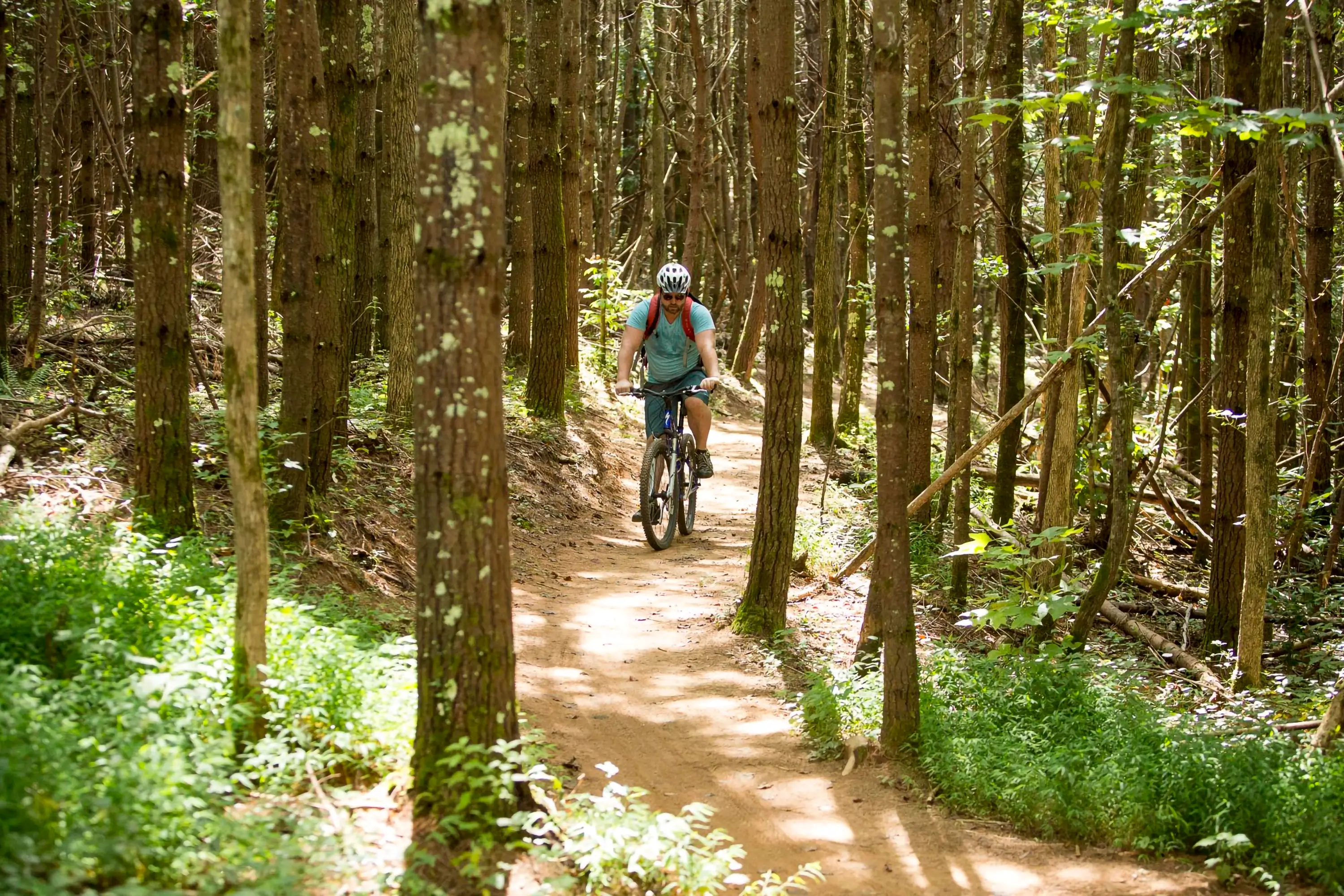
- Cyclists and outdoor enthusiasts
- Tourists and visitors
- Seniors and accessibility-focused users
Each group has different expectations for trail width, surface type, signage and wayfinding, safety, and amenities.
Impact: Designing with specific users in mind increases use and creates a more inclusive community asset.
How Will the Trail Connect Key Destinations?
A trail should not exist in isolation. The most successful systems connect people to meaningful places.
Key Destinations to Consider
- Downtown districts
- Parks and recreation areas
- Schools and neighborhoods
- Local businesses and attractions
Strong connectivity transforms a trail from a recreational feature into a piece of critical infrastructure.
Impact: Better connections increase foot traffic, support local businesses, and extend visitor stays—directly contributing to economic development.

What Role Will Signage and Wayfinding Play?
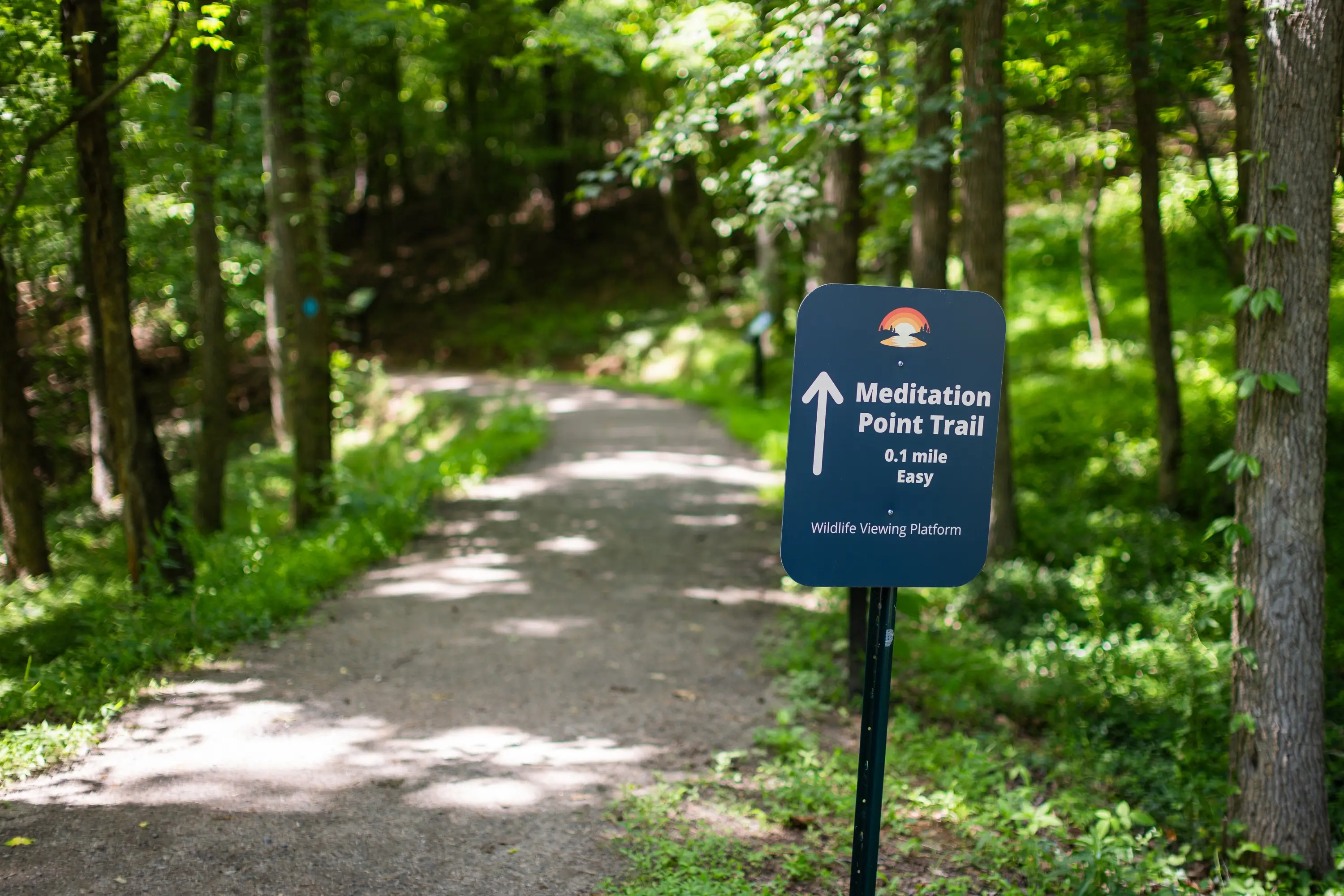
Signage and wayfinding are often overlooked early in planning—but they should be part of the conversation from the beginning.
Effective signage systems do more than guide users. They reinforce community branding, build confidence in navigation, and highlight key destinations along the route.
Consider These Elements Early
- Trailhead signage and entry points
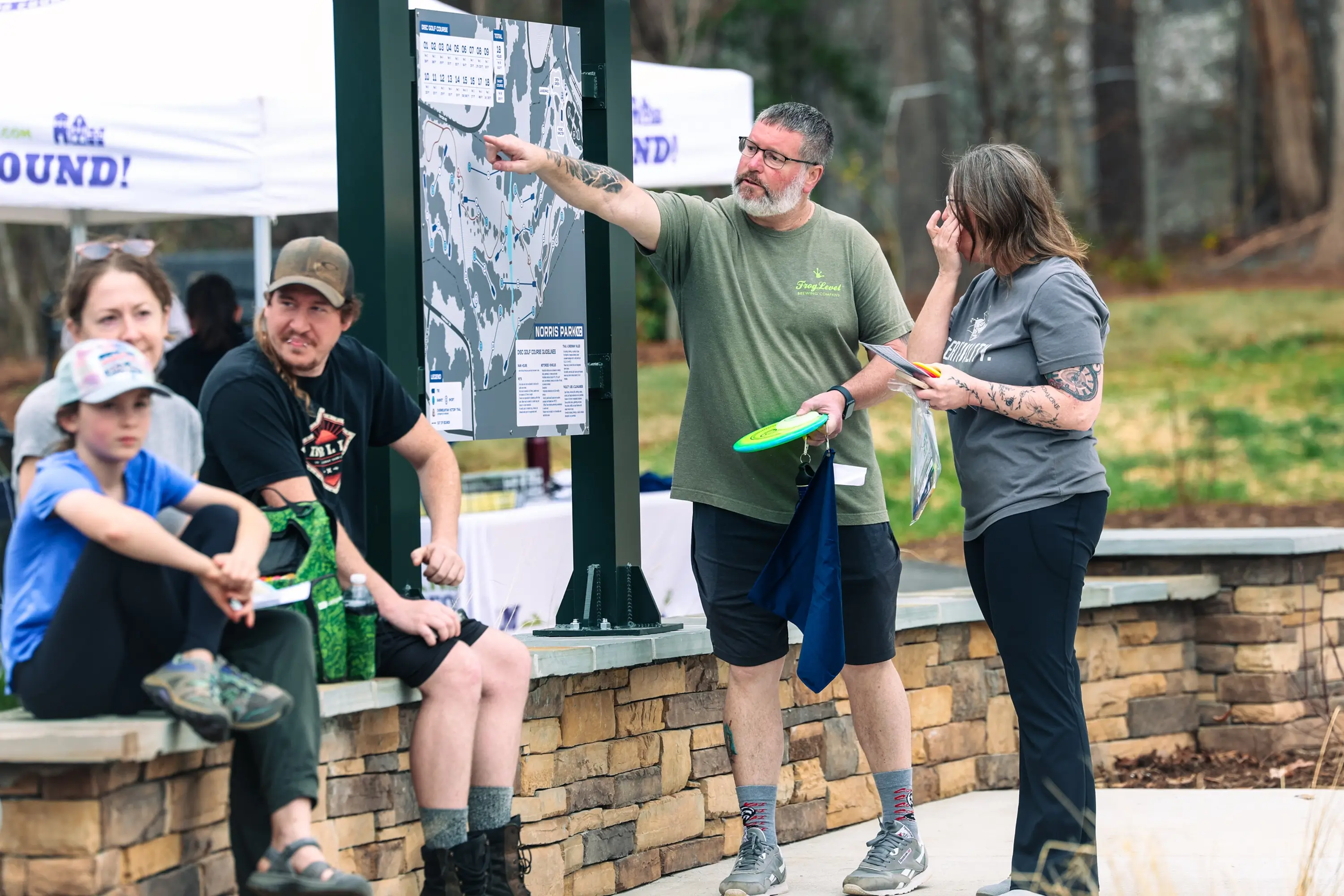
- Directional signage throughout the system
- Distance markers and safety information
- Branded elements that reflect your community identity
When it comes to trail design, signage and wayfinding should be integrated—not added later.
Impact: Clear navigation improves user satisfaction, encourages exploration, and strengthens your community’s overall brand.
How Will the Project Be Funded and Phased?
Trail systems are often built over time, not all at once. Understanding funding sources and phasing strategies is critical to long-term success.
Common Funding Sources
- Local and state grants
- Federal funding programs
- Public-private partnerships
- Tourism and economic development initiatives
Phasing allows communities to start with high-impact segments and build momentum for future expansion.
Impact: A realistic funding and phasing plan ensures your project moves forward instead of stalling after initial planning.
How Will You Maintain and Promote the Trail Long-Term?
Design is only the beginning. Long-term maintenance and promotion determine whether a trail remains an asset or becomes a liability.
Long-Term Planning Considerations
- Routine maintenance and repairs
- Safety and lighting updates
- Ongoing community engagement
- Destination marketing strategies
Promotion plays a key role in keeping trails active and visible. A strong destination marketing strategy helps position your trail as a must-visit asset within your region.
Impact: Consistent upkeep and promotion increase usage, protect your investment, and sustain economic benefits over time.

Bringing It All Together with a Strategic Planning and Design Firm
Trail systems are more than recreational amenities—they are investments in your community’s future. Asking these six questions creates a strong foundation for a project that connects people, supports local businesses, and enhances quality of life.
Destination By Design partners with civic leaders, planners, and economic developers across the country to create trail systems that work. As both a planning firm and destination marketing agency, we align trail design with community branding, signage and wayfinding, and long-term economic goals.
From early visioning to final implementation, our team helps communities turn ideas into built projects that deliver real results.
Ready to move forward with your trail system? Let’s start with the right questions—and build a plan that works for your community.

Request a Proposal
Discover how we can
bring your vision to life.