At Destination by Design, our work supports communities to think through how these places are introduced, positioned, and sustained. In this case, the research informs both strategic messaging and long-term activation planning. View services and contact us today.
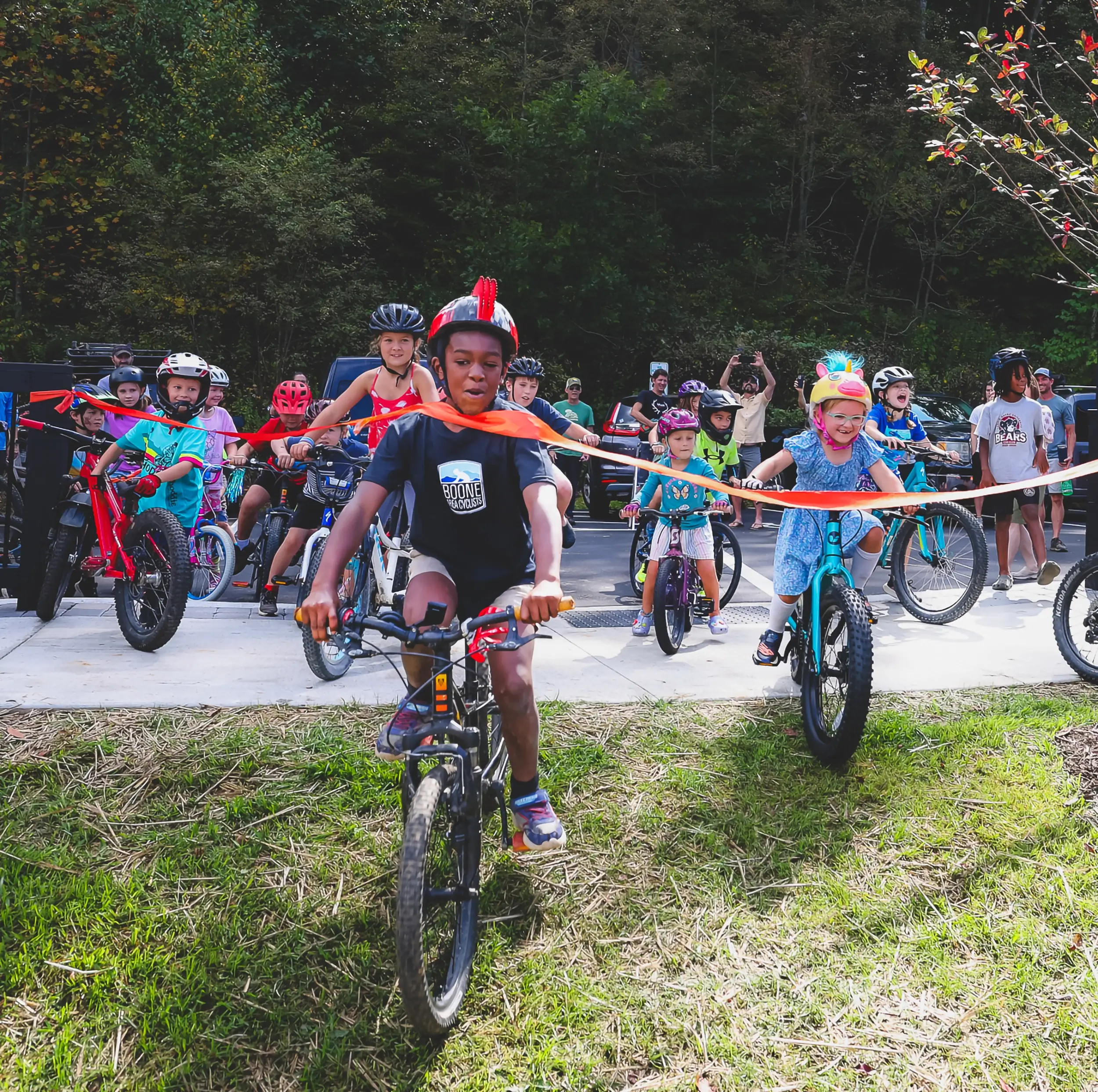
1. Successful Bike Parks Lead with a Clear Identity
Across the parks reviewed, distinct identities take shape.
Some facilities function primarily as destination parks. Their visibility ties directly to terrain, scale, events, and regional draw. Travel becomes part of the experience, and marketing reinforces that sense of destination.
Others place skill development at the center of their identity. Instruction, camps, visible progression pathways, and structured learning environments are not secondary features; they are fundamental to how the park is understood.
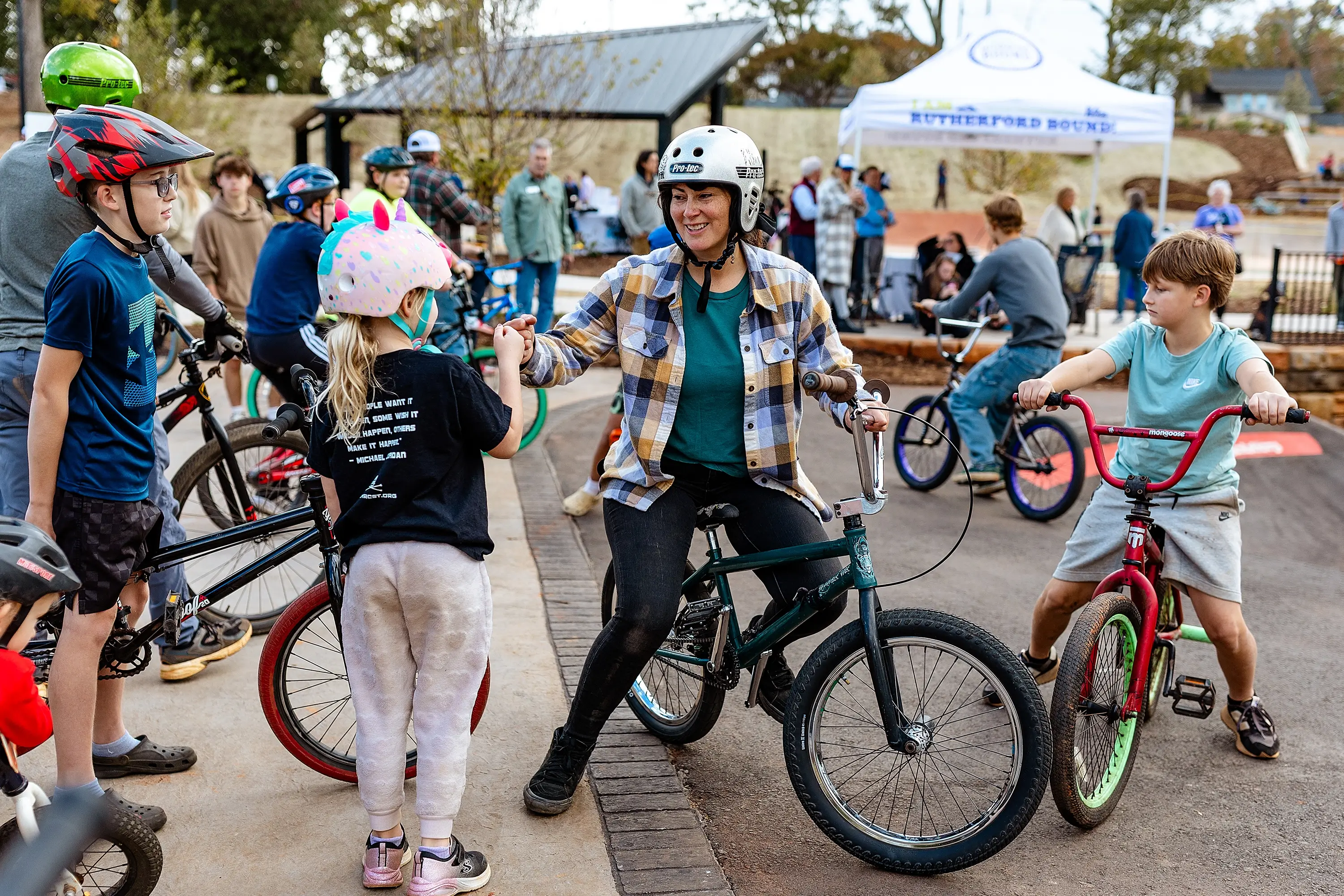
A third group operates as public, daily-use facilities. Often municipally owned or publicly accessible, these parks weave into everyday community life. Their success depends less on one-time visitation and more on repeat use, familiarity, and long-term local ownership.
Many parks borrow elements from multiple models. The most effective ones, however, lead clearly from a primary identity. That clarity influences everything from design decisions to communication priorities.
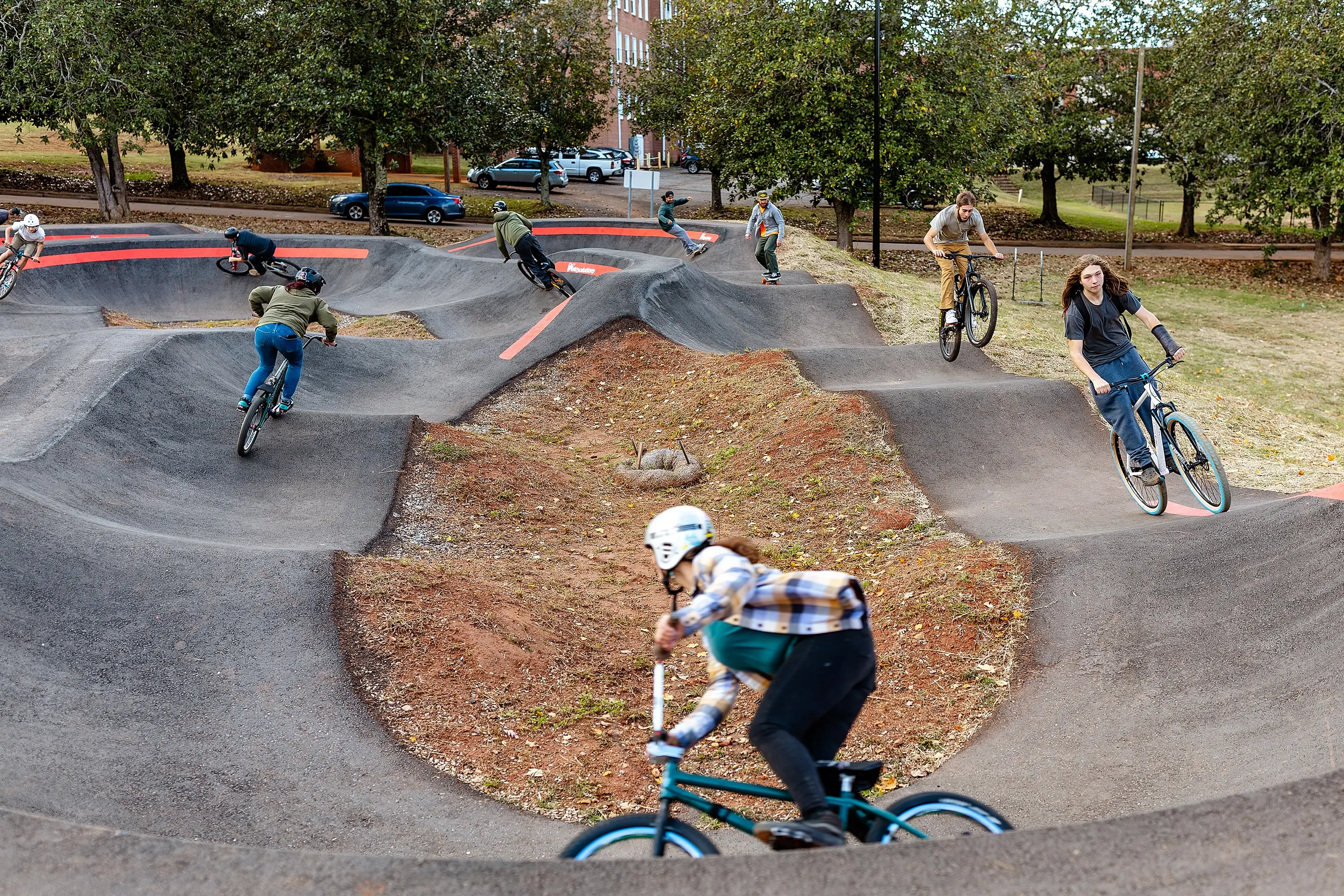
2. Momentum Builds When Marketing Reinforces Identity
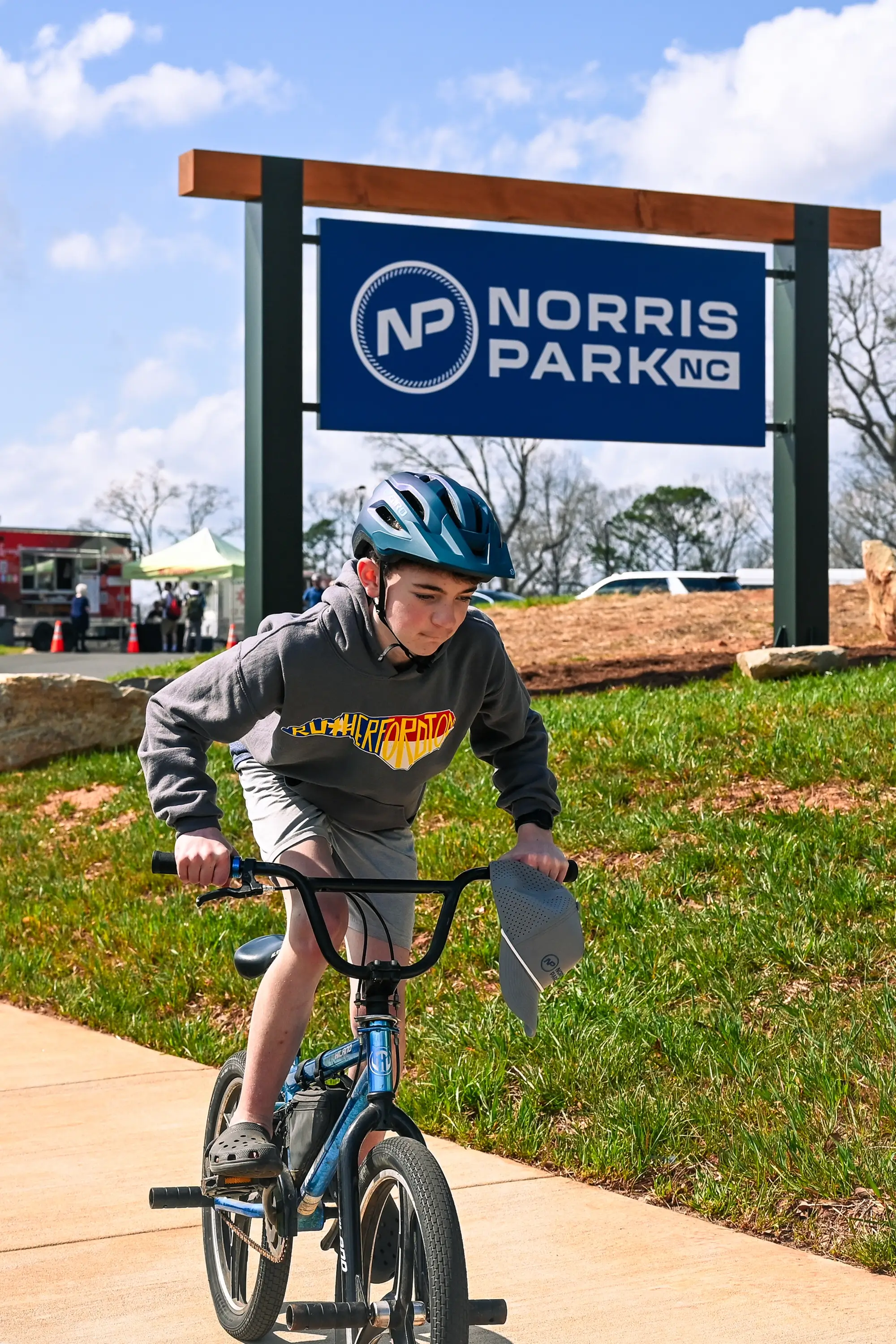
While park identities vary, the ways they build traction are surprisingly consistent.
Ongoing improvements remain visible to the public. Construction updates, trail expansions, maintenance efforts, and signs of continued investment reinforce that the park is active and evolving.
Information is easy to access. Clear maps, organized websites, pinned posts, and on-site signage reduce intimidation and help new riders feel oriented before they ever clip in.
Progression is visible. Parks show beginners riding alongside more advanced users, highlight skill zones, and communicate that improvement is expected — and supported.
Credibility extends beyond official channels. Media coverage, trail platforms, and respected riders shape perception in ways institutional messaging alone cannot.
Programming creates rhythm. Weekly events, recurring gatherings, and consistent activity turn parks from destinations into habits.
Nearly every park engages in these methods to some degree. What distinguishes them is emphasis. The methods that receive the most consistent attention ultimately shape how the park is understood.
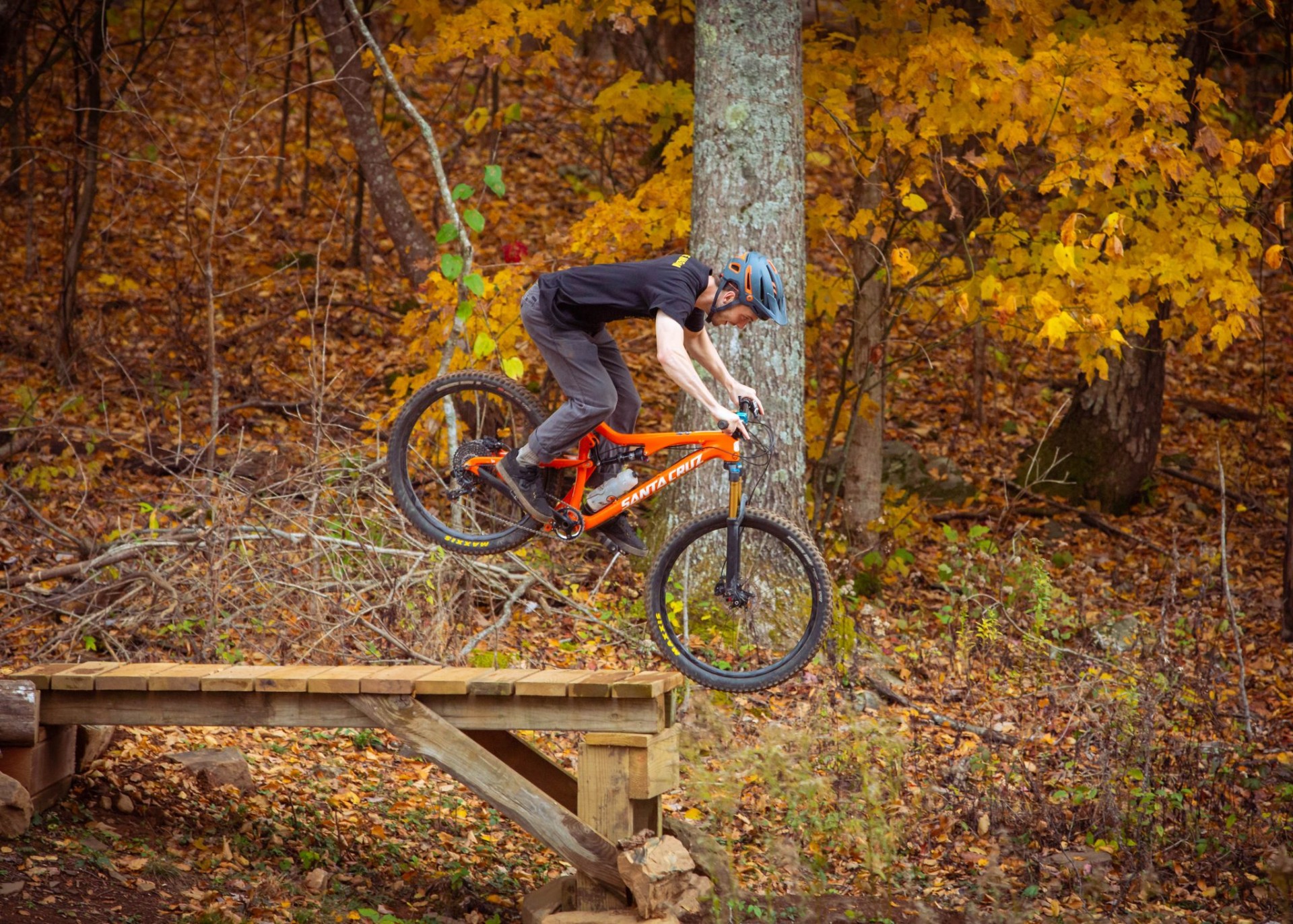
3. Aligning Identity and Marketing Strategy Determines Long-Term Impact
This comparative work is not about replicating tactics. It is about alignment.
A destination-oriented park leans more heavily into events and third-party visibility. A skill-focused facility centers instruction and progression in its storytelling. A municipal park prioritizes clarity, local awareness, and repeatable programming to build habit and community ownership.
For communities investing in new infrastructure, these distinctions matter. Design establishes the physical environment, but positioning influences how that environment is perceived and used. Programming and communication determine whether initial curiosity evolves into sustained participation.
When identity and marketing methods align, parks are better equipped to build trust, encourage return visits, and contribute to broader community goals.
4. Research Provides a Framework Communities Can Apply to Their Own Bike Park Strategy
The framework emerging from this subset of parks offers a structured way to interpret what can otherwise feel like a fragmented field. While deeper study could expand or refine these categories, the patterns identified here provide a practical lens for decision-making.
For Destination by Design, this type of analysis informs how we approach both planning and communications strategy. We build parks. We help position parks. To do that effectively, we study how similar places gain traction so infrastructure investments are supported by thoughtful, context-specific strategies from the beginning.
Communities investing in bike parks are not simply constructing trails or pump tracks. They are shaping recreational culture, local identity, and long-term systems of participation. Understanding how momentum forms is one step toward ensuring those investments deliver lasting value.

Request a Proposal
Discover how we can
bring your vision to life.