

The MTN is a legislatively created recreation authority working to position West Virginia as a premier recreational trail destination in the US.
Our Communications Team was tasked with branding this flagship trail, crafting a visual identity, messaging, and marketing strategy to elevate it’s mission and increase outdoor tourism to the Mountain State.


Brand
Identity
The MTN brand story invites hikers, cyclists, and paddlers to forge a new connection with nature, history, and adventure in the heart of the Appalachian Mountains.
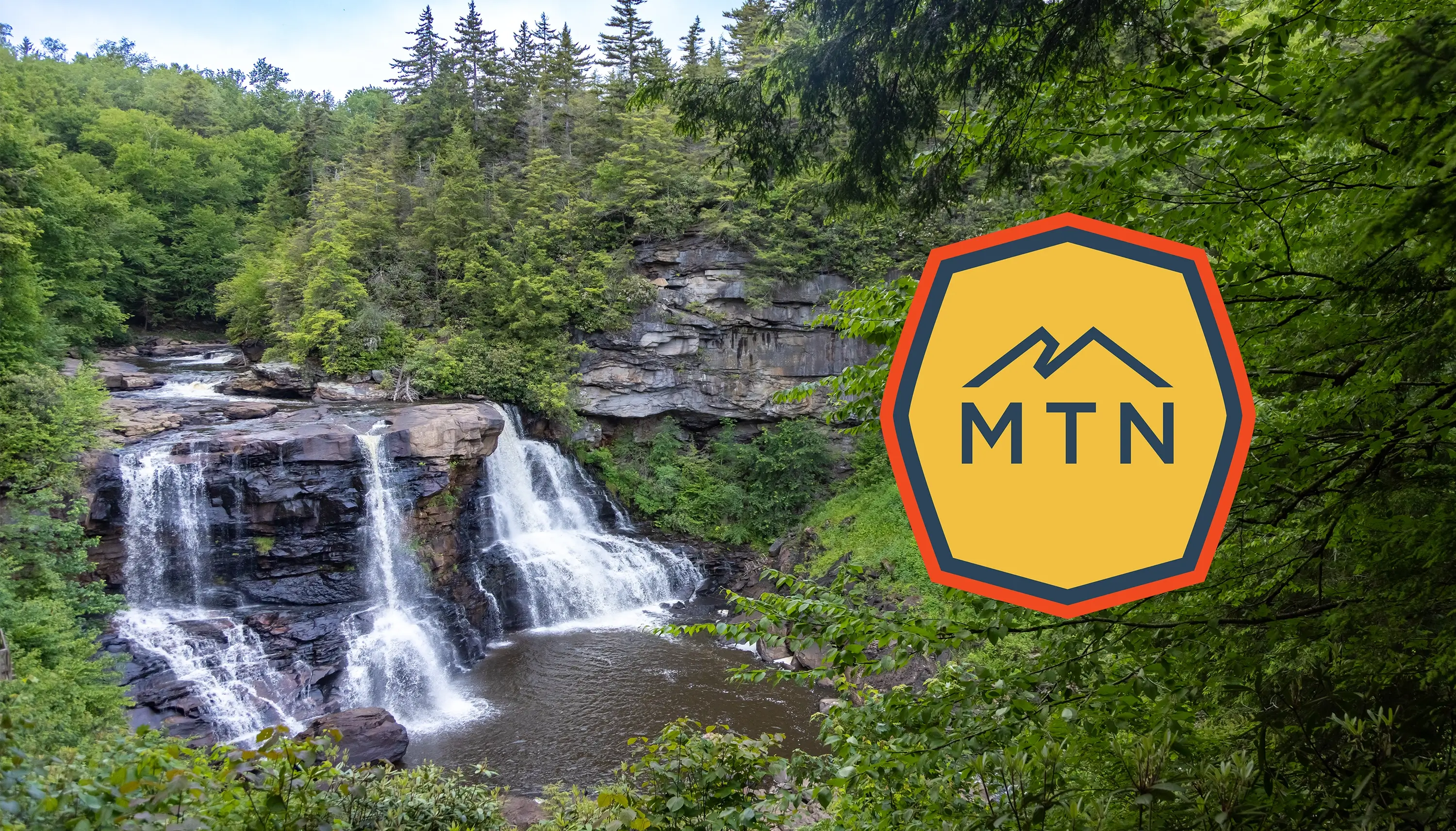
The mountaineer moniker and “MTN” acronym connects the historic West Virginia mountaineer with today’s modern adventurer, tying both to the spirit of the Mountain State.


The clean simplicity of the logo is intended to stand out on infrastructure within the natural environment, providing a modern twist to West Virginia’s classic identity.
Brand Strategy

Our team identified the need for a dynamic brand that speaks to both visitors and organizational partners.
Brand language emphasizes leveraging outdoor recreation as a catalyst for economic development and quality of life for residents, while simultaneously positioning WV’s remote mountainous landscape as a premiere trails destination on the east coast.
The MTN narrative honors WV’s classic mountaineer heritage by connecting the state’s historic use of trails for foot travel with contemporary trail development efforts and experiences.
Community Engagement

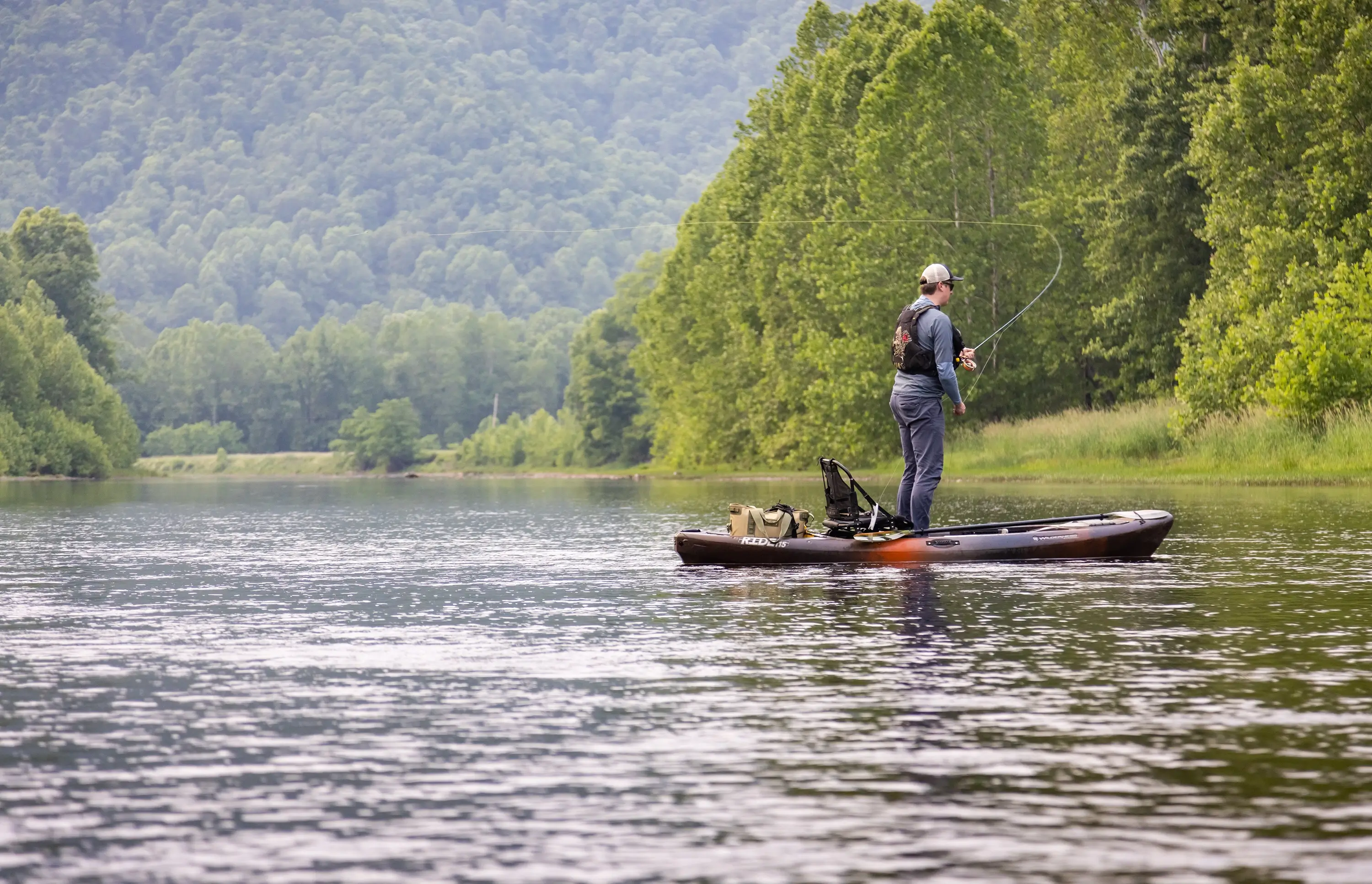
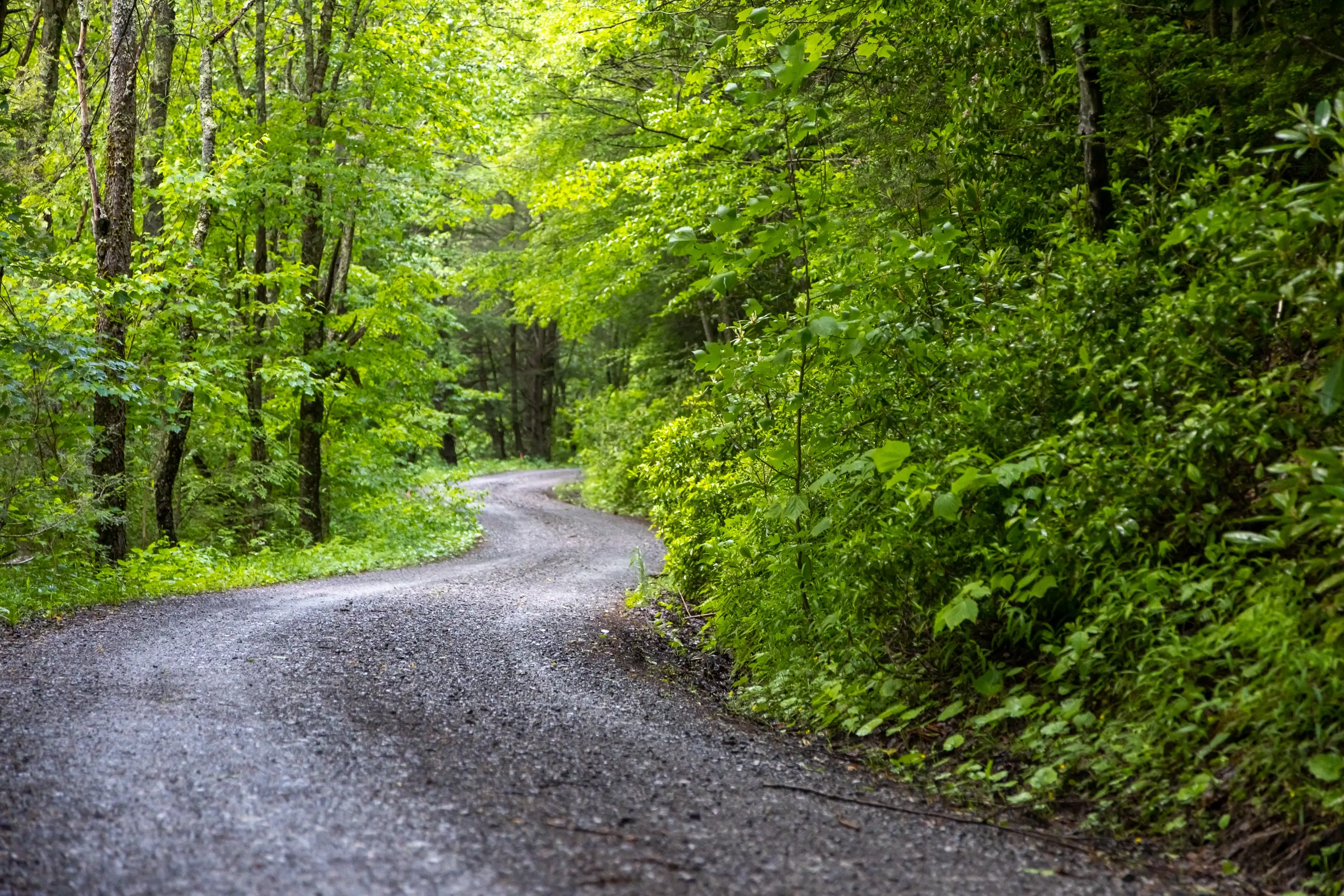
Visiting the five trail hubs across 18 counties, and engaging with stakeholders, our team biked, hiked, paddled, and fished our way through the state, learning exactly what made the region unique.
Website
A simple MTN website was launched to serve as a portal for the organization to continue building partnerships.
In Phase 2 this site will become a planning resource for the modern mountaineer, providing detailed information about trail maps, local amenities, and cultural experiences.

Destination by Design partnered with the Mountaineer Trail Network Recreation Authority, a legislatively created body working to position West Virginia as a premier non-motorized trail destination, to build its brand from the ground up. The scope included brand development, logo and visual identity design, marketing strategy, and a new website, all built around the “MTN” mark that connects West Virginia’s historic mountaineer heritage to today’s hikers, cyclists, and paddlers. Our team traveled to five trail hubs across 18 counties, biking, hiking, paddling, and fishing to ground the brand in the region’s real character.
In the Appalachian Mountains, community branding and marketing strategy work together to turn a legislative mandate into a destination visitors actually recognize. For the Mountaineer Trail Network, that meant pairing a clean, simple logo built to stand out on trail infrastructure with brand language that speaks to both outdoor recreationists and organizational partners, positioning the network’s remote terrain as a premier east coast trails destination.
A strong brand can turn a state’s remote, undeveloped terrain into its greatest economic asset. MTN’s brand strategy was built on that idea, framing outdoor recreation as a catalyst for both economic development and quality of life for West Virginia residents. By honoring the state’s mountaineer heritage while speaking directly to modern adventurers, the brand gives the network a foundation for growing outdoor tourism across its 18-county footprint.
Community branding is the process of developing a visual identity, messaging, and marketing strategy that captures the character of a place or organization and communicates it clearly to visitors and partners. For the Mountaineer Trail Network, that meant creating a brand story rooted in firsthand travel through the region’s trail hubs, then building a website to support ongoing partnership development as the network grows into a full trail-planning resource.
The Mountaineer Trail Network spans five trail hubs across 18 counties in some of the most remote terrain on the east coast, set deep in West Virginia’s Appalachian Mountains. That remoteness is central to the network’s identity, positioning West Virginia’s rugged, less-traveled landscape as untapped ground for hikers, cyclists, and paddlers looking for a new frontier of outdoor recreation.