We know what gets lost when that happens. So when we’re working somewhere far from home, we’re listening for the same kind of specificity we’d want someone to find in our own town.
In Oregon, more than 2,500 miles away, the work ranges from a full brand in Harney County, to wayfinding in Sisters, to a regional identity spanning eleven counties with Eastern Oregon Visitor Association.
Every one of these projects, regardless of scale, gets the same amount of care: time spent working to understand the place. Here’s a glimpse of what that looks like, one project at a time.
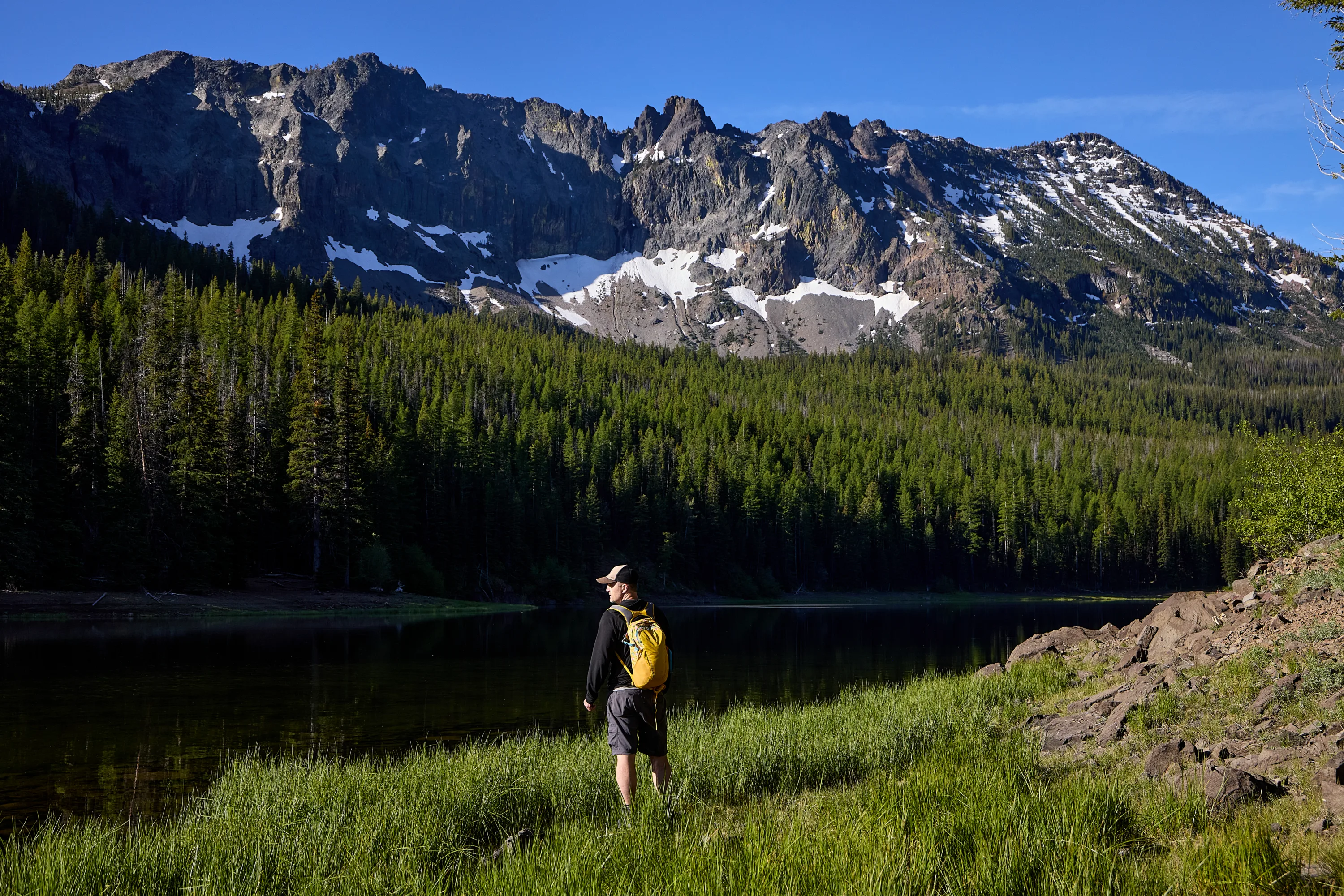
Harney County: Land, Water, Sky, Soul
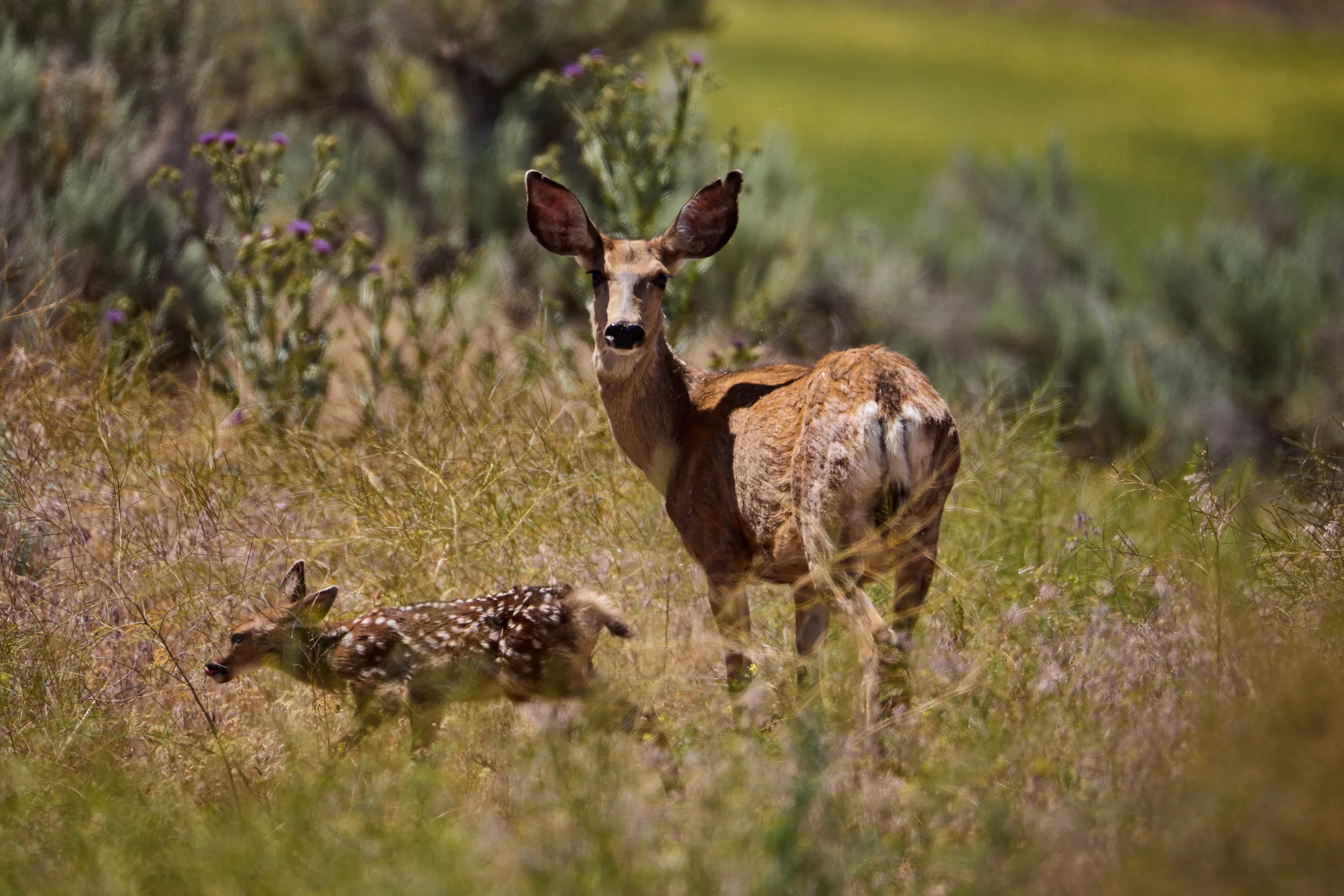
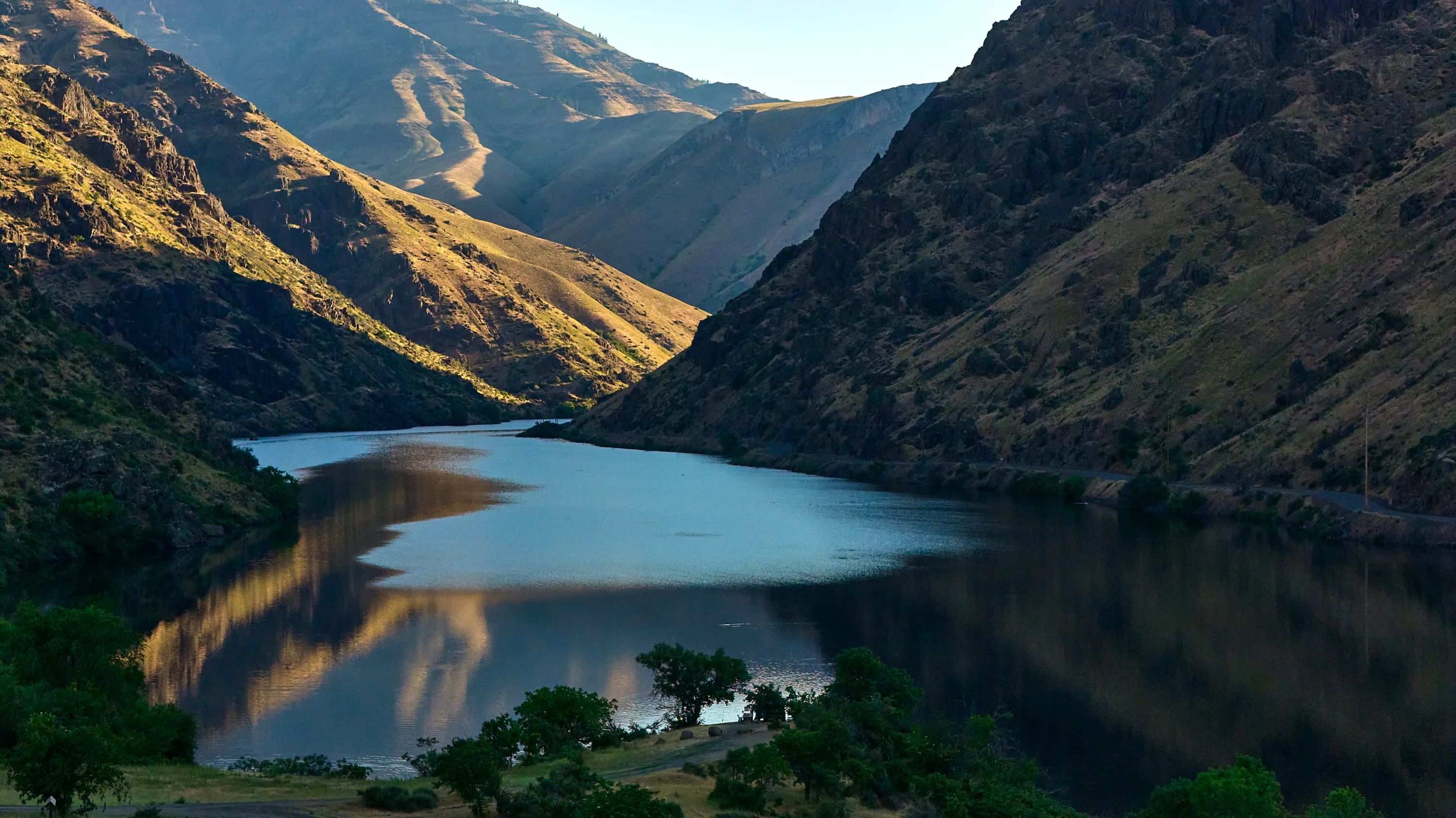
It started here, with a full county brand. Our team explored the high desert, talked with residents, members of the Burns Paiute Tribe, and cattle ranchers whose families have worked this land for generations. The result was Land, Water, Sky, Soul — four words that actually mean something here, because they came from people who live it.
We carried that framework through the county’s visual identity, its messaging, and a full marketing plan built to grow its visitor economy, while still holding onto what makes Harney County, Harney County.
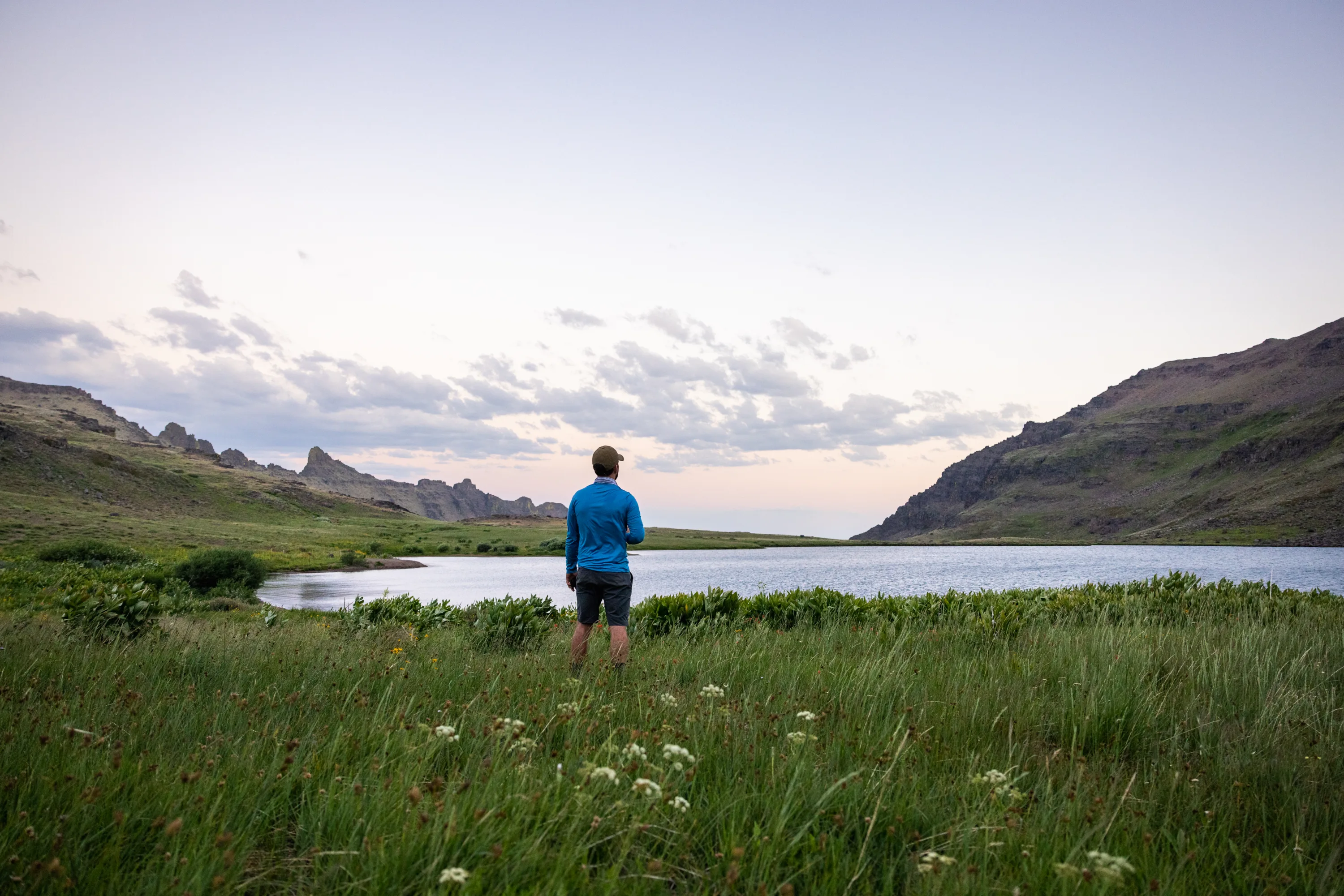
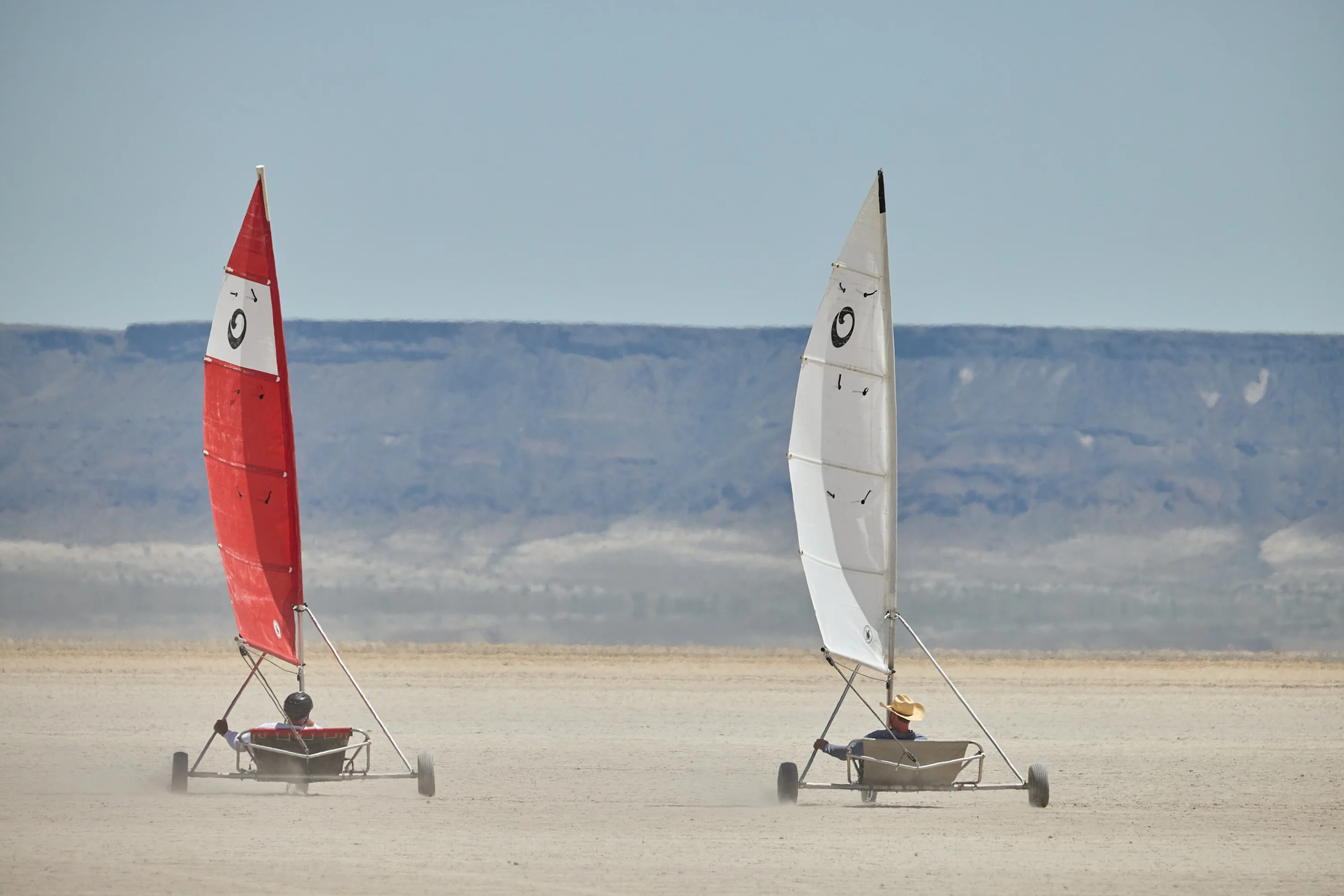
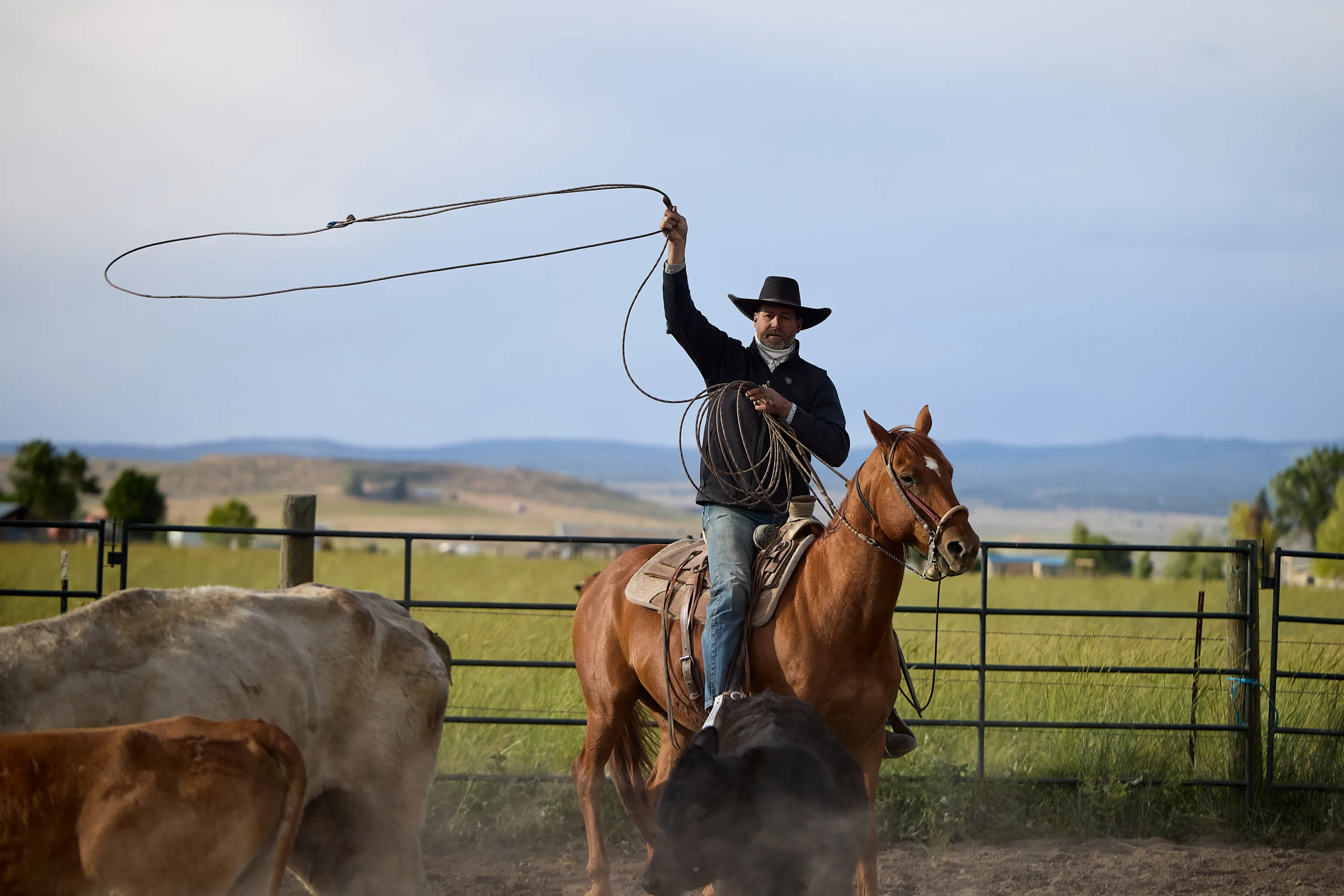
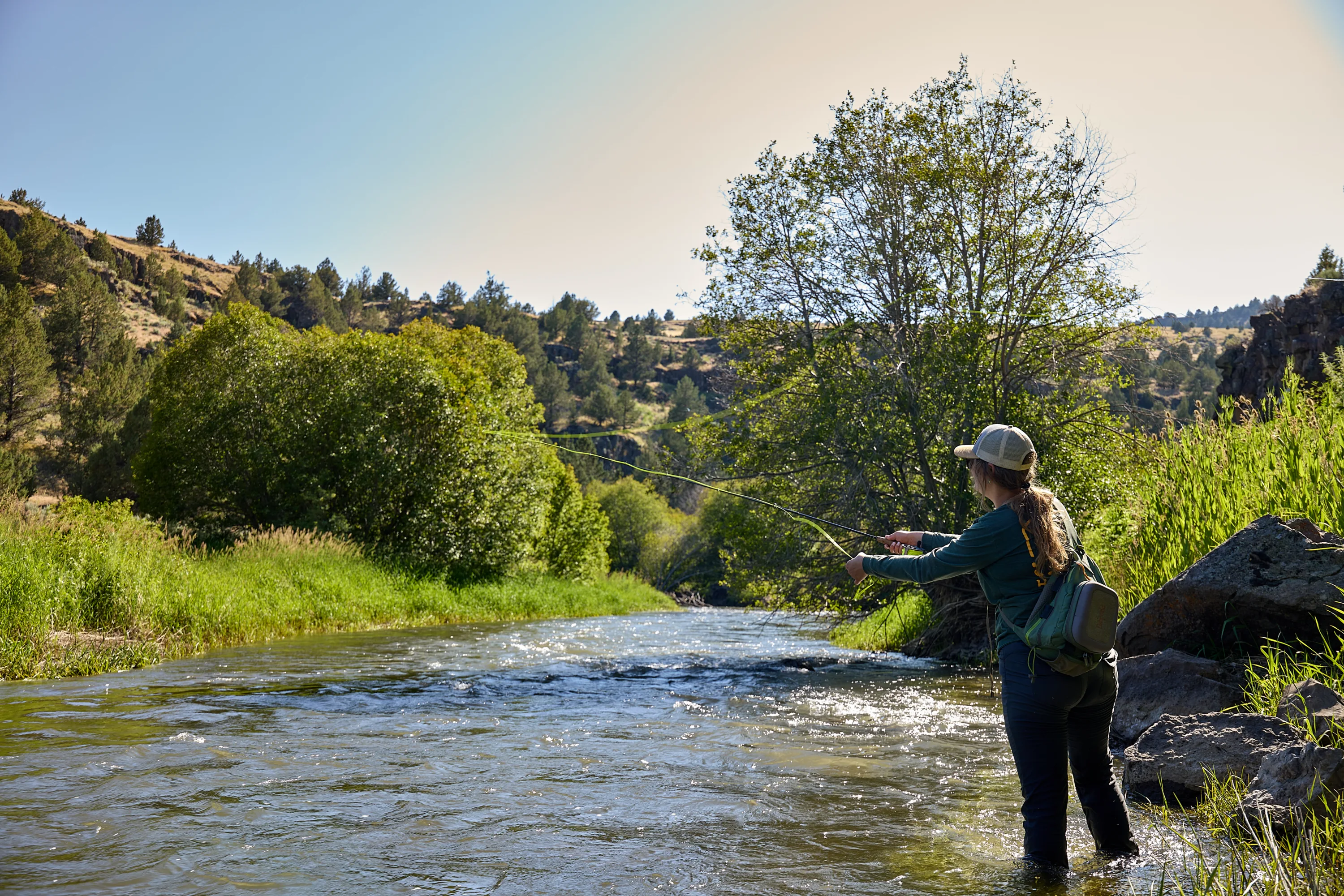
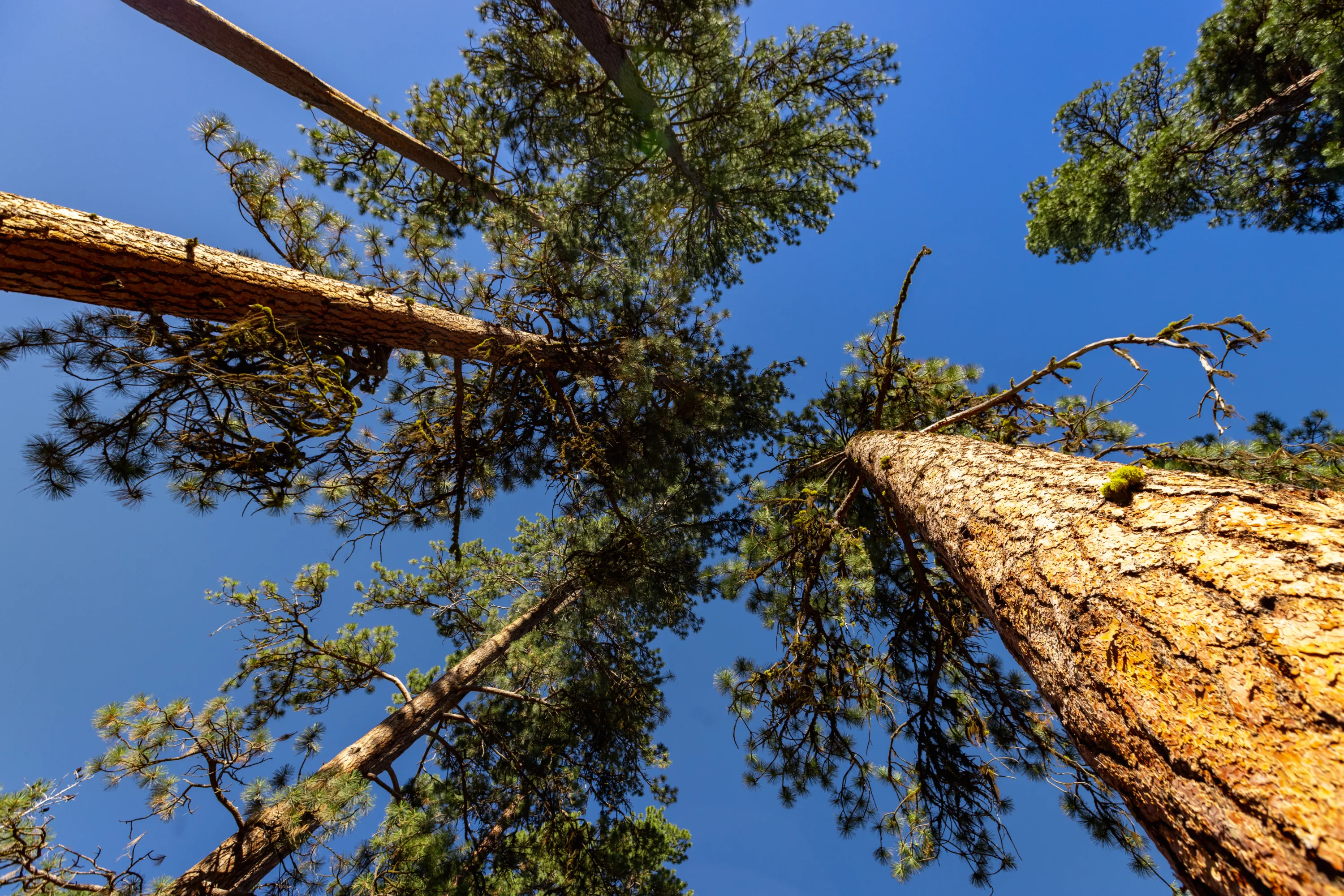
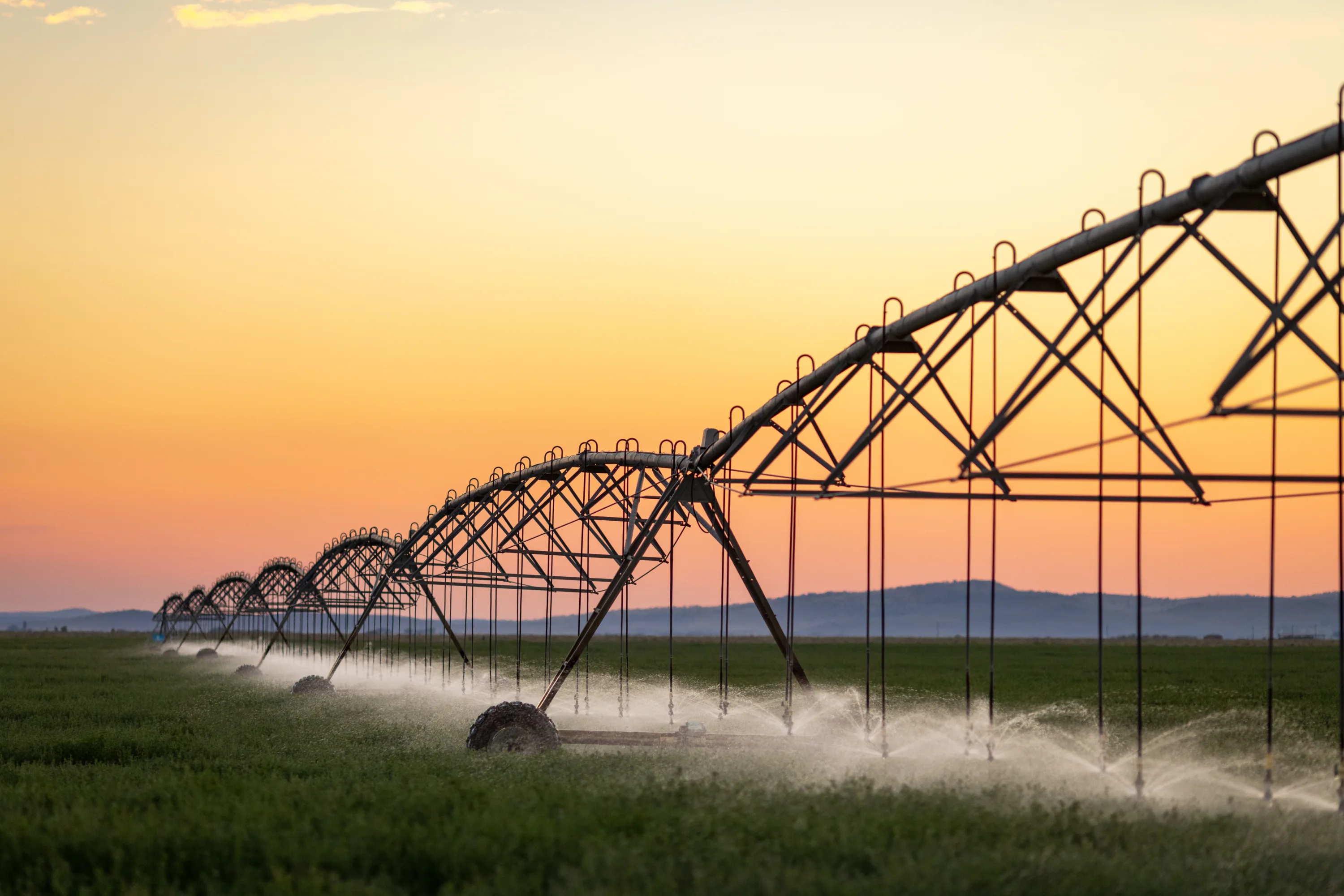
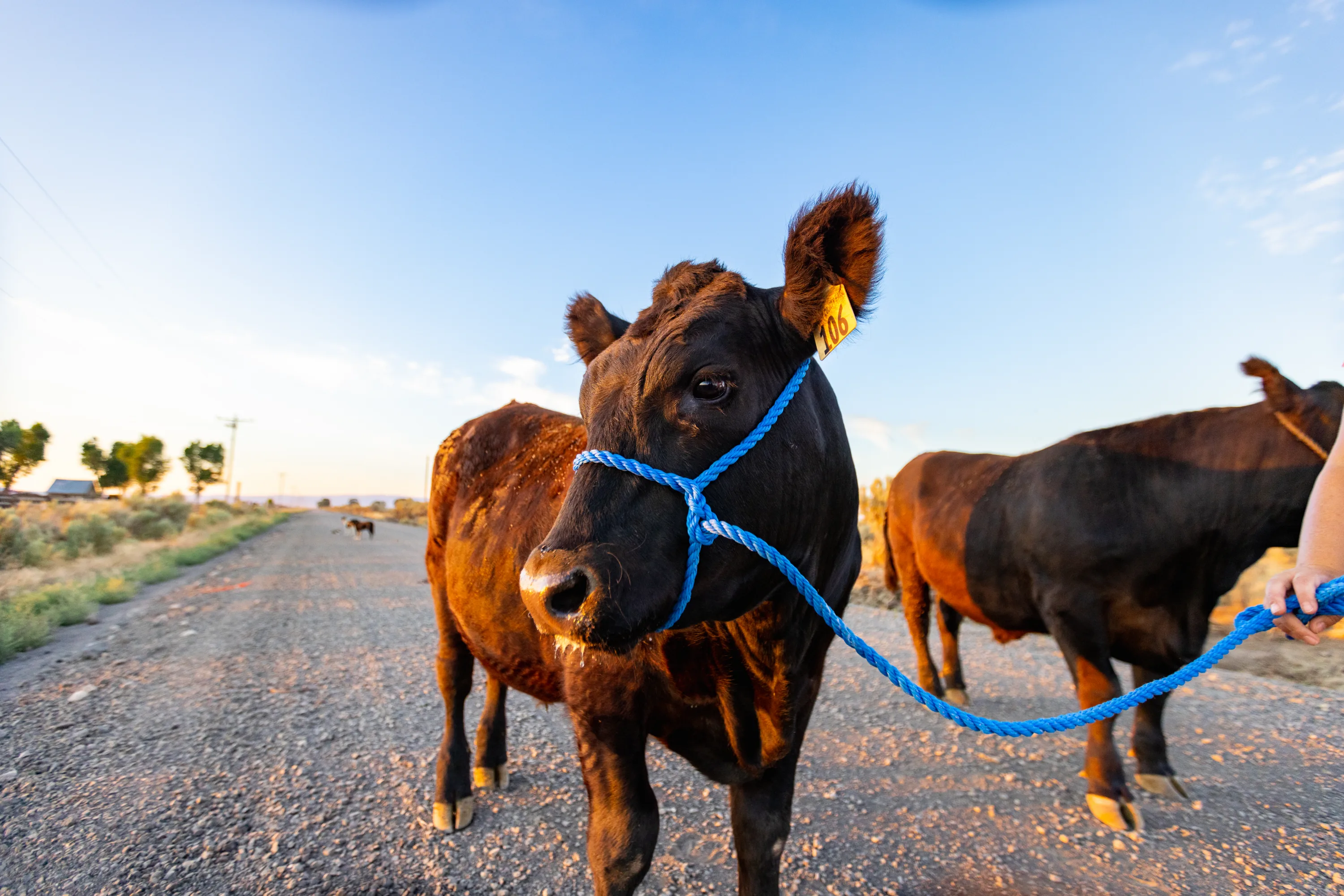
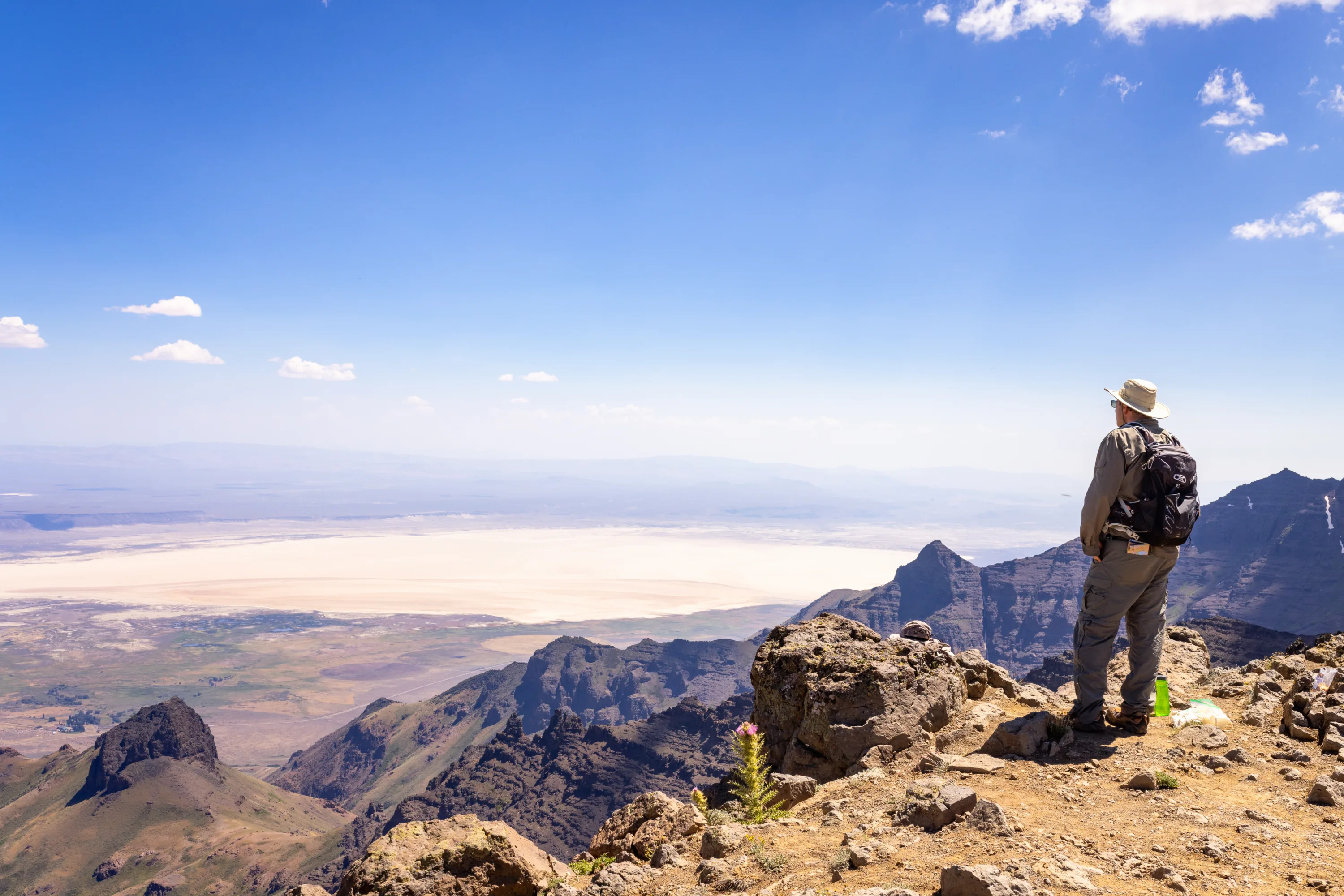
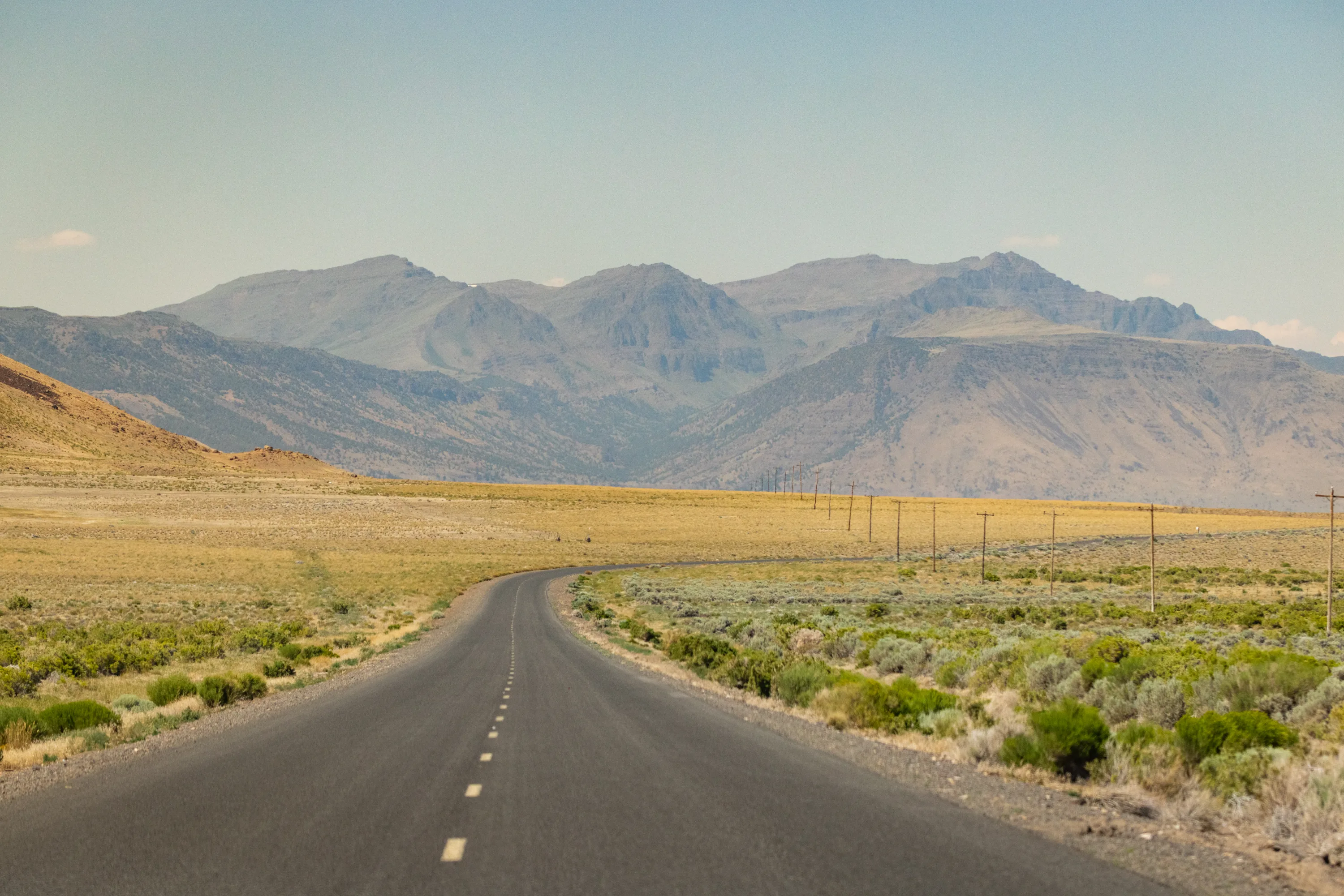
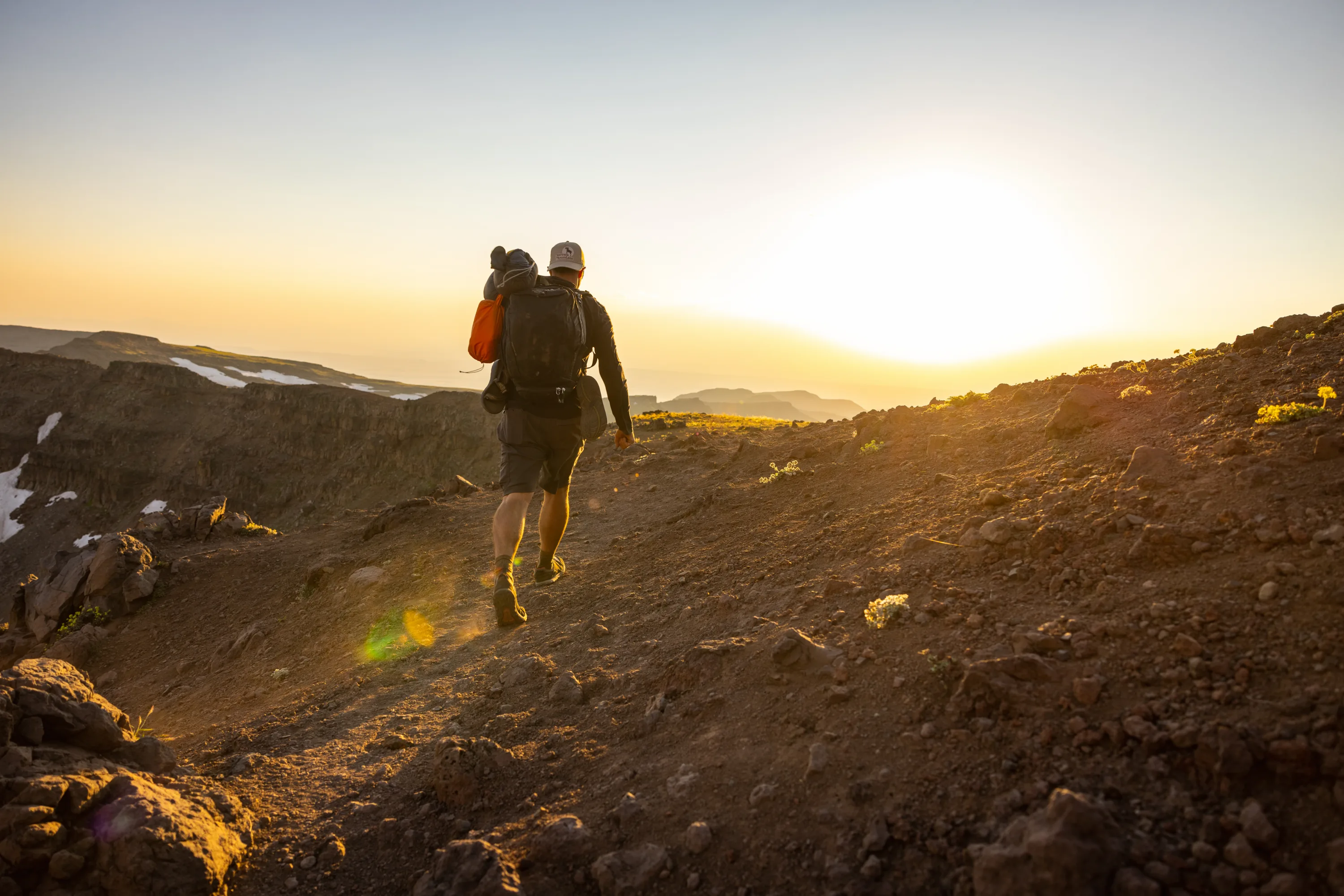
The work didn’t stop at brand launch, we’ve built a website at thisisharney.com. For almost a year now, we’ve kept This Is Harney’s social channels going — showing up consistently, reinforcing that this brand exists and has a voice, one post at a time. A brand doesn’t hold itself together after the plan gets delivered; somebody has to keep showing up for it.
Sisters: A Different Scale Entirely
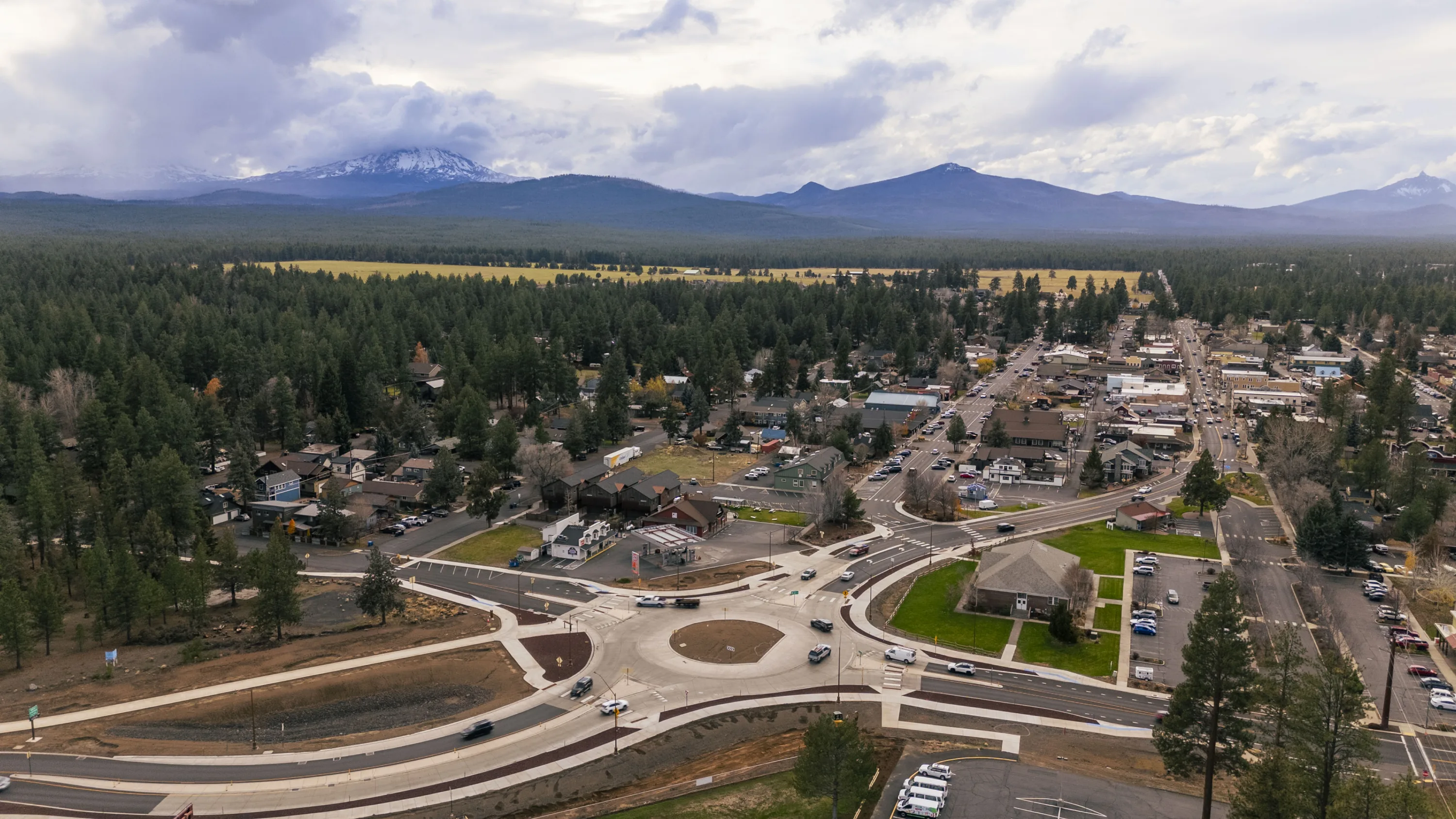
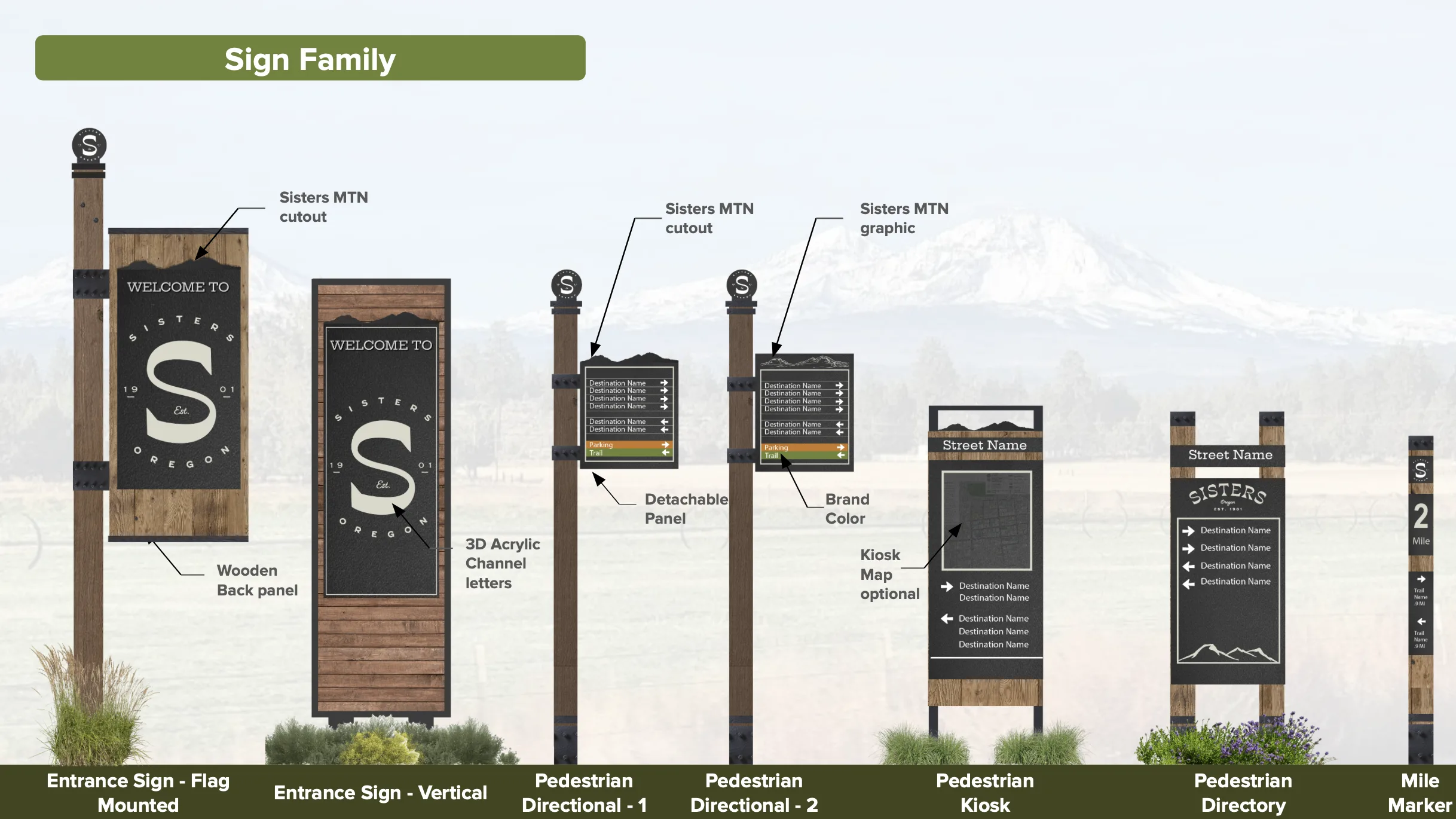
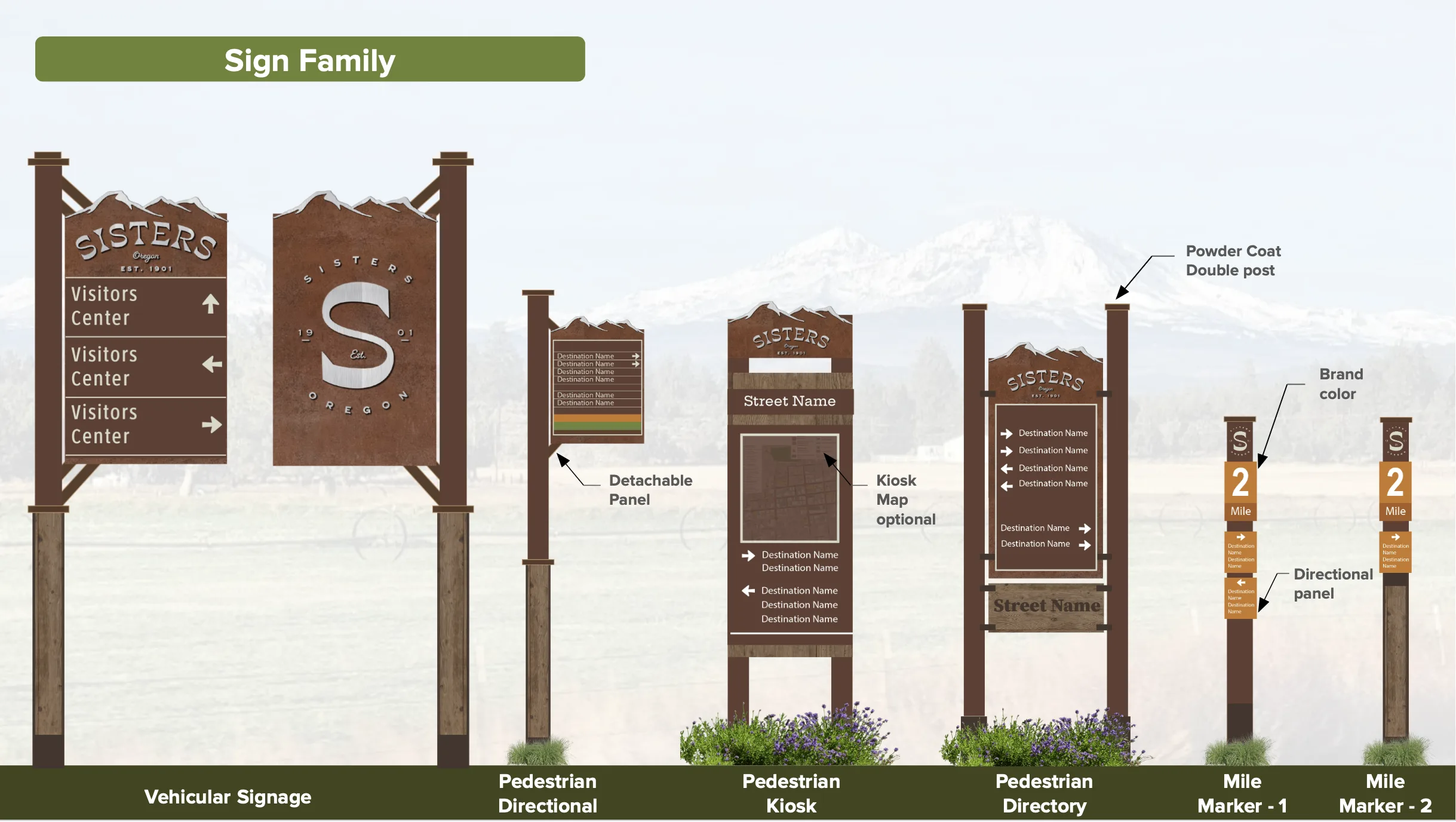
In Sisters, the work was wayfinding: designing new signage that introduces the town’s identity and placing it where it helps you uncover small adventures, like finding the labyrinth in Gateway Park, coming across the quilt show in the arts district, or knowing exactly where to slip into downtown without guessing your way through it. The goal was more than guiding folks to the nearest park or shop; it was to shape the feeling of arriving and moving through a place. The sign design says, “this isn’t just another stop on the way to Bend.” It’s a destination with its own story, and the planning reflects the unique rhythms of the people, bikes, horses, and cars that move through it.
Wayfinding gets treated like the simple stuff, but it isn’t. Done right, it is its own discipline and one that turns a community’s brand into something you can follow. It is the thing people ask us about most, whether that is at a conference or on our website. Everyone, it turns out, wants “one of those signs” in their town.
Eastern Oregon Visitors Association: Eleven Counties, One Identity
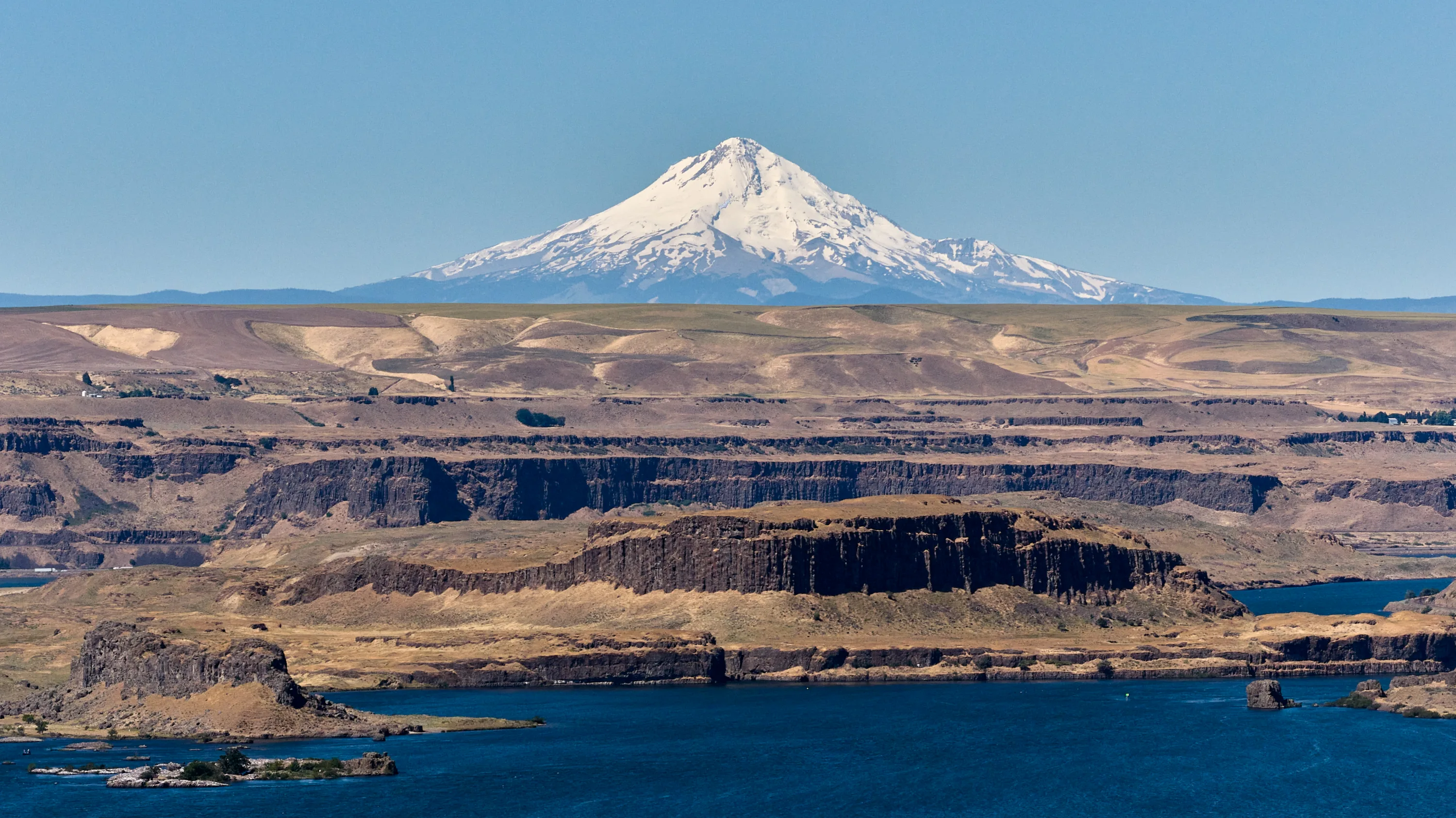
Now we’re taking on the broadest version yet: a regional brand for Eastern Oregon, working with the Eastern Oregon Visitors Association — eleven counties, two Tribal governments, and roughly 70% of the state’s land area. The hard part is holding eleven genuinely different counties together without flattening them into one brochure that could describe anywhere.
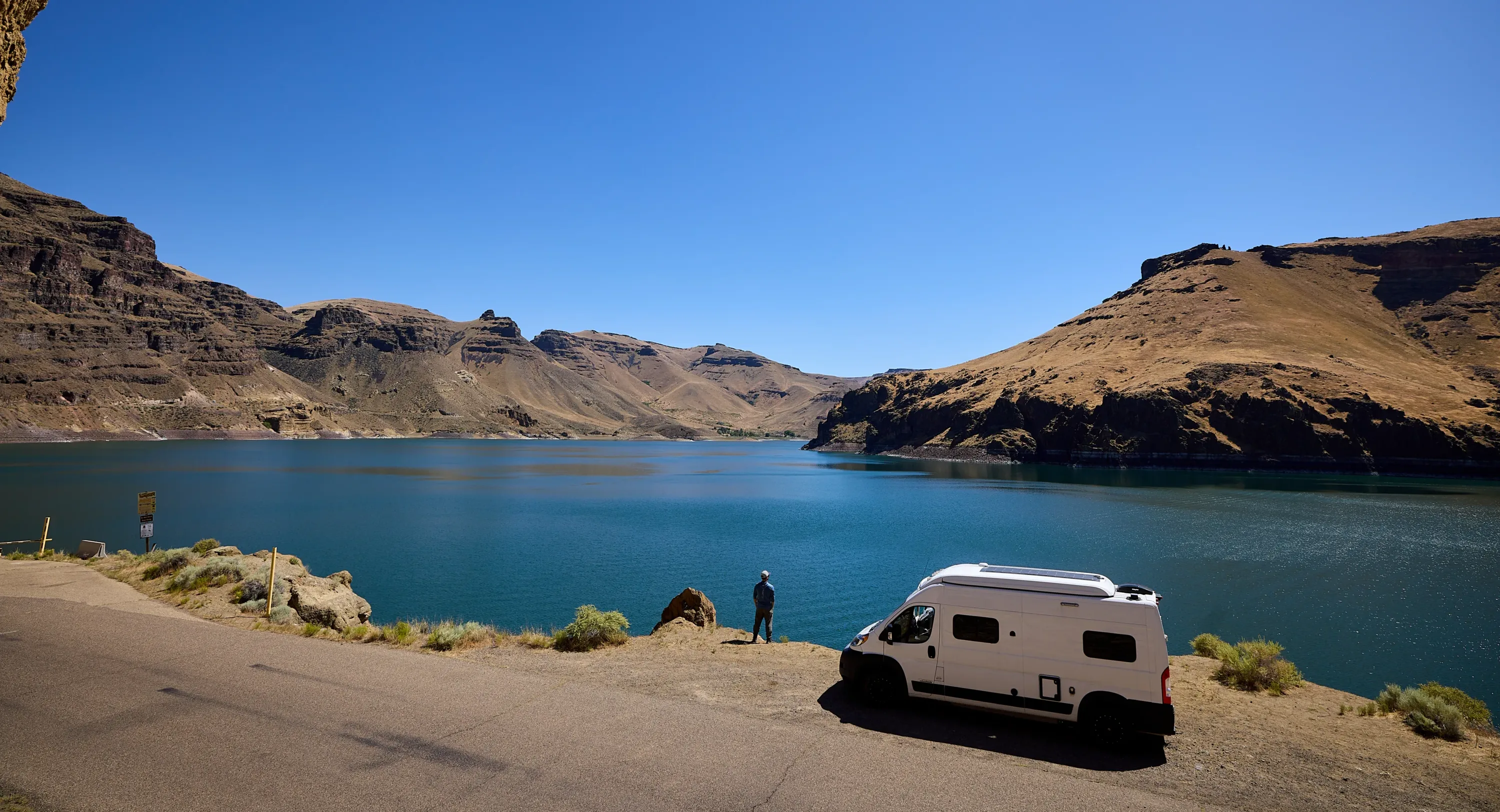
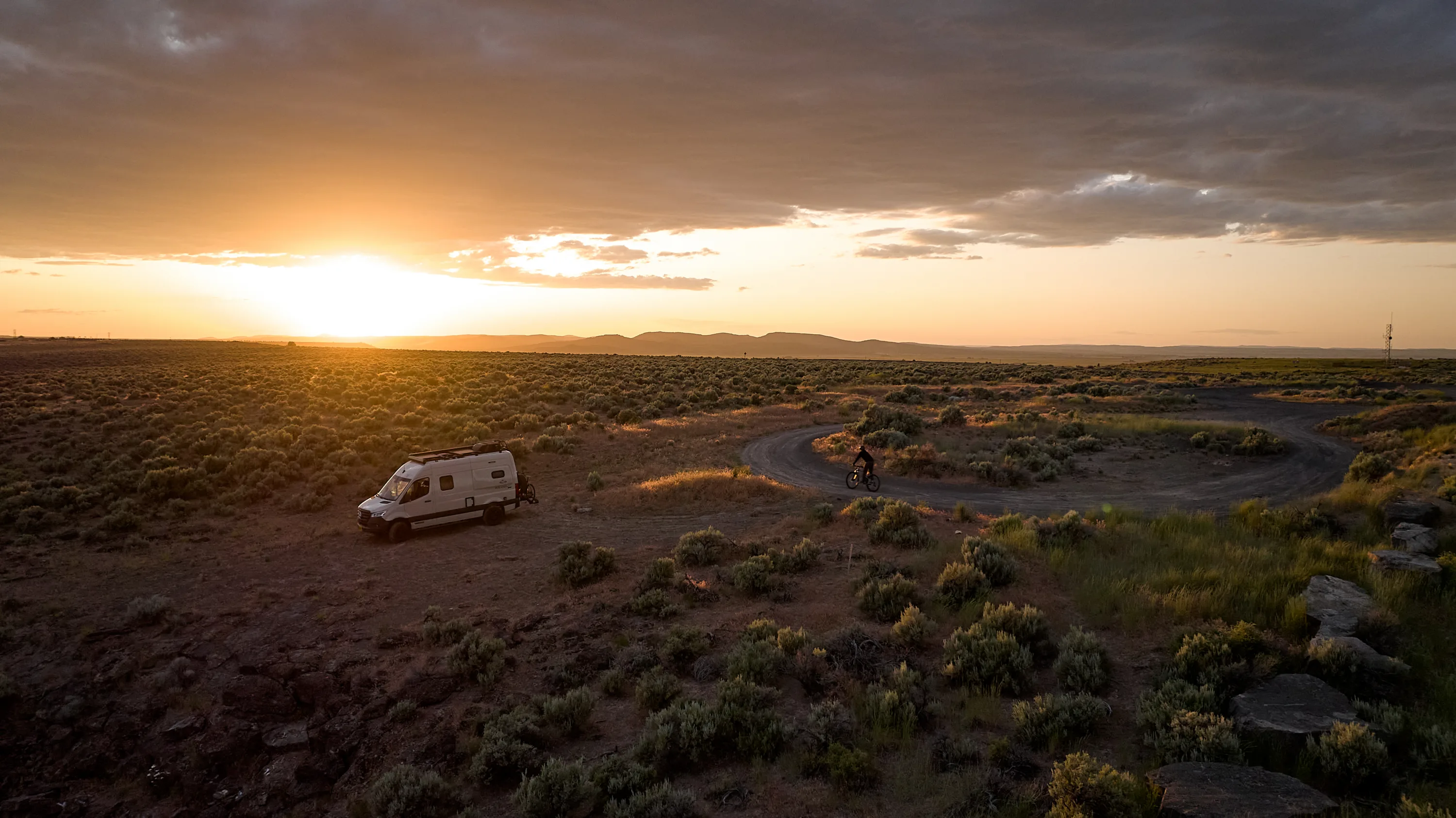
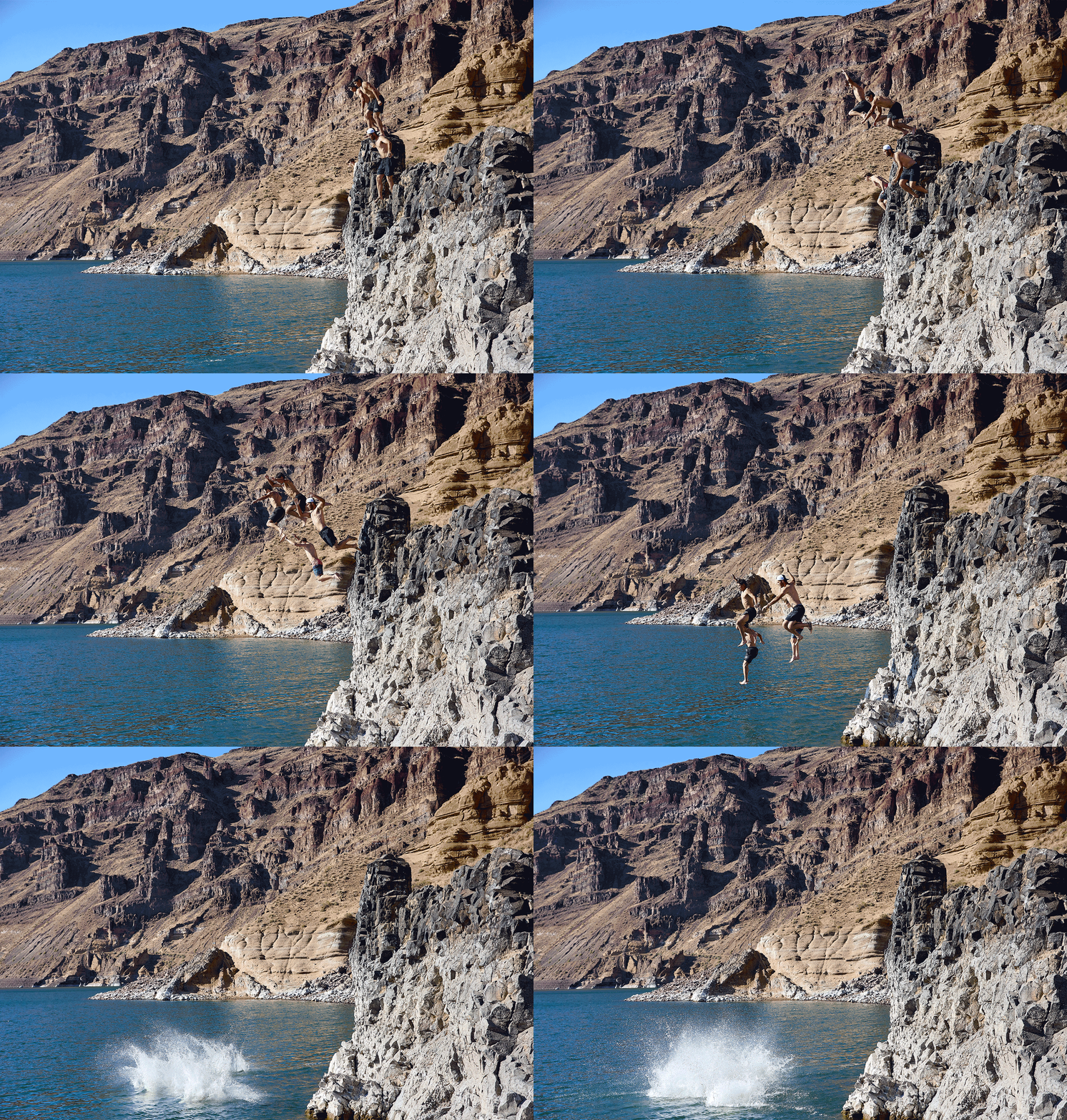
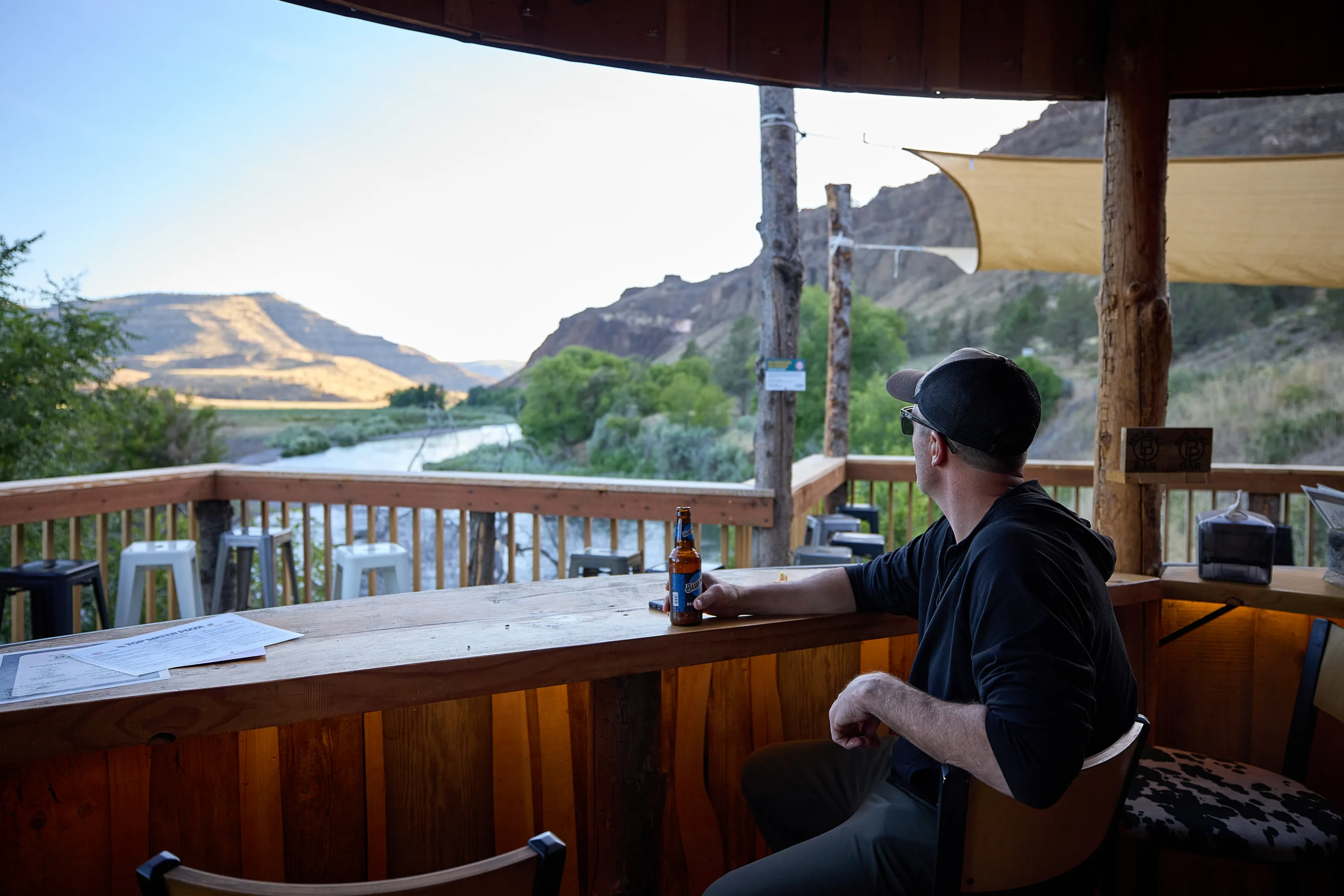
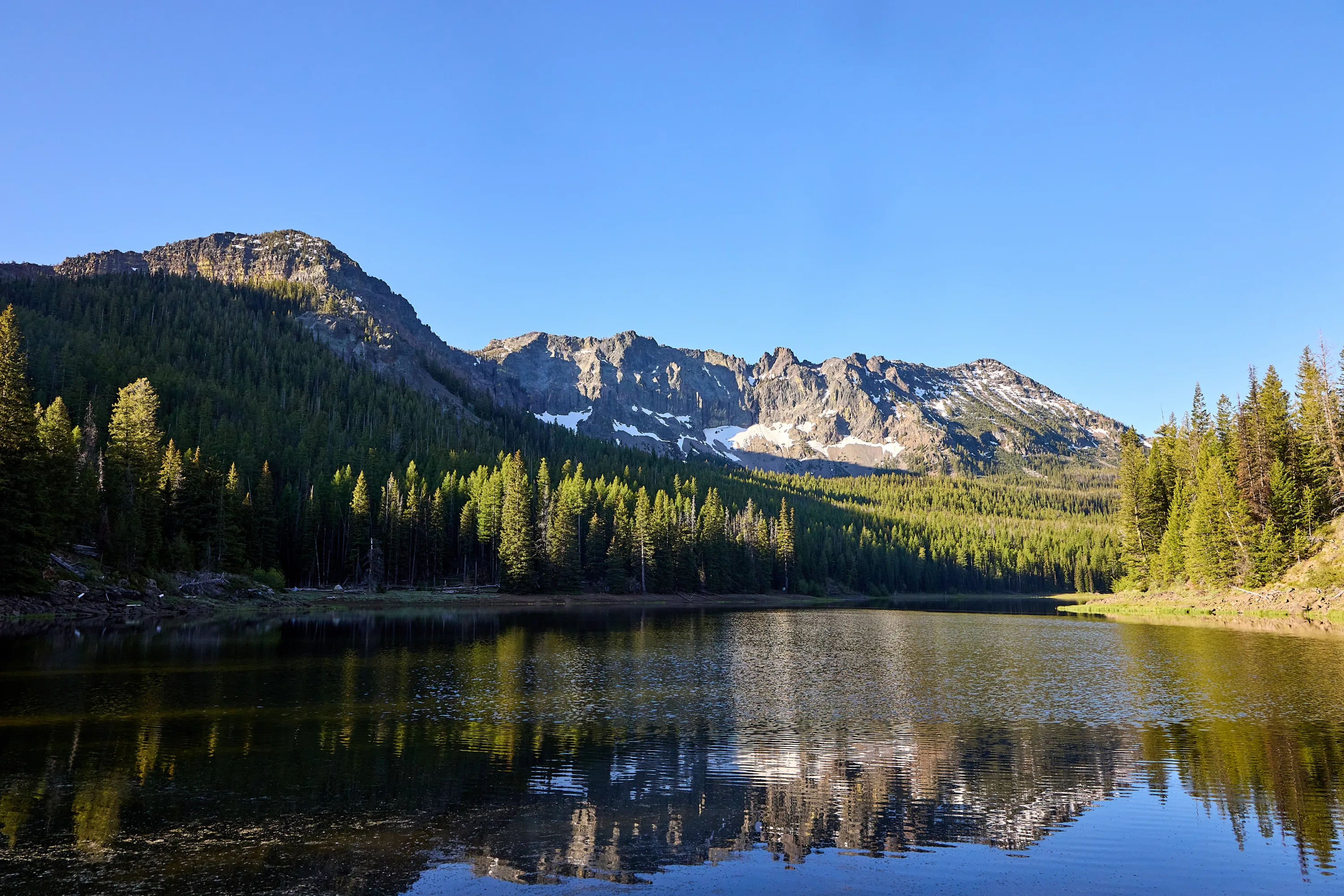
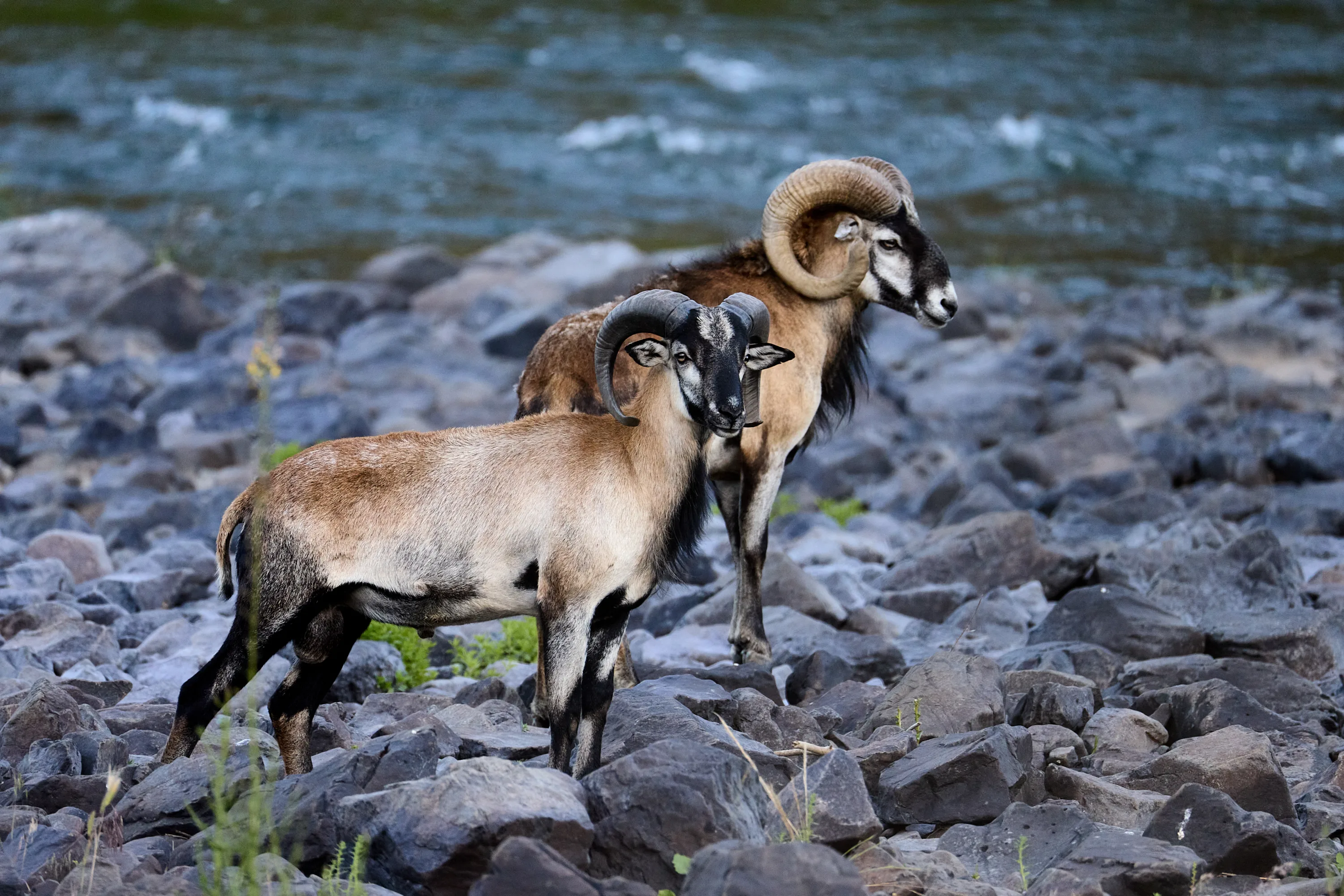
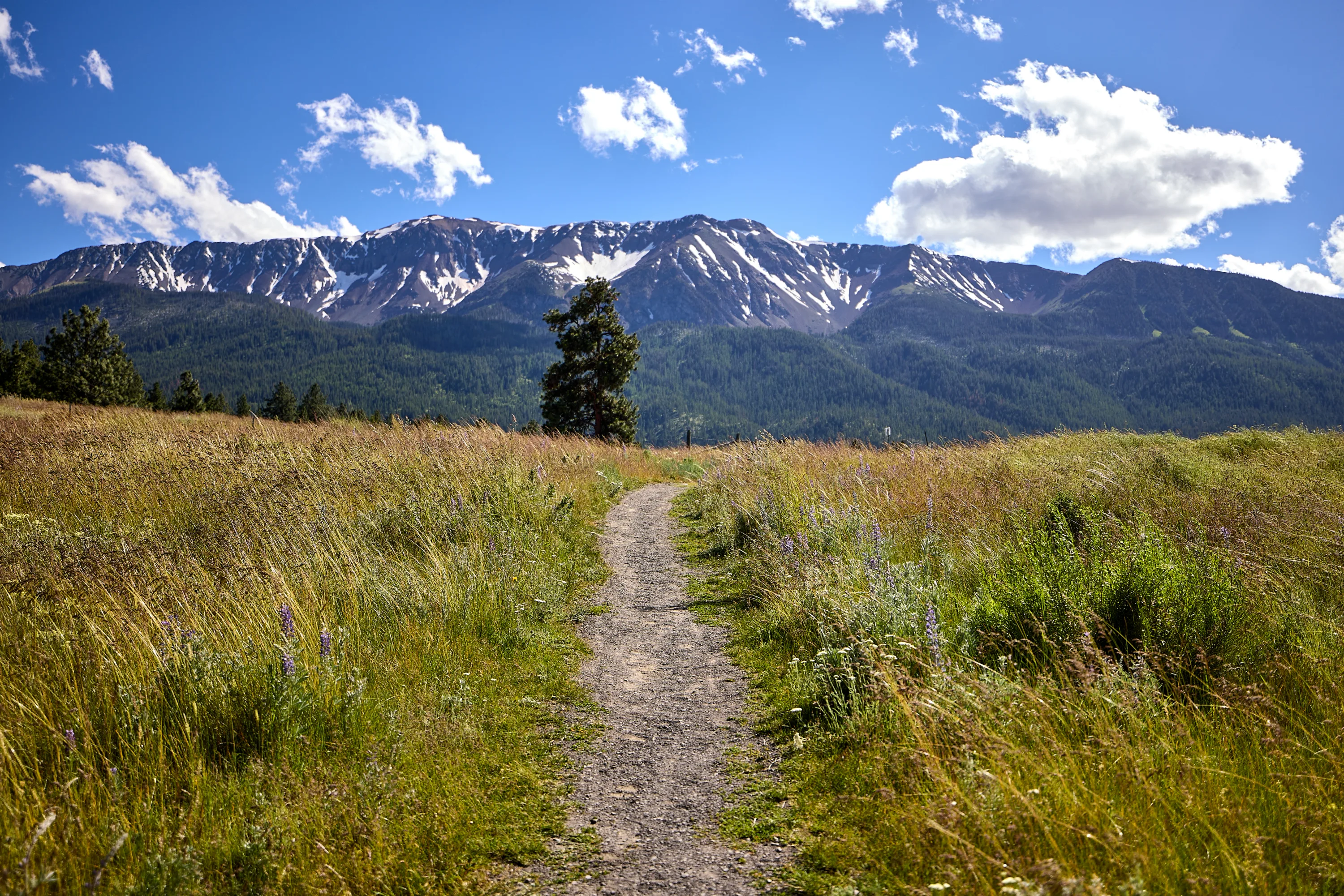
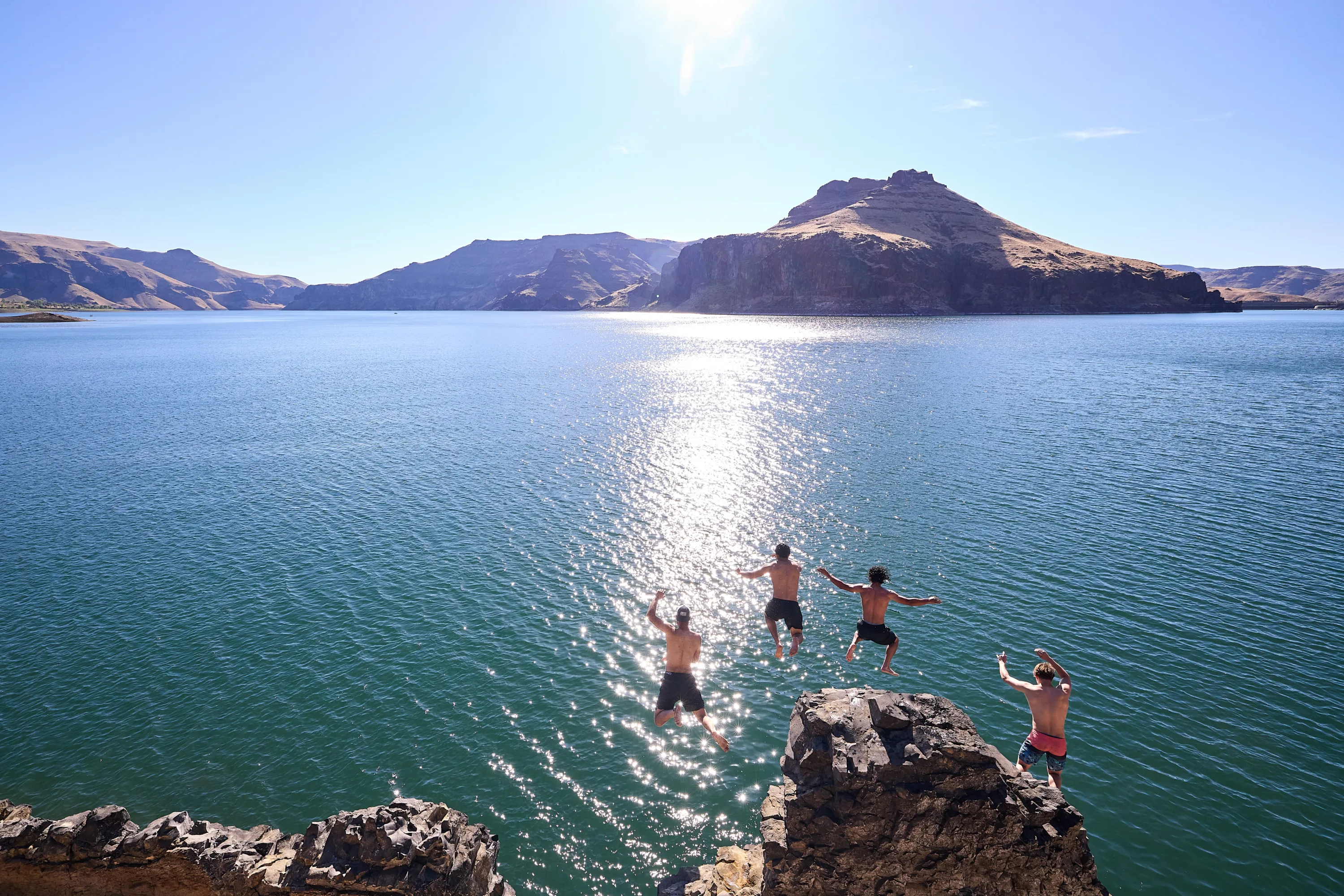
So we did what we always do, just at a bigger scale: a week of scouting across four subregions, Jon and Matt logging serious van miles crisscrossing the state, sitting down with locals, running focus groups, meeting with tourism partners, camera rolling most of the time. We came back with a library of photography and video, and a clearer sense of what actually ties this place together — and just as importantly, what shouldn’t get smoothed over in the process.
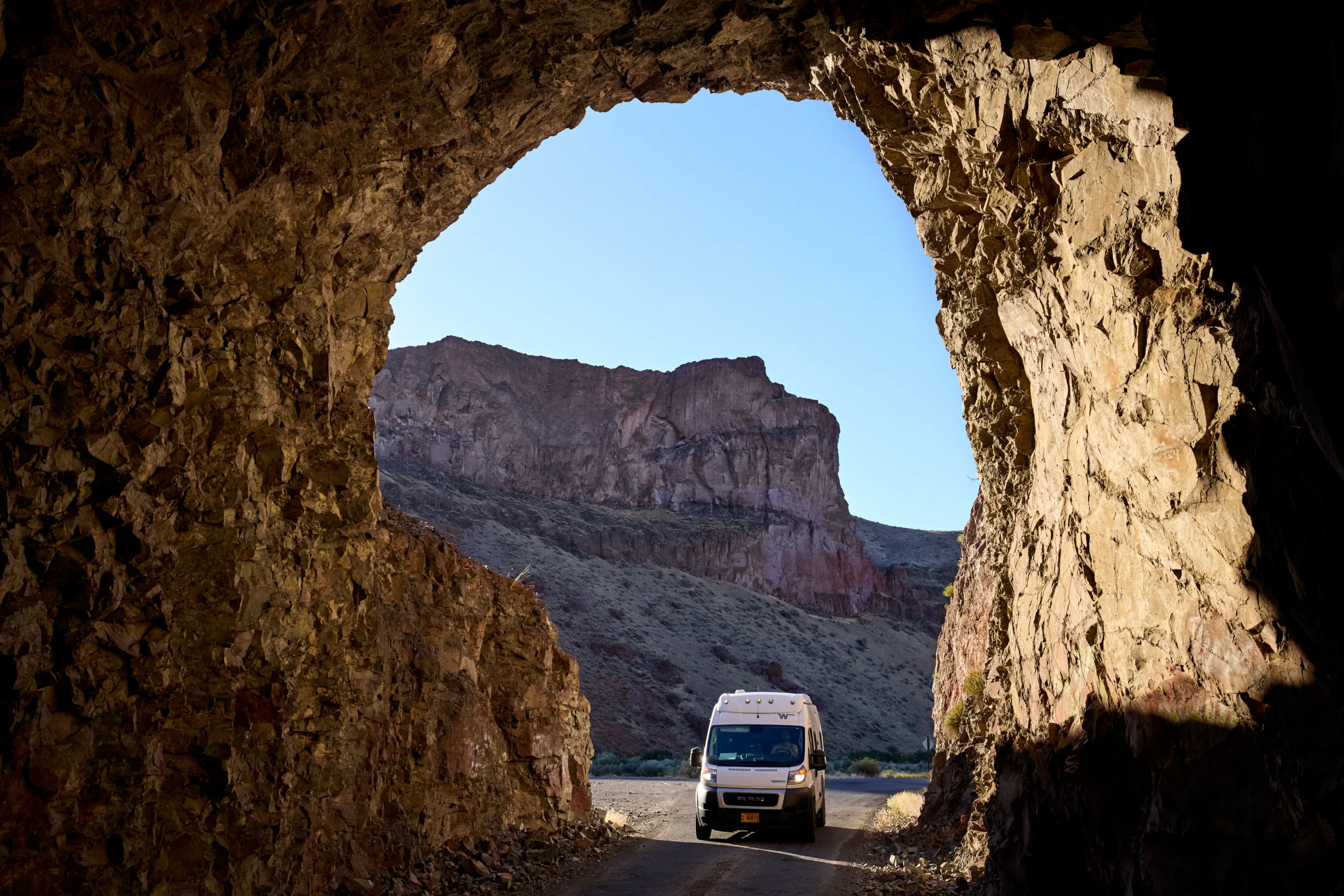
We’re still in the middle of turning all of that into a finished brand and marketing plan. When it’s done, EOVA will have something real to work with, a way to present Eastern Oregon as one connected place without pretending its eleven counties are interchangeable.
Same Standard, Different Scale
A county brand, a town’s signage, an eleven-county identity — the scale shifts every time, but the standard doesn’t, whether we’re flying out to Oregon or working three time zones away. Showing up when it matters is the job. Getting to do that in a place like Oregon? That’s the fun part.
If you’re curious about what this could look like for your own community, we’d like to hear from you.
Request a Proposal
Discover how we can
bring your vision to life.