


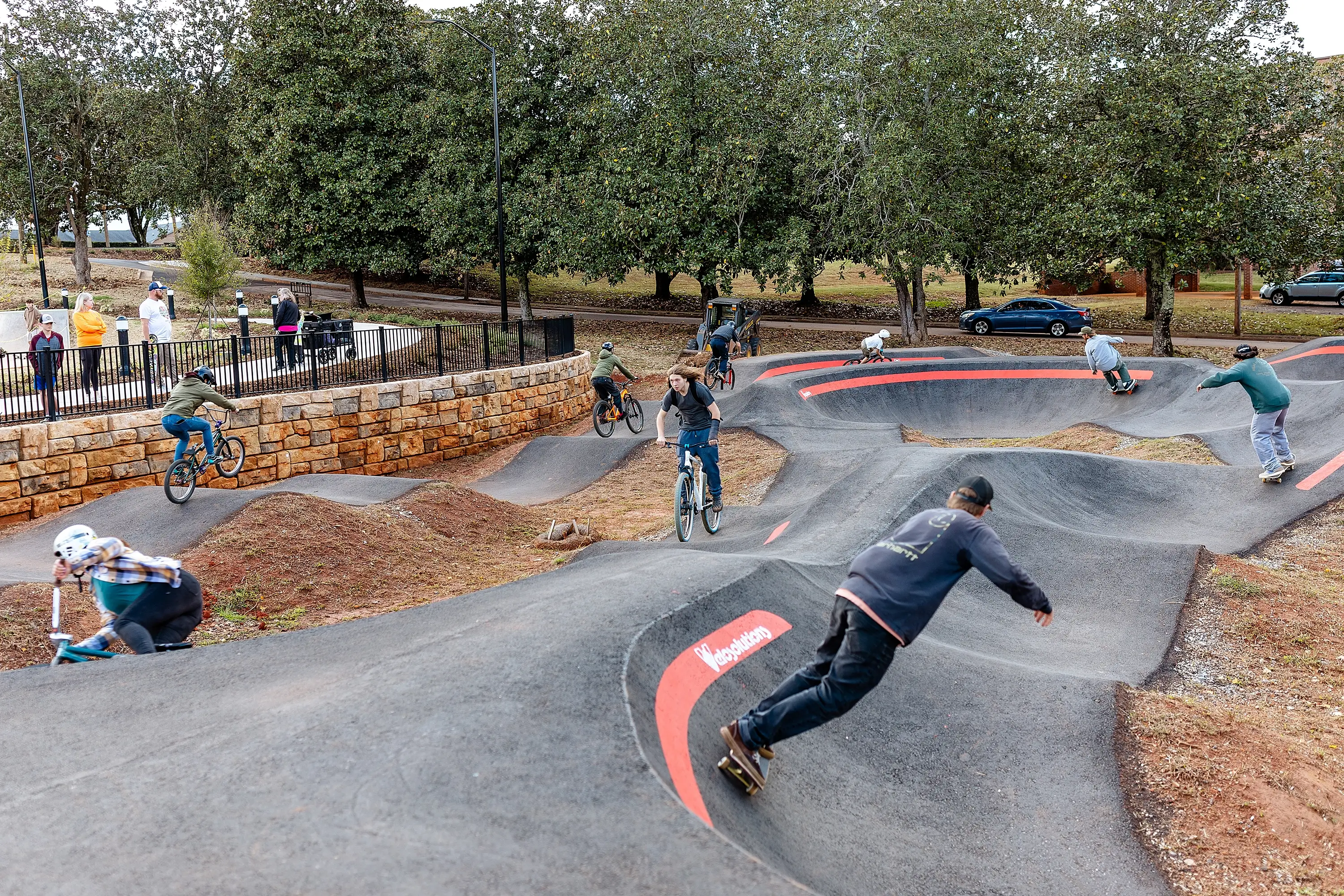
The perfect park for your community starts with thoughtful planning, local input, and a clear sense of purpose. From trails and recreation features to branding, accessibility, and long-term upkeep, every choice matters. If your city or town wants a park that gets used, reflects local identity, and supports future growth, these six essential tips can help guide the way.
In this article:
- Start with community input: Design a park your community will actually use by identifying local needs, priorities, and gaps first.
- Plan for function and identity: Create a park that serves multiple users while reflecting your community’s character, brand, and sense of place.
- Think long-term from day one: Prioritize access, maintenance, and future growth so your park supports lasting quality of life and economic development.
At Destination by Design, we partner with civic leaders across the U.S. to plan, build, and promote vibrant places. Our services include community branding, trail and park planning, wayfinding planning, signage design, and destination marketing- all aimed at boosting quality of life and economic vitality. Looking to move your community forward? View services and contact us today.
Start With the Community’s Real Needs
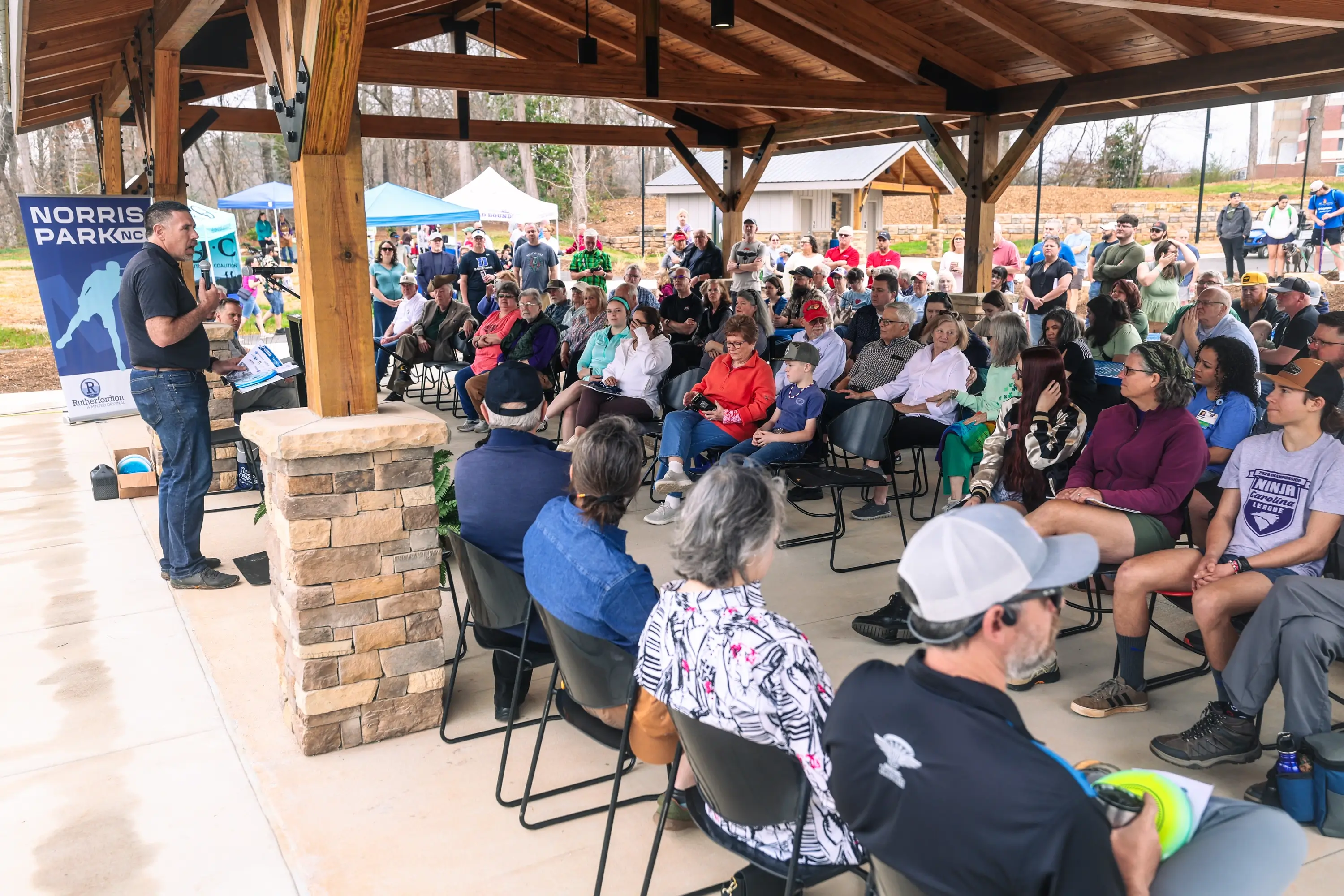
The best park design begins by listening. Before selecting amenities or sketching layouts, take time to understand how residents actually want to use the space. A neighborhood park may need shaded seating, playgrounds, and walking loops, while a regional destination park may benefit from event lawns, trail connections, signature features, and tourism-friendly amenities.
Community engagement helps civic leaders avoid costly assumptions. It also creates stronger local buy-in from the beginning. Residents often know what is missing, what feels underused, and what would make a park more valuable in daily life.
Ask Questions That Lead to Better Design
Think through questions like:
- What age groups will use the park most?
- What activities are currently underserved in the area?
- How can the park support both residents and visitors?
- What barriers keep people from using existing parks?
These answers help shape a park that fits the community instead of forcing the community to fit the park.
Design for More Than One Type of User
A strong park works for more than one audience at a time. Kids, teens, parents, older adults, walkers, cyclists, and event-goers all move through public space differently. Designing for a mix of users makes the park more active throughout the day and more valuable across seasons.
That might mean combining flexible open lawns with play areas, quiet seating zones, trail access, picnic areas, public art, restrooms, and shaded gathering spaces. It may also mean thinking beyond recreation alone. Parks can support wellness, community events, tourism, and even downtown activity when they are connected to surrounding destinations.
When it comes to successful park design, the most effective spaces balance function, comfort, and identity.
Create Strong Connections and Easy Navigation
A beautiful park will still struggle if people have trouble reaching it or moving through it. Access and circulation should be a top priority from the start. Visitors need to know where to park, where to enter, where to gather, and how to find key features once they arrive.
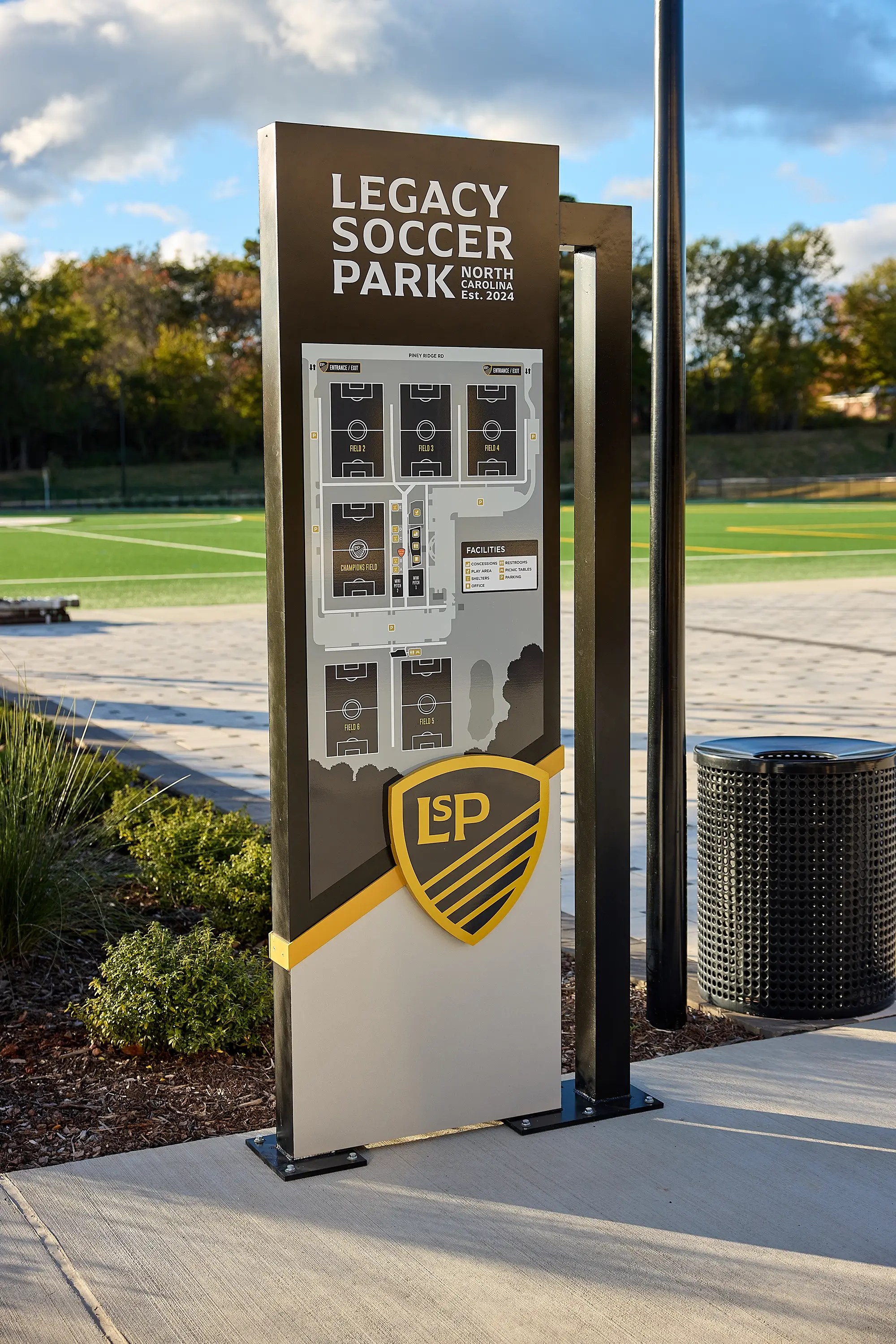
This is where signage and wayfinding make a major difference. Clear directional signs, entry monuments, trail markers, and maps can improve the visitor experience while reinforcing a community’s brand. Good navigation also helps parks feel safer and more welcoming.
Park design should consider:
- Pedestrian access from nearby neighborhoods
- Trail links to schools, downtowns, or greenways
- Parking flow and drop-off zones
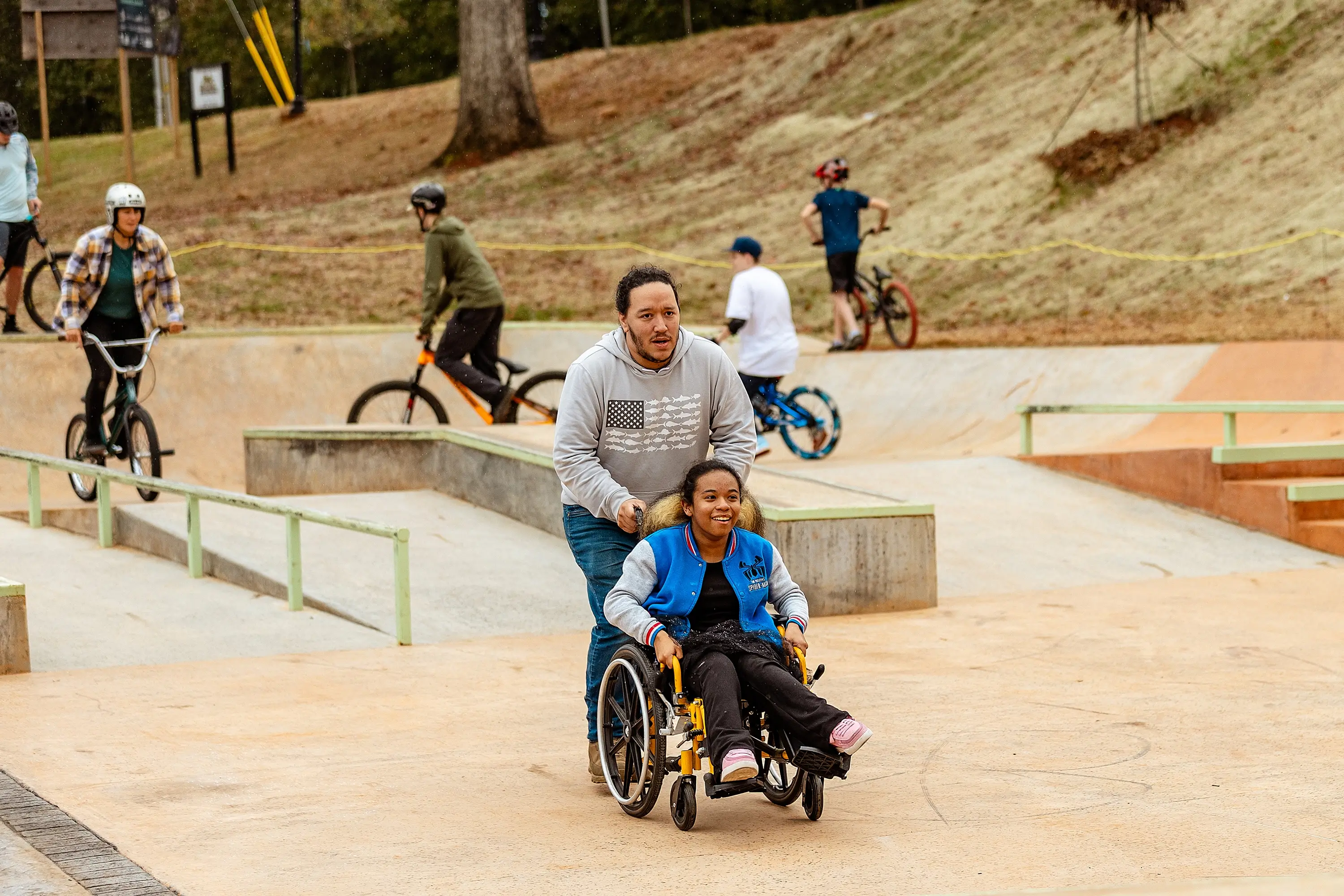
- ADA-accessible routes and amenities
- Wayfinding for both first-time visitors and regular users
Easy navigation invites people to stay longer and use more of the park.
Build a Park That Reflects Local Identity
The perfect park should feel like it belongs to your community and nowhere else. That does not mean every feature has to be themed, but it does mean the design should reflect local character. Materials, colors, signage, structures, art, and even programming can all support a stronger sense of place.
A park with local identity becomes more memorable. It gives residents a stronger sense of pride and gives visitors a clearer impression of what makes the community special. This can be especially valuable for towns investing in tourism development, destination marketing, or broader community branding efforts.
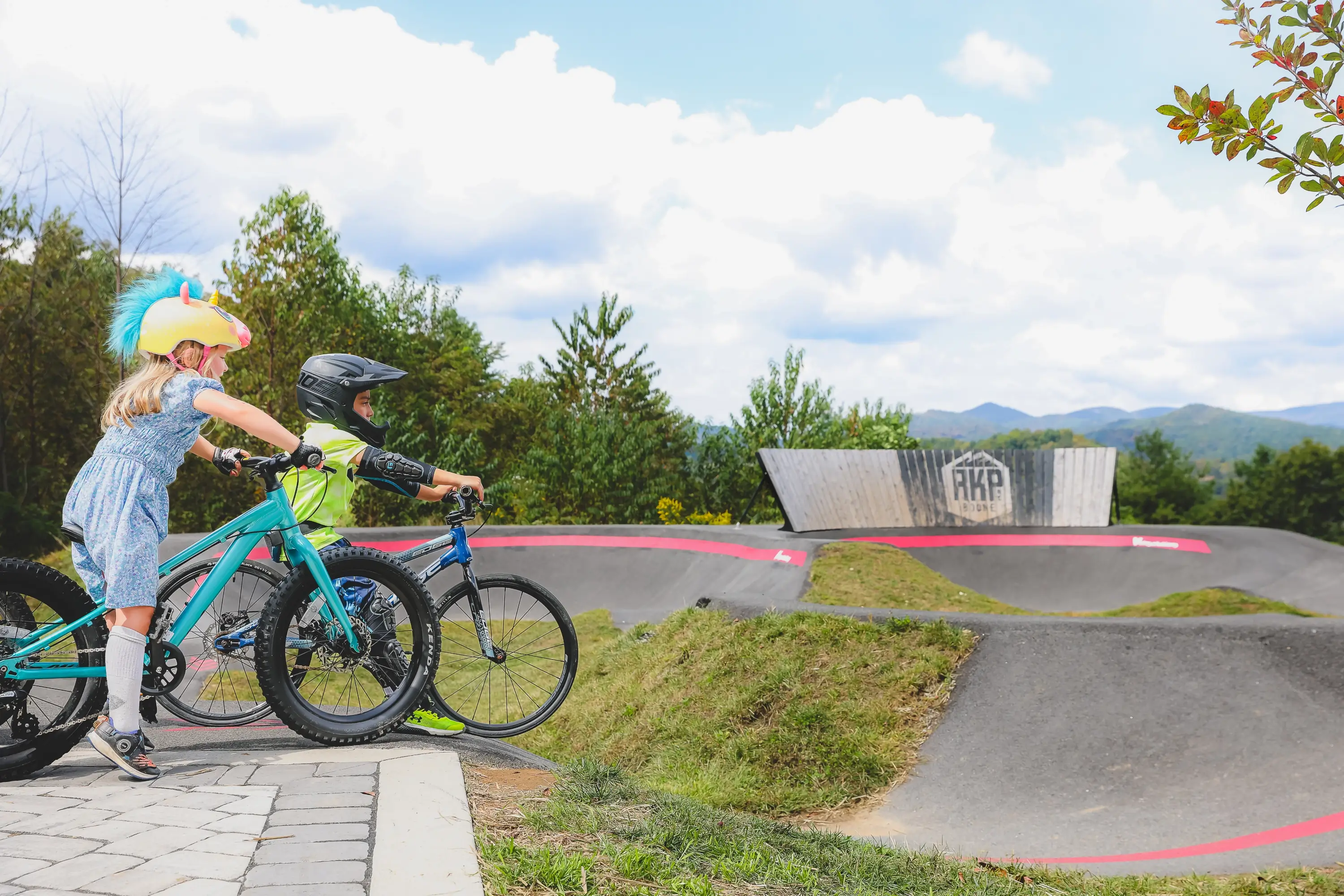
Local identity might show up through:
- Native planting and regional landscape character
- Architectural details tied to local history
- Public art inspired by the area
- Branded signage and visual elements
- Spaces designed around local traditions or events
The goal is not just to make the park attractive. The goal is to make it meaningful.
Think About Maintenance From Day One
It is easy to get excited about splash pads, custom structures, or large-scale amenities. It is just as important to think about what your staff and budget can realistically maintain. A park should be designed for long-term success, not just a strong ribbon cutting.
Durable materials, smart layouts, manageable landscaping, and clear maintenance access all play a major role in how the park performs over time. If upkeep becomes too difficult or too expensive, even a well-designed park can quickly lose its appeal.
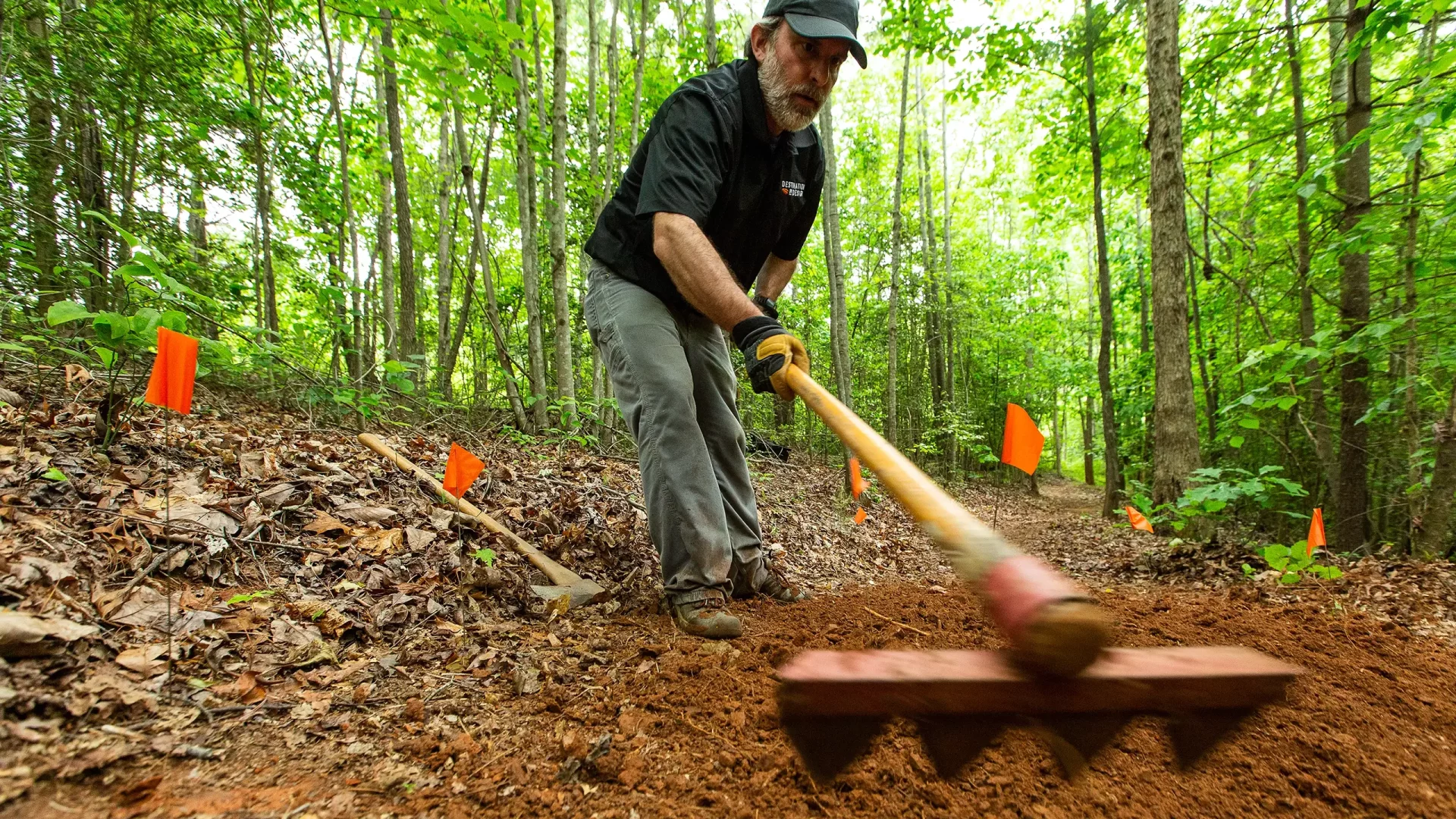
Civic leaders should ask:
- What features offer the best long-term value?
- What level of maintenance will each amenity require?
- How will the park look and function five or ten years from now?
- Can the design be phased if needed?
A thoughtful approach to maintenance protects the investment and helps the park remain a point of pride for years to come.
Why the Right Park Design Partner Matters
Designing the perfect park takes more than good ideas. It takes a clear process, public engagement, thoughtful design, and a strong understanding of how public spaces support community growth. Destination By Design partners with civic leaders across the country to help shape destination-quality parks, trails, and recreation areas that reflect local character and serve real public needs.
From early planning and community input to branding, signage, and built design solutions, Destination by Design can help your park become more than a project on paper. It can become a place people use, remember, and value.
A well-designed park can strengthen quality of life, support visitation, and create lasting momentum for your community. That is what makes the investment worth getting right.

Request a Proposal
Discover how we can
bring your vision to life.