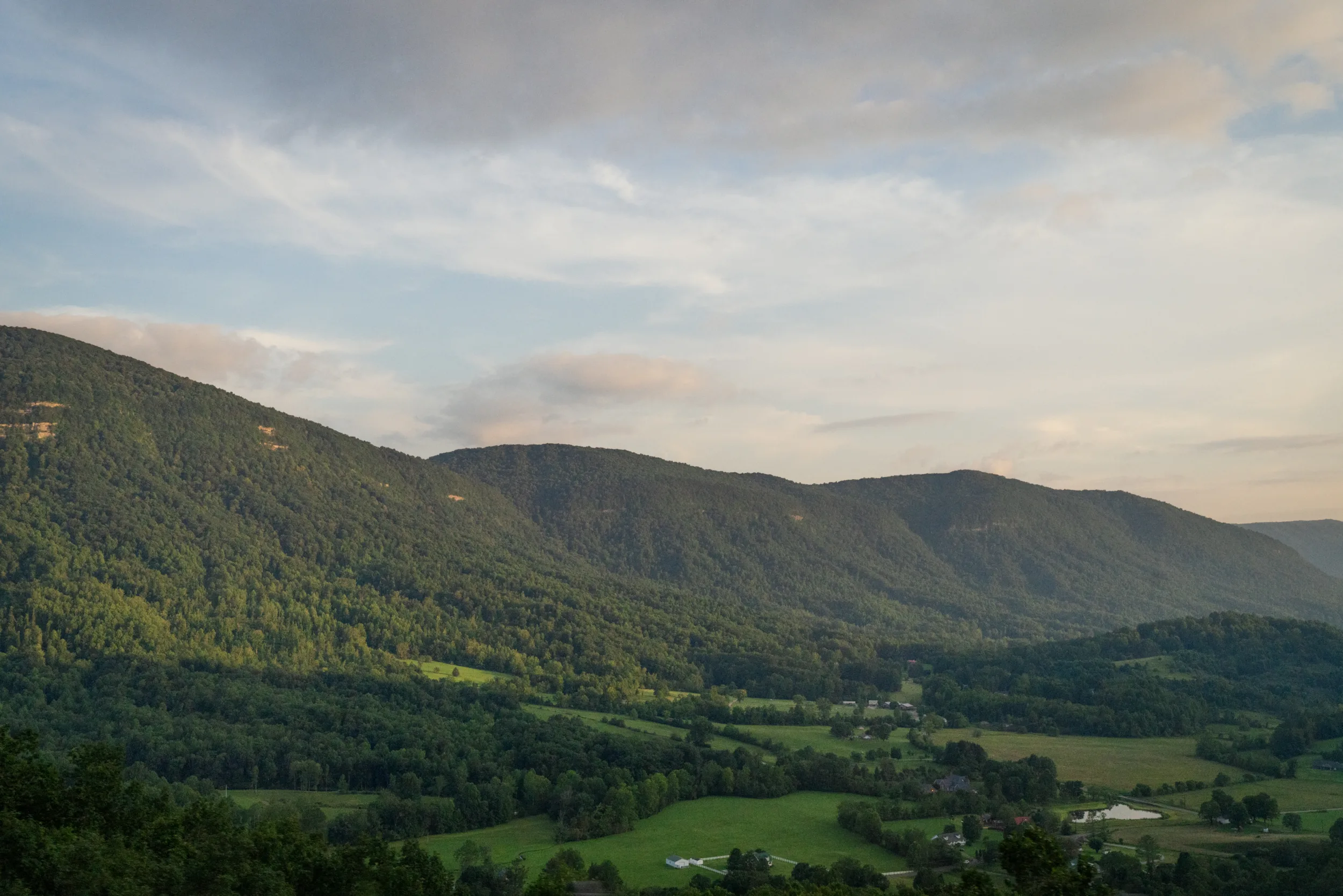
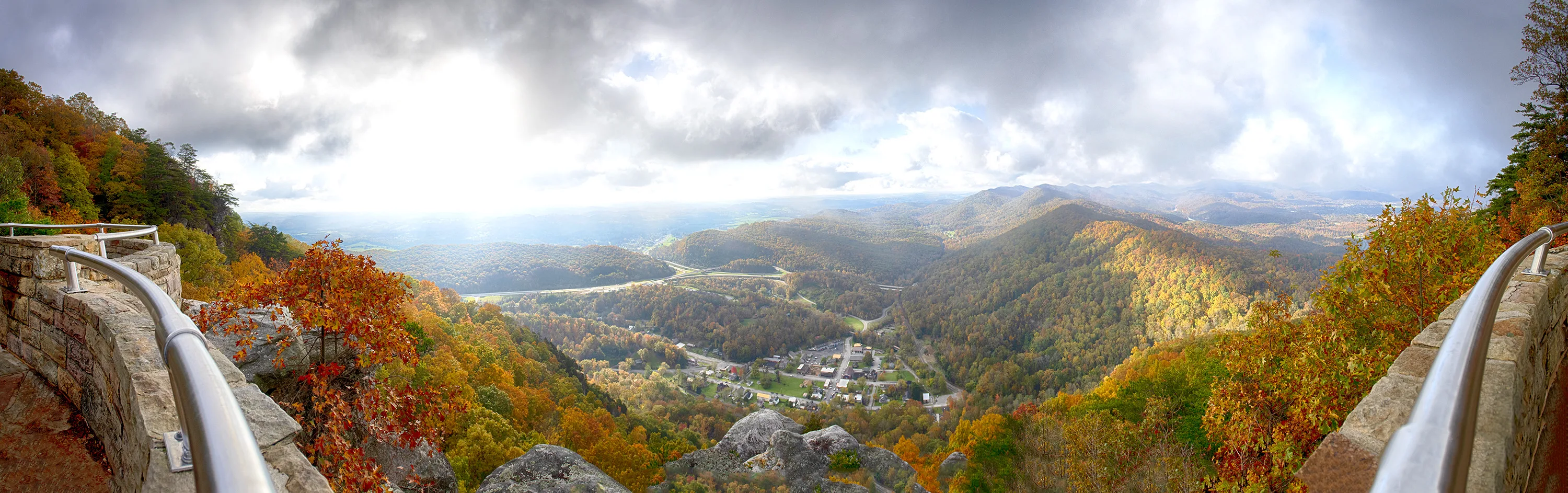
Mountain ridgelines, river valleys, and small towns tucked into hollows most people will never see. Southwest Virginia stretches across more land than eight U.S. states hold entirely. Communities across the region have long worked to strengthen their economies and build on the assets that make them unique. Now, a new regional collaboration is taking that work to the next level.
Nineteen counties, four independent cities, and 53 towns are coming together through a collaborative planning process to ask a bigger question: What should the future of Southwest Virginia look like, and how can the region shape it together?
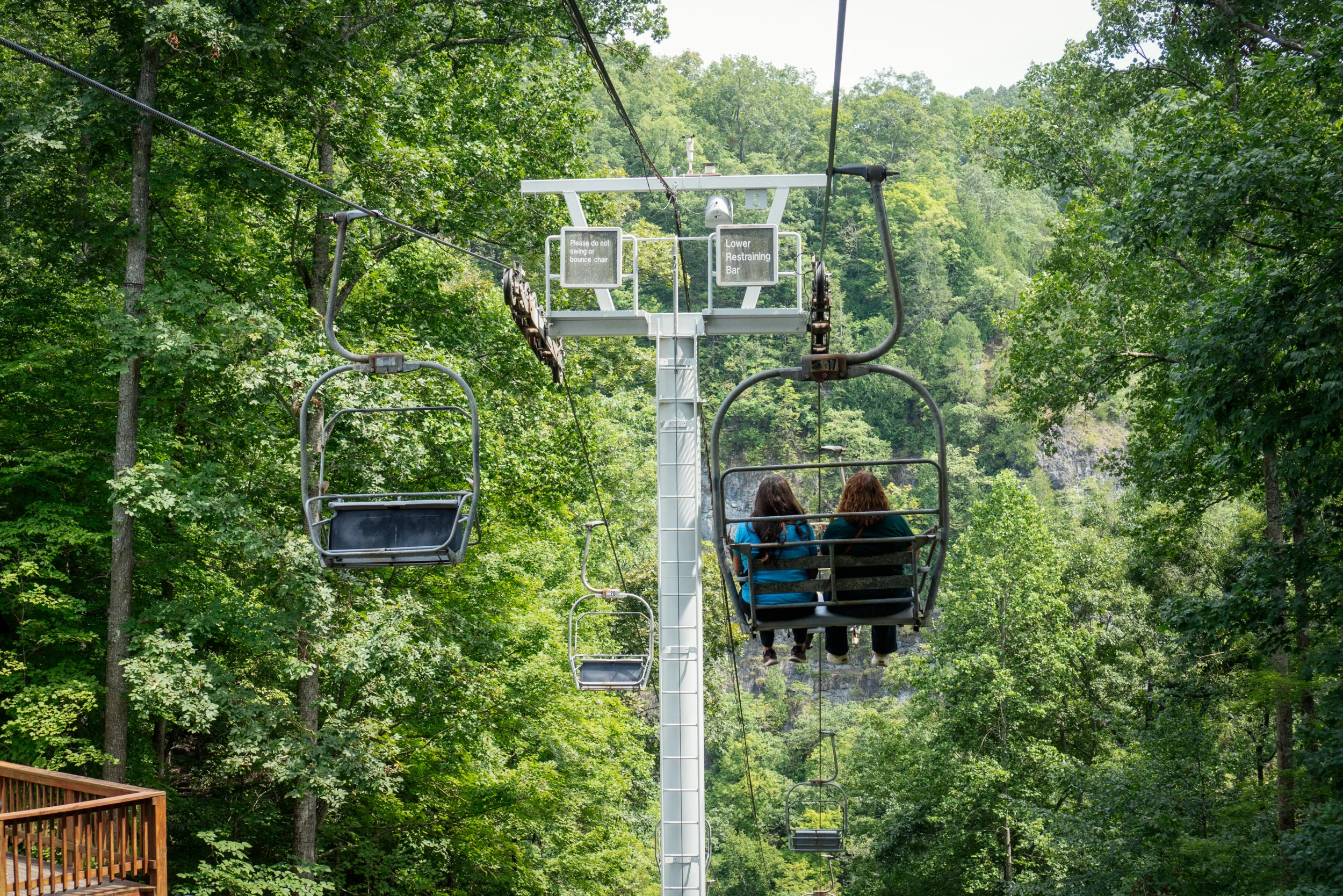
It’s called Destination Southwest Virginia, a 10-year strategic plan led by Friends of Southwest Virginia, built on 23 focus groups, 21 held in person across the region and 2 held virtually for artists and musicians, along with a public survey that’s already collected over 1,400 responses.
“This is an exciting moment for Southwest Virginia. Destination Southwest Virginia, a signature project of Friends of Southwest Virginia, is leading a coordinated, region-wide approach to destination development, something our region has not undertaken at this scale in nearly two decades. Through this work, we will gain a deeper understanding of the assets that shape our communities and the role they play in driving economic growth.”
— Kim Davis, Executive Director, Friends of Southwest Virginia
Underneath all of it is one phrase doing a lot of work: creative economy.
What Is a Creative Economy, Anyway?
It’s a term that gets used a lot and explained rarely. Strip away the jargon and it just means this: treating everything that makes a place worth building a life around — music, craft, food, the outdoors, the small businesses that a strong sense of place pulls in — as economic drivers, not amenities layered on once the economy is secure.
For a long time, Southwest Virginia’s economy was coal, tobacco, and manufacturing. When those industries declined, the region had to figure out what came next.
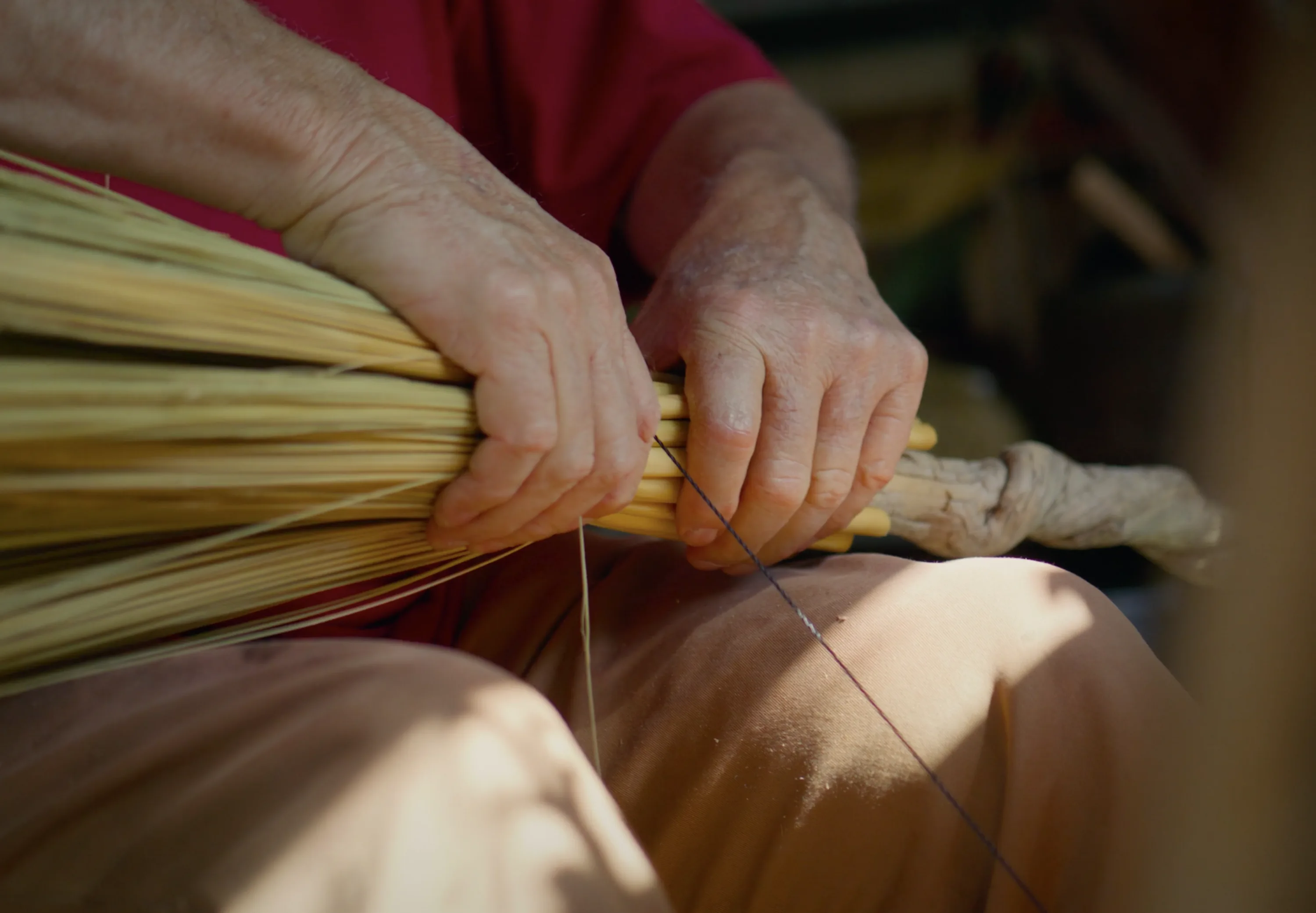
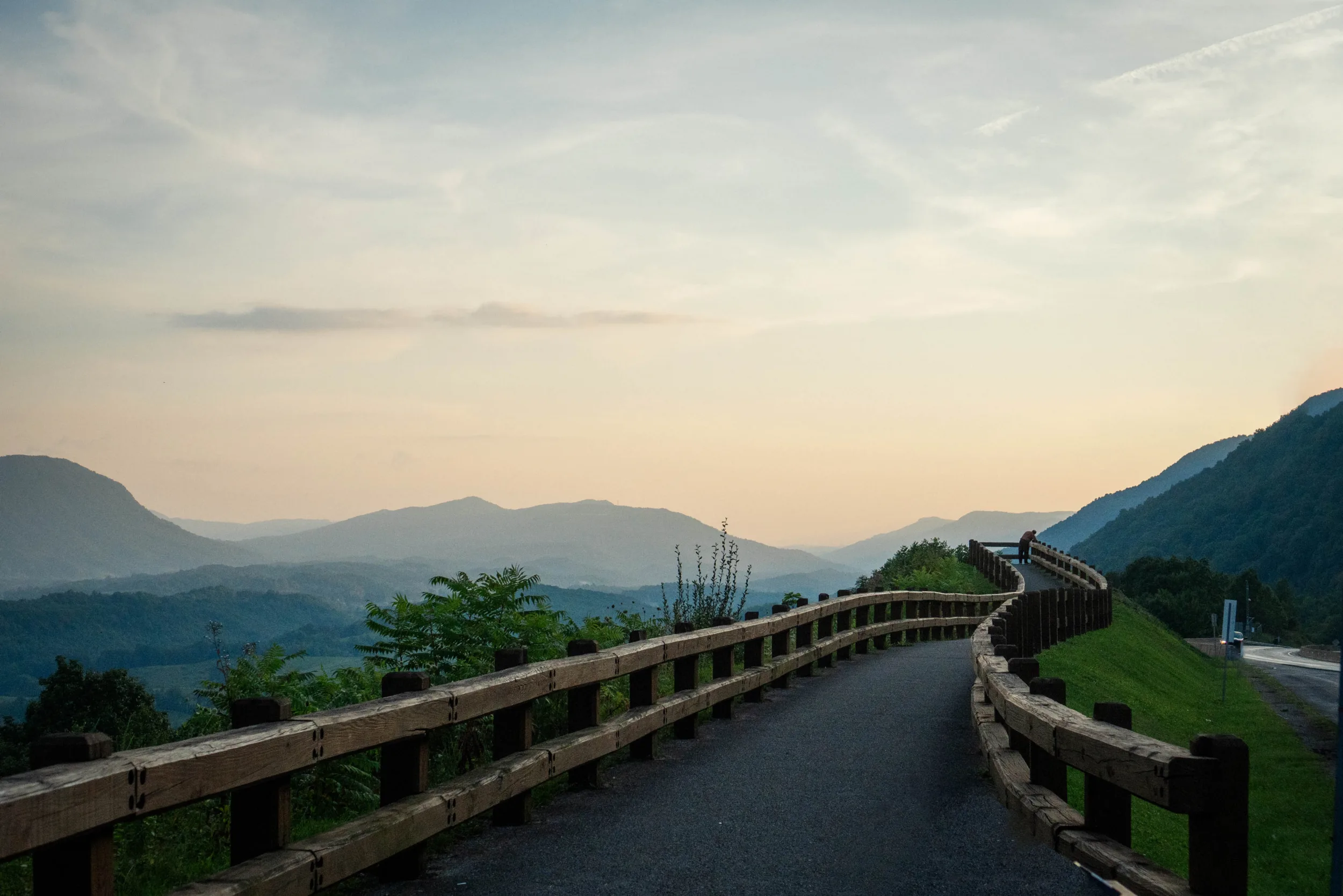
The answer was already there — in fiddle tunes passed hand to hand along the Crooked Road, in the sound of a kiln firing at 2am somewhere off a mountain road, in a laptop open on a porch because someone realized they could build a business from anywhere and picked here, in a 54,000-square-foot building that’s part visitor center, part marketplace, part concert hall, built to hold all of it at once.
This landscape doesn’t just happen to sit near creative people. It makes them. It’s a part of them. You can’t separate the music from the mountains that taught someone to be still long enough to write it. You can’t separate the pottery from the clay, the woodworking from the forests, the small business from the town it bet on, the whole sprawling creative pulse of this place from the wild, undeveloped miles that give people room enough to notice something worth making.
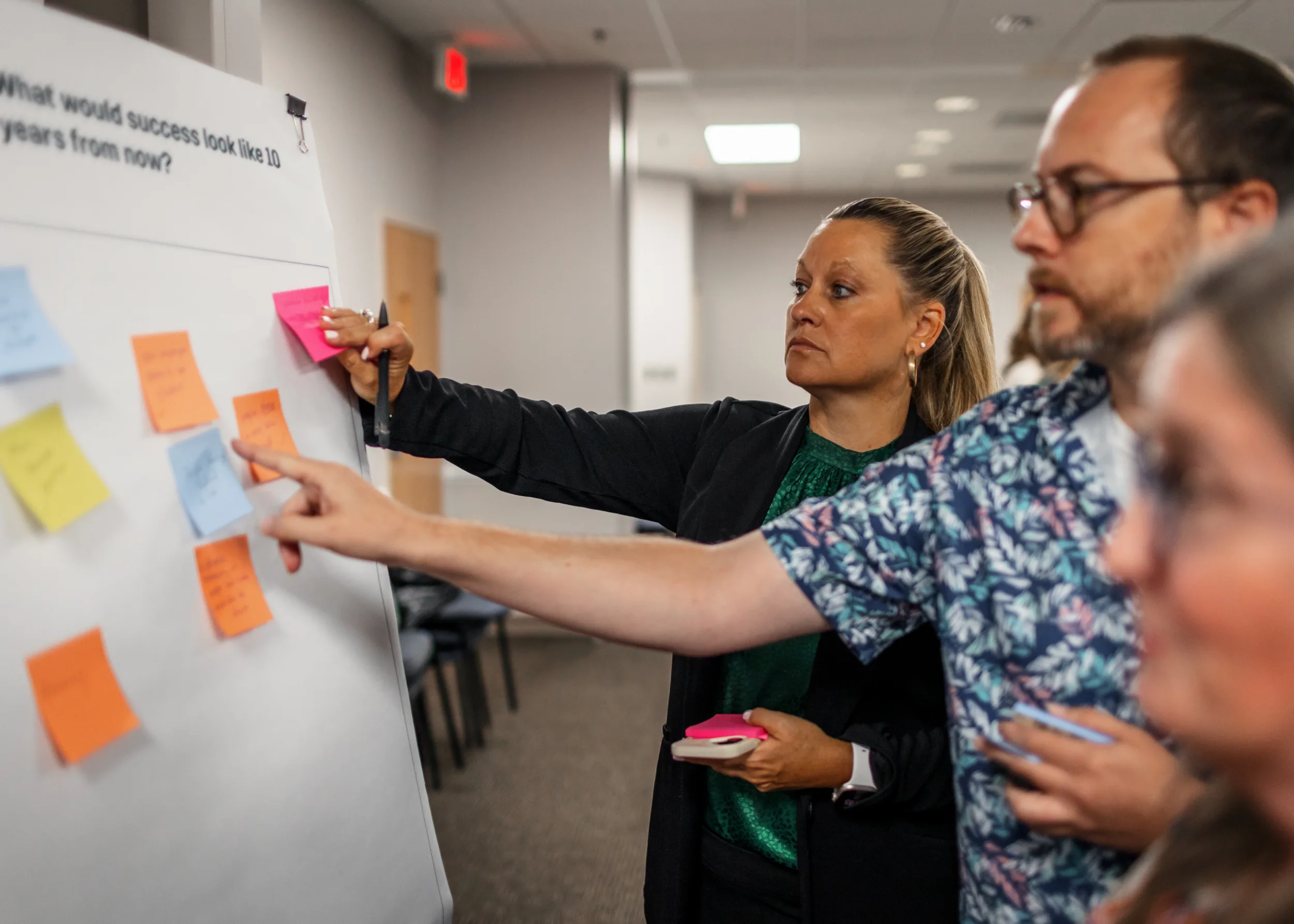
We tend to talk about creative economies and outdoor recreation as though they’re two separate conversations. In places like Southwest Virginia, they’re the same one.
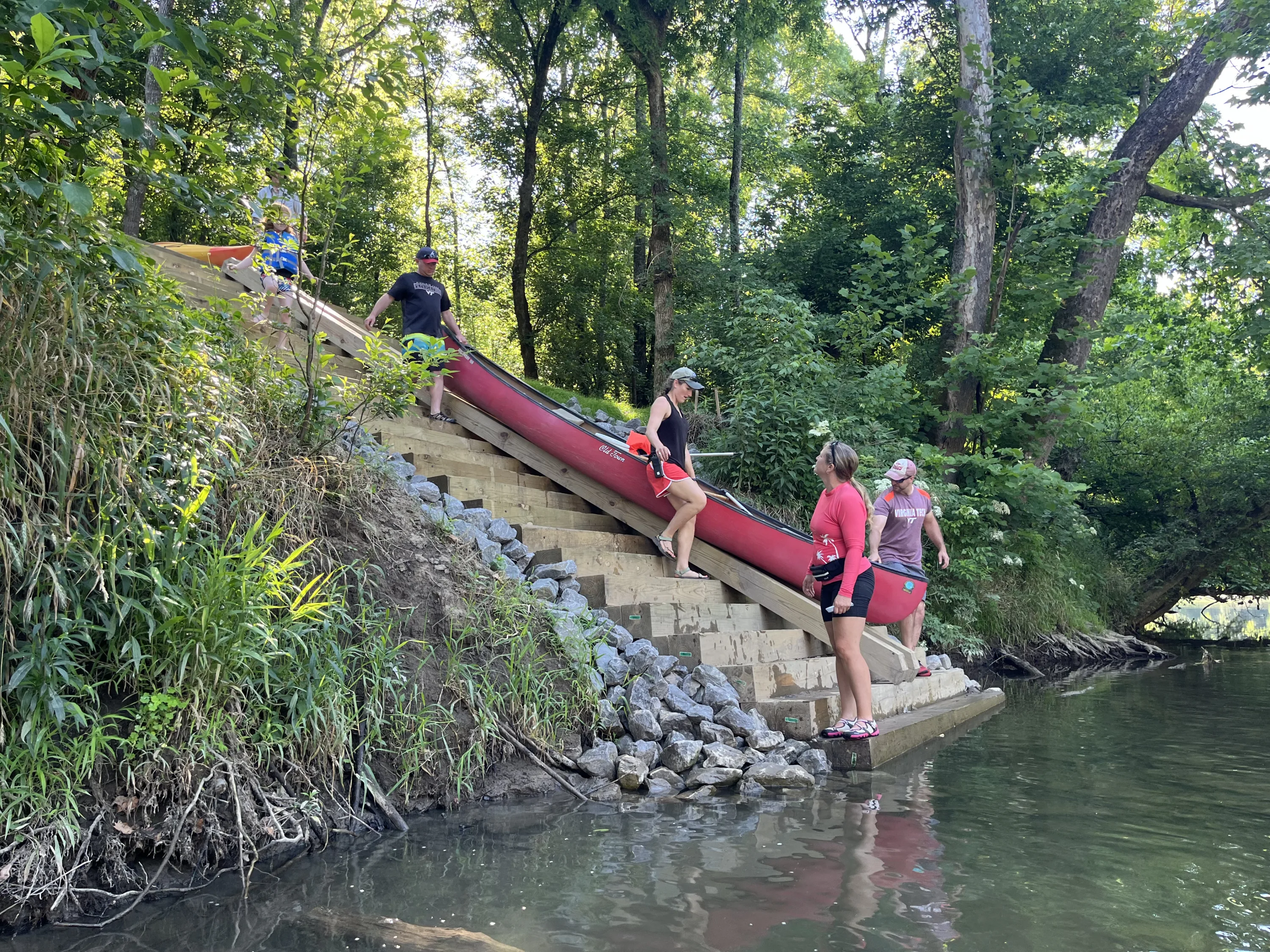
If the landscape is what shapes the region’s music, craft, and creative life, then access to that landscape matters. A new trail or a put-in on the river isn’t just something for visitors. It’s another way for the people who live and make things here to get closer to what inspires them: the potter who walks the ridge before opening the studio, the songwriter who works out a melody on the river. Every investment in outdoor access is, in a real sense, an investment in the creative economy.
Destination Southwest Virginia is mapping the region’s cultural, heritage, and outdoor recreation assets side by side, and that’s the question we keep coming back to: what happens when we stop treating a place’s creative economy and its natural landscape as separate priorities, and start treating them as one?
Southwest Virginia,
Right Now
Here’s what that actually looks like on the ground. Nineteen counties’ worth of people sitting in a room, saying what actually makes their community worth staying in and worth visiting. An economic analysis, done in partnership with Headwaters Economics, that will finally put real numbers behind what a fiddle tune, a hand-thrown bowl, or a downtown storefront is actually worth to a local economy still figuring out what comes after coal and tobacco.
The result, when it’s finished, will be two things: a 10-year strategic plan, and a public dashboard anyone in the region can use — a town leader, a grant writer, a shop owner deciding whether to open a second location. Not a binder that sits in a drawer, but a tool built to outlast the plan itself.
This won’t tell a town leader which grant to chase, or a shop owner whether to take the risk. It’ll just be the first time either of them has the numbers to make that call with confidence.
What Comes Next
The plan isn’t finished. Discovery and community engagement run through early next year, with the full roadmap and dashboard landing in 2027. You can follow along, or add your own voice to the survey, at destinationswva.org.
If you’re reading this from somewhere else, wondering what your own region might say if someone asked, that’s a conversation we’d genuinely like to have.