For communities looking to increase visitation, support local businesses, and improve quality of life, tourism can be a powerful economic development tool. The key is knowing where to begin and how to align tourism investments with long-term community goals. Below is a practical, step-by-step guide to help civic leaders, planners, and economic developers move from ideas to action.
At Destination by Design, we partner with civic leaders across the U.S. to plan, build, and promote vibrant places. Our services include community branding, trail and park planning, wayfinding planning, signage design, and destination marketing- all aimed at boosting quality of life and economic vitality. Looking to move your community forward? View services and contact us today.
Start with What Makes Your Community Worth Visiting
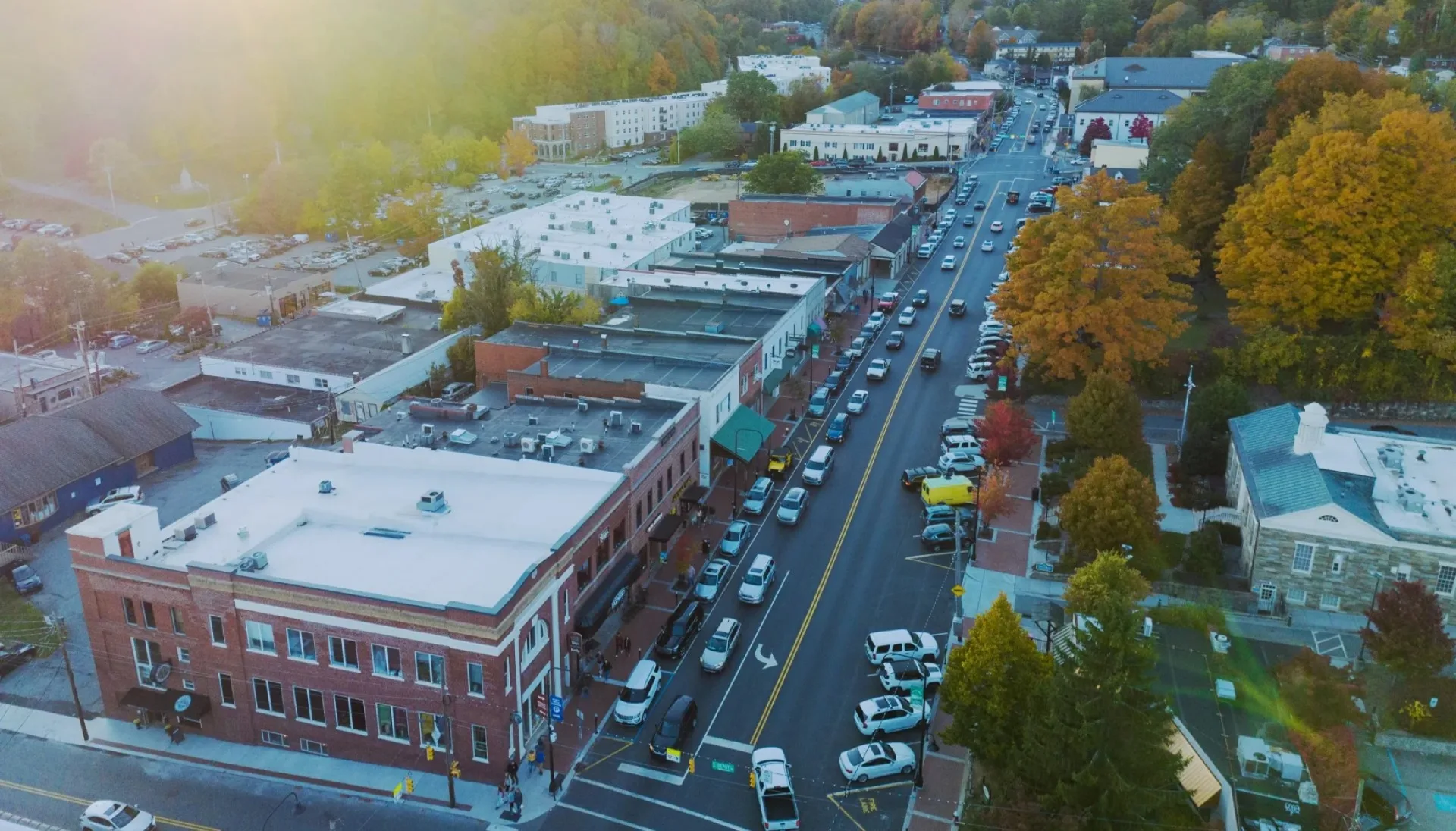
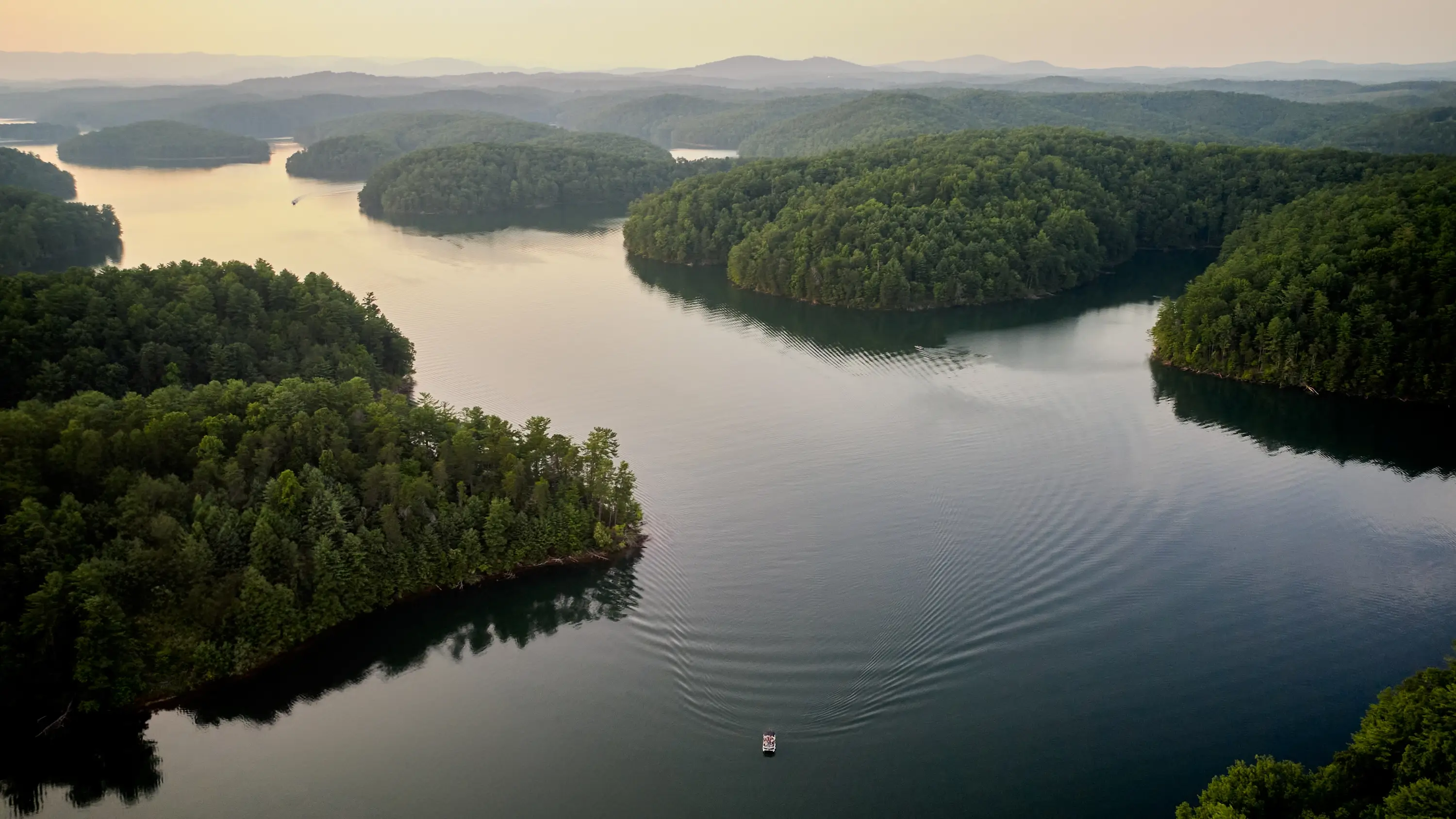
Every community already has tourism assets—they’re just not always packaged or promoted clearly. These assets might include historic downtowns, parks and trails, waterfronts, local events, cultural institutions, or a strong food scene.
Begin by taking inventory:
- Natural assets (parks, trails, lakes, scenic views)
- Built assets (downtown districts, civic spaces, public art)
- Cultural assets (festivals, music, history, local makers)
- Seasonal strengths (fall foliage, summer recreation, winter sports)
Tourism development works best when it builds on what already exists rather than trying to invent something new. Communities that lean into their authentic strengths tend to see stronger buy-in from residents and better results over time.
Build Local Alignment Before You Market Anything
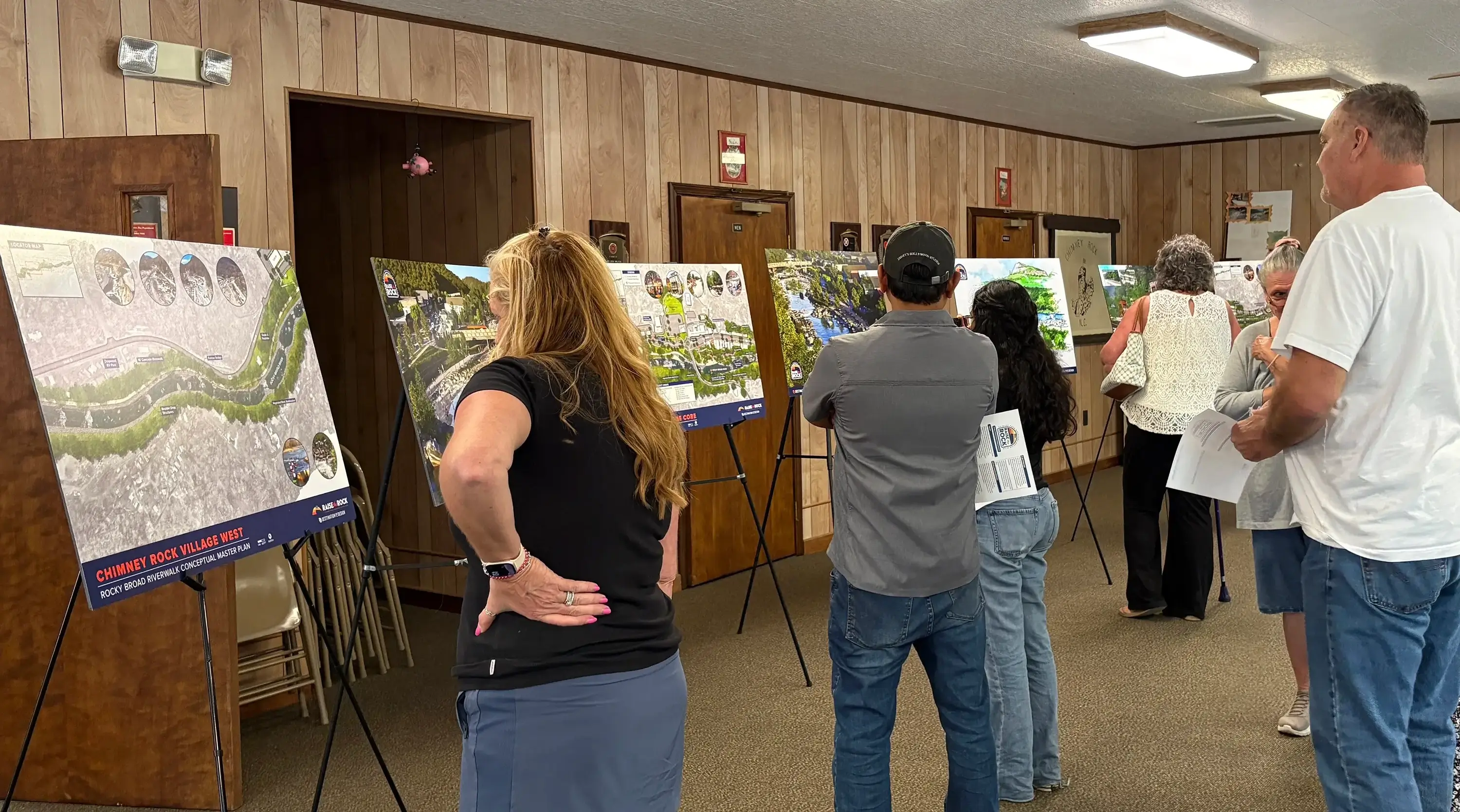
Tourism development is not just about visitors—it’s about residents first. If locals don’t support tourism efforts, growth becomes harder to sustain. Early engagement with stakeholders helps surface priorities, concerns, and opportunities that might otherwise be missed.
Key groups to involve include:
- Local government and staff
- Downtown development organizations
- Parks and recreation leaders
- Tourism and economic development staff
- Business owners and community advocates
Public workshops, surveys, and small-group conversations create shared ownership and reduce friction later in the process. When locals understand how tourism can strengthen infrastructure, fund amenities, and support small businesses, support grows quickly.
Define Clear Goals for Tourism Development
Not all tourism growth is the same. Some communities want overnight stays, while others focus on day trips or seasonal visitation. Before making investments, define what success looks like.
Common tourism development goals include:
- Increasing overnight stays and lodging tax revenue
- Supporting downtown retail and restaurants
- Activating underused parks, trails, or districts
- Spreading visitation beyond peak seasons
- Strengthening community identity and pride
When it comes to tourism development, clarity of goals helps guide decisions about branding, signage, capital projects, and marketing priorities.
Invest in the Visitor Environment First
Before promoting your community, make sure it’s easy and welcoming to navigate. Visitors form opinions quickly based on how intuitive and comfortable a place feels.
Foundational investments often include:
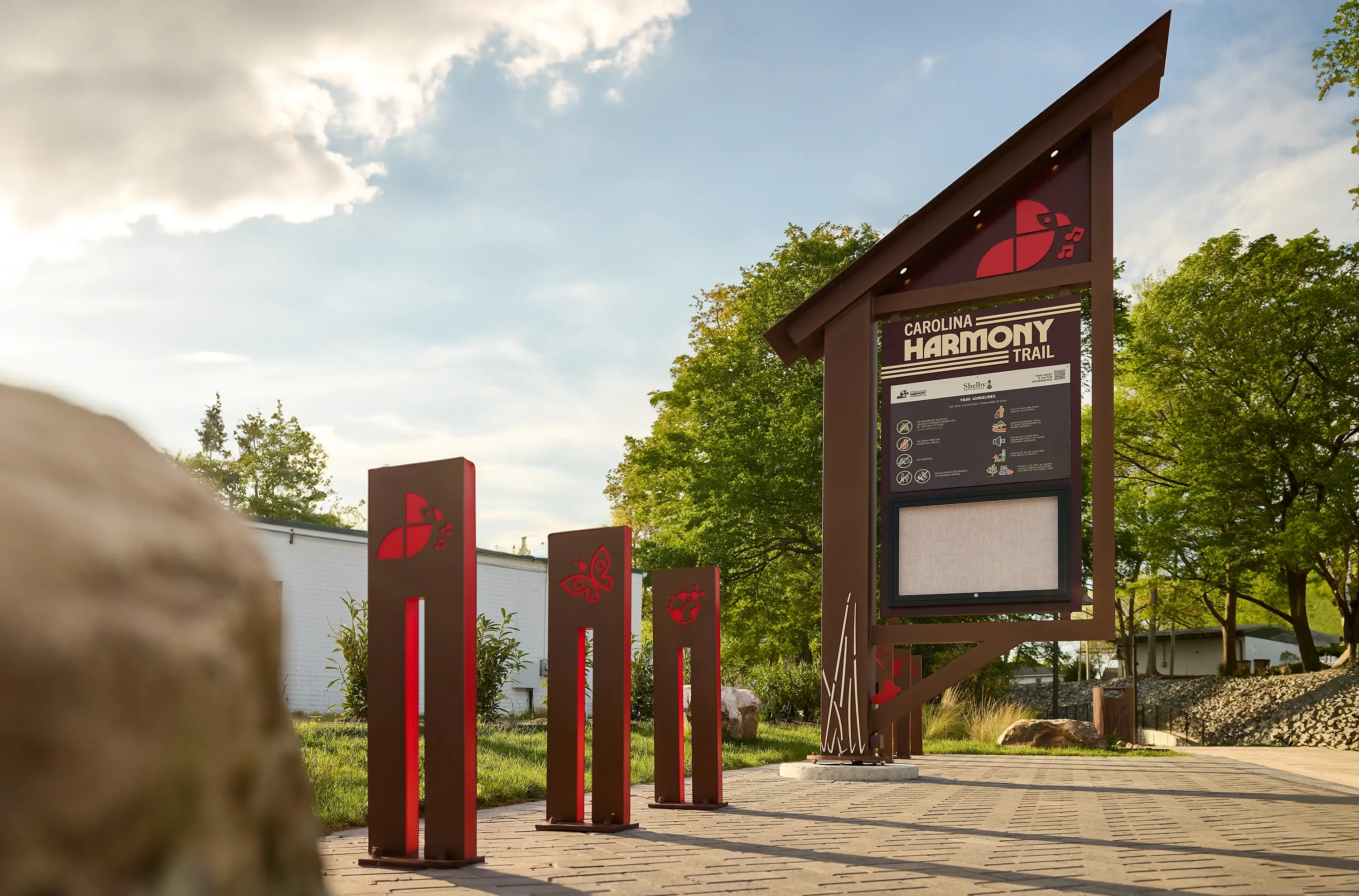
- Wayfinding signage for vehicles, pedestrians, and trails
- Parking guidance and downtown navigation
- Placemaking elements like gateways, kiosks, and public art
- Well-maintained parks, restrooms, and civic spaces
These improvements benefit residents just as much as visitors. Clear signage, cohesive design, and legible districts help people stay longer, explore more, and spend more locally.
Create a Cohesive Community Brand
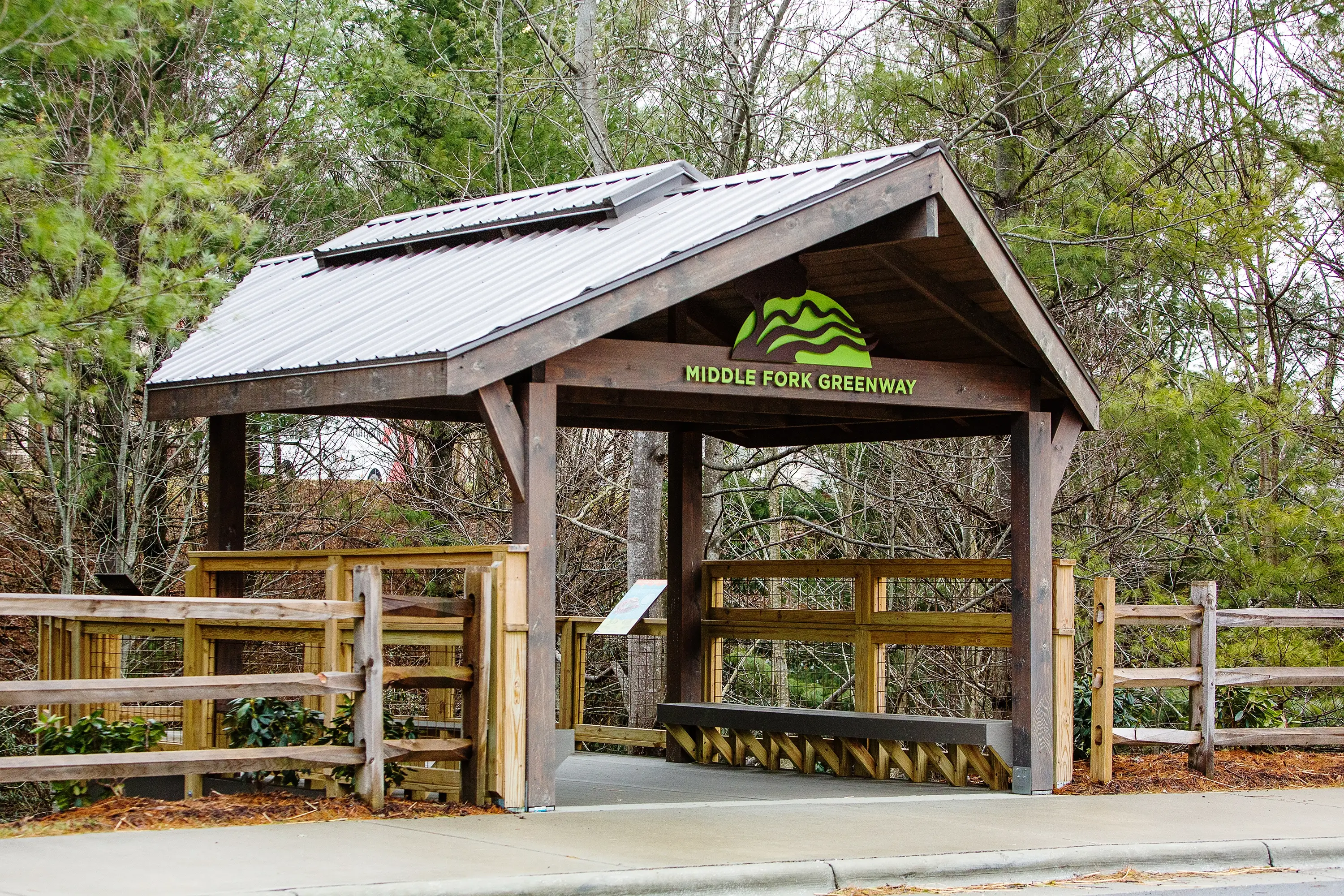
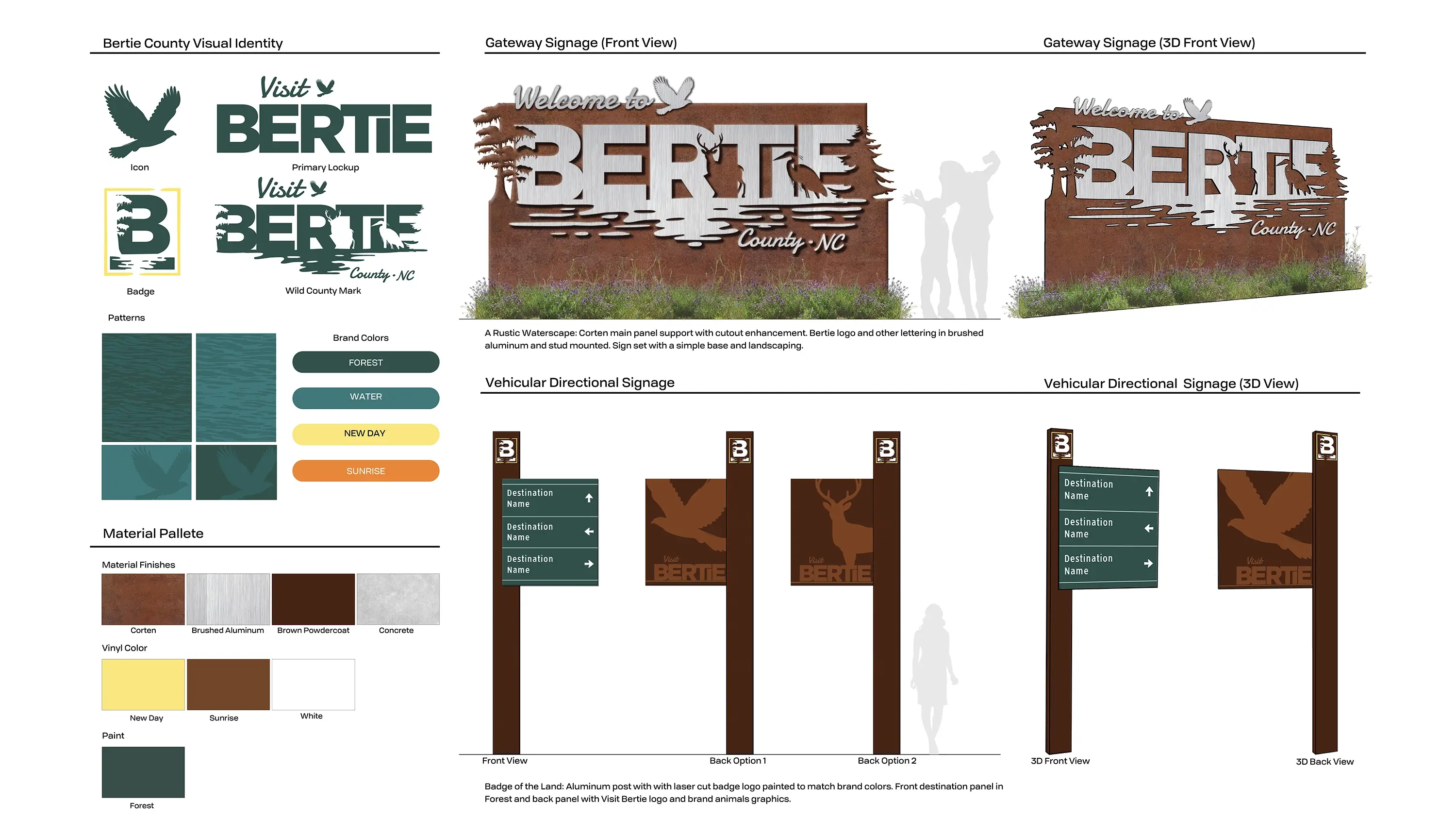
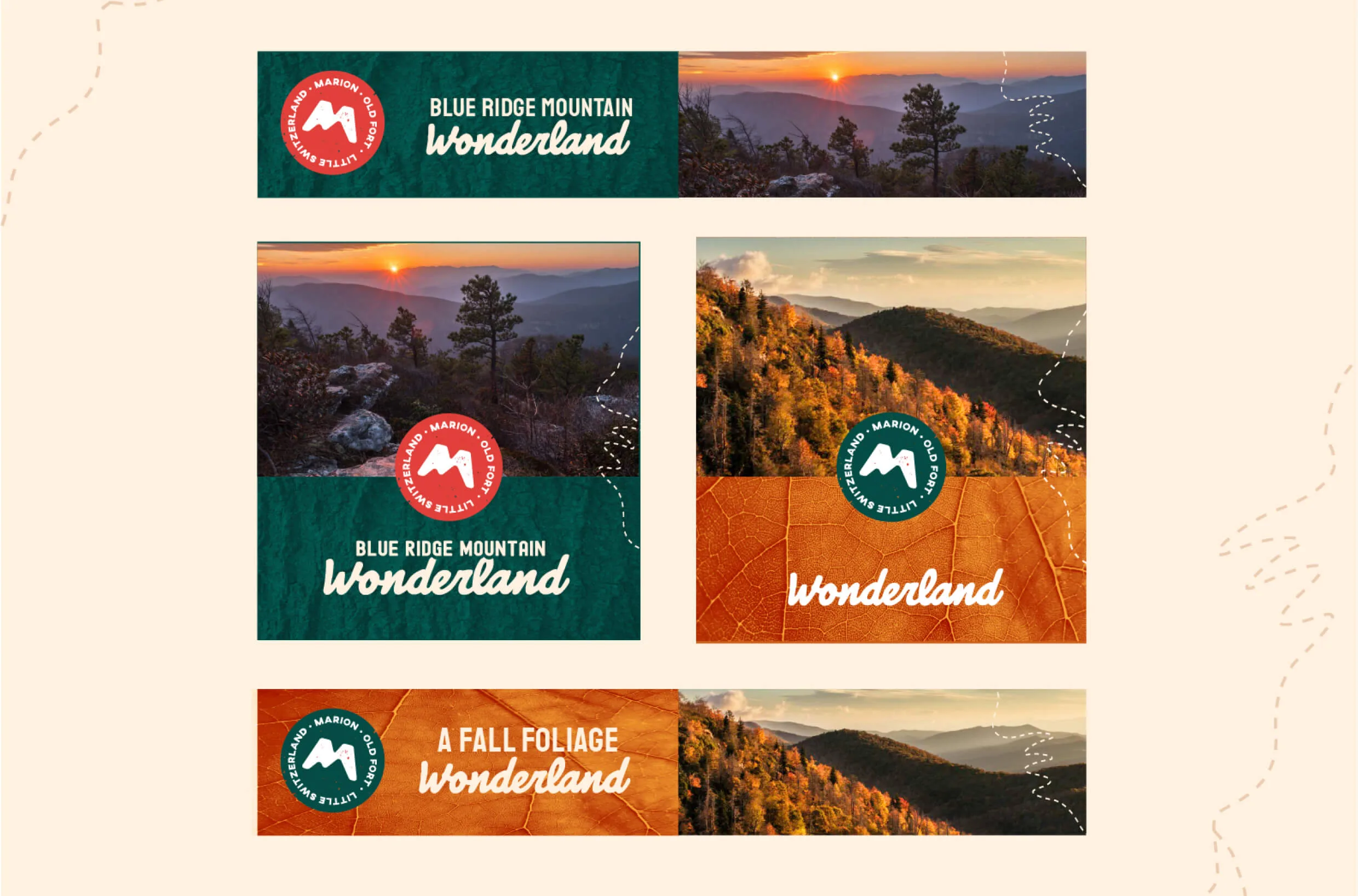
Tourism development and community branding should work hand in hand. A strong brand isn’t a logo—it’s a visual and verbal system that tells a consistent story across signage, marketing, and public spaces.
Effective community branding:
- Reflects local character and values
- Feels authentic, not generic
- Works across physical and digital touchpoints
- Helps visitors understand what makes your place different
A cohesive brand strengthens wayfinding systems, improves marketing performance, and creates a sense of place that residents can stand behind.
Connect Tourism Development to Economic Development
Tourism should never exist in a silo. The strongest communities link tourism development directly to broader economic goals.
This might look like:
- Using tourism to support small business growth
- Attracting private investment near key destinations
- Revitalizing downtown or waterfront districts
- Supporting workforce development tied to hospitality and recreation
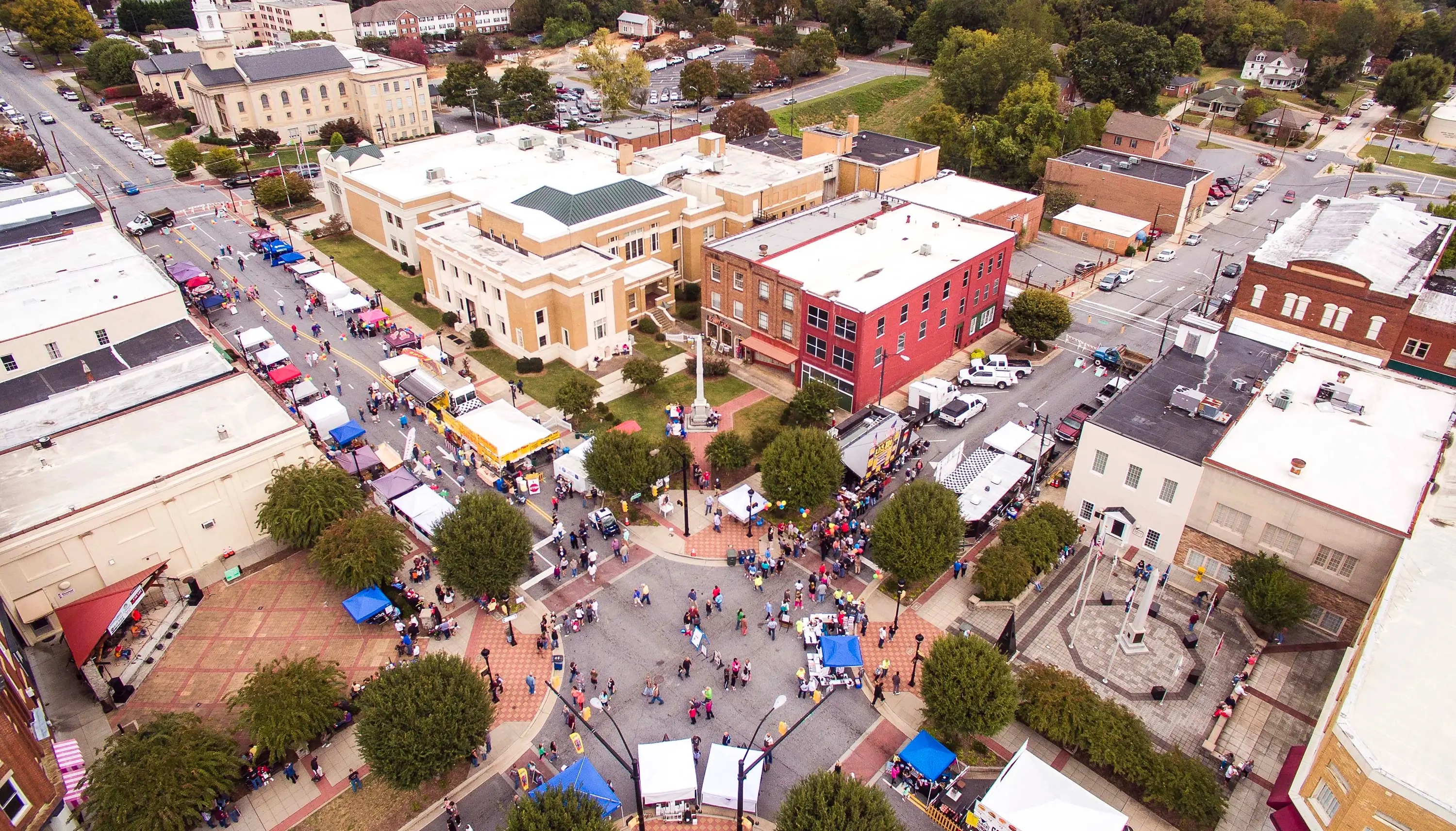
Tourism can serve as the front door to longer-term economic opportunity, introducing people to a place they may later choose to invest in, relocate to, or start a business in.
Plan for Phased, Sustainable Growth
Tourism development doesn’t have to happen all at once. In fact, phased approaches often work best for managing budgets and community expectations.
Early-phase efforts might include:
- Pilot signage projects
- Branding and messaging updates
- Small placemaking improvements
- Targeted marketing campaigns
As visitation grows, communities can scale investments in infrastructure, programming, and promotion. Phased growth allows leaders to measure results, adjust strategies, and build momentum without overextending resources.
Work with Partners Who Understand Place-Based Tourism
Tourism development sits at the intersection of planning, design, engineering, and marketing. Communities benefit most when these disciplines work together from the start.
Destination By Design partners with communities across the country to plan, design, build, and promote tourism initiatives that strengthen local identity and drive measurable economic impact. From wayfinding signage and community branding to park design and destination marketing, our firm and agency approach tourism development as a long-term investment in people and place.
If your community is ready to turn its assets into opportunity, we’re here to help you build a clear path forward.

Request a Proposal
Discover how we can
bring your vision to life.