


Communities navigating recovery must balance immediate needs with decisions that shape infrastructure and economic stability — often while capacity and resources are stretched.
Recovery planning helps communities organize this work. By establishing priorities and creating a framework for implementation, recovery plans provide structure after a disaster, during uncertain times and rapidly changing conditions. At its core, disaster recovery planning helps affected communities make complex decisions that will shape citizens’ lives and the community’s sense of place for years to come.
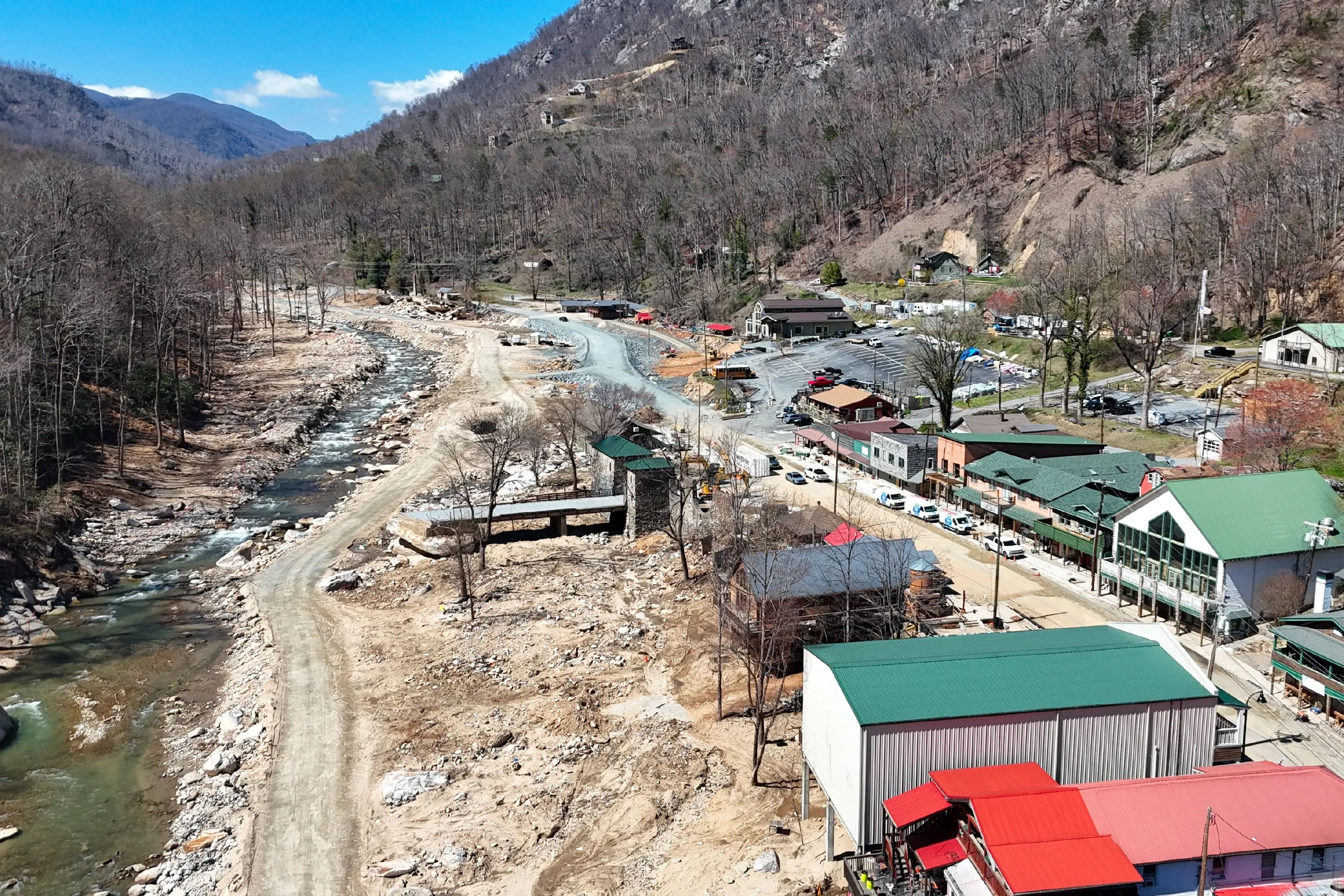
Our disaster recovery plans support communities as they move from response to sustained recovery. We work alongside local leaders and partners to develop plans that are practical, adaptable, and grounded in local needs and capacity.
Our work also helps communities navigate complex federal and state disaster recovery funding, including FEMA Public Assistance, CDBG-DR, and EDA programs, by aligning local priorities with funding requirements and implementation timelines.
What This Looks Like in Practice
Disaster recovery planning looks different in every community, shaped by local conditions and capacity. The following examples illustrate how this approach has been applied in communities navigating recovery at various stages.
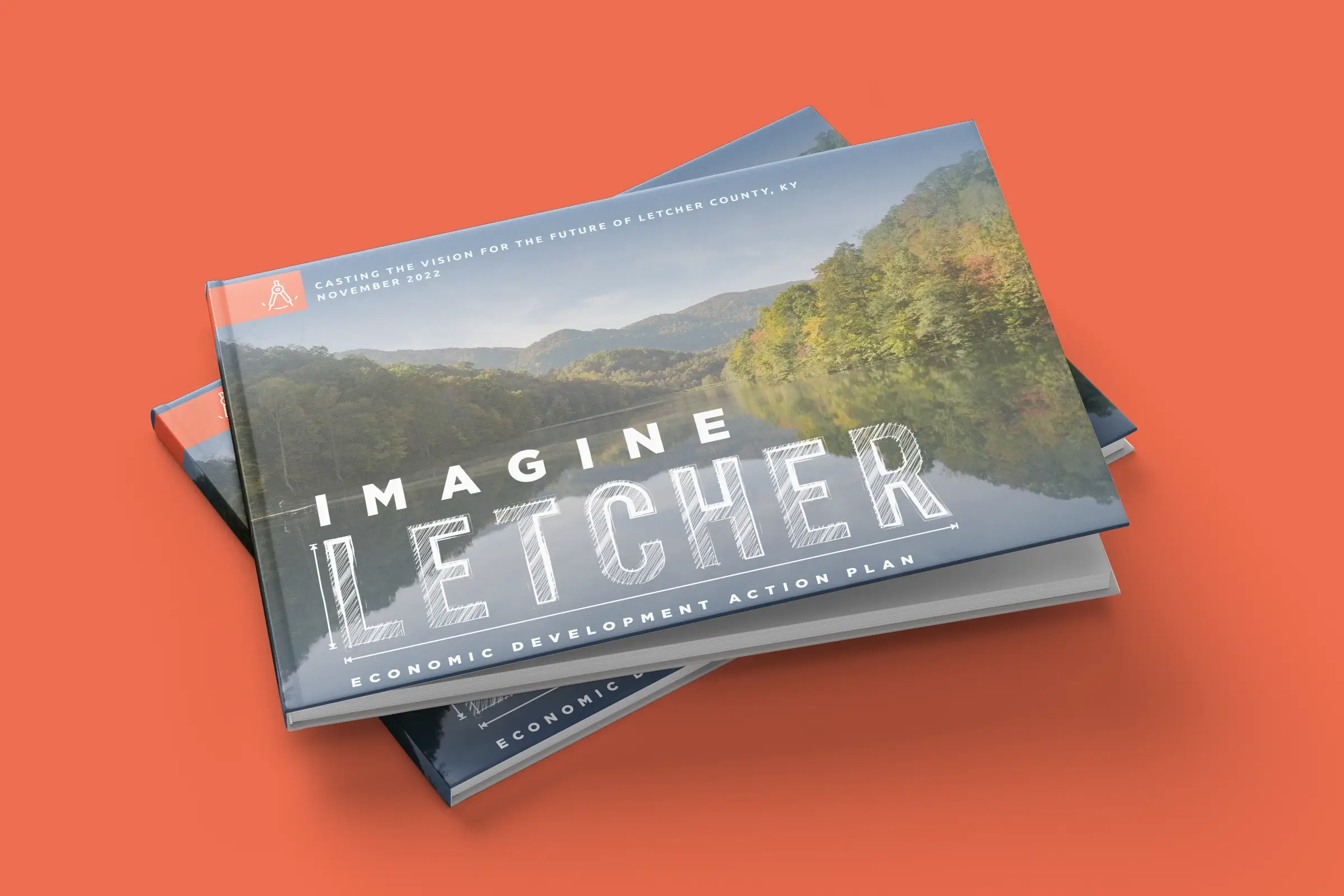
Letcher County, Kentucky
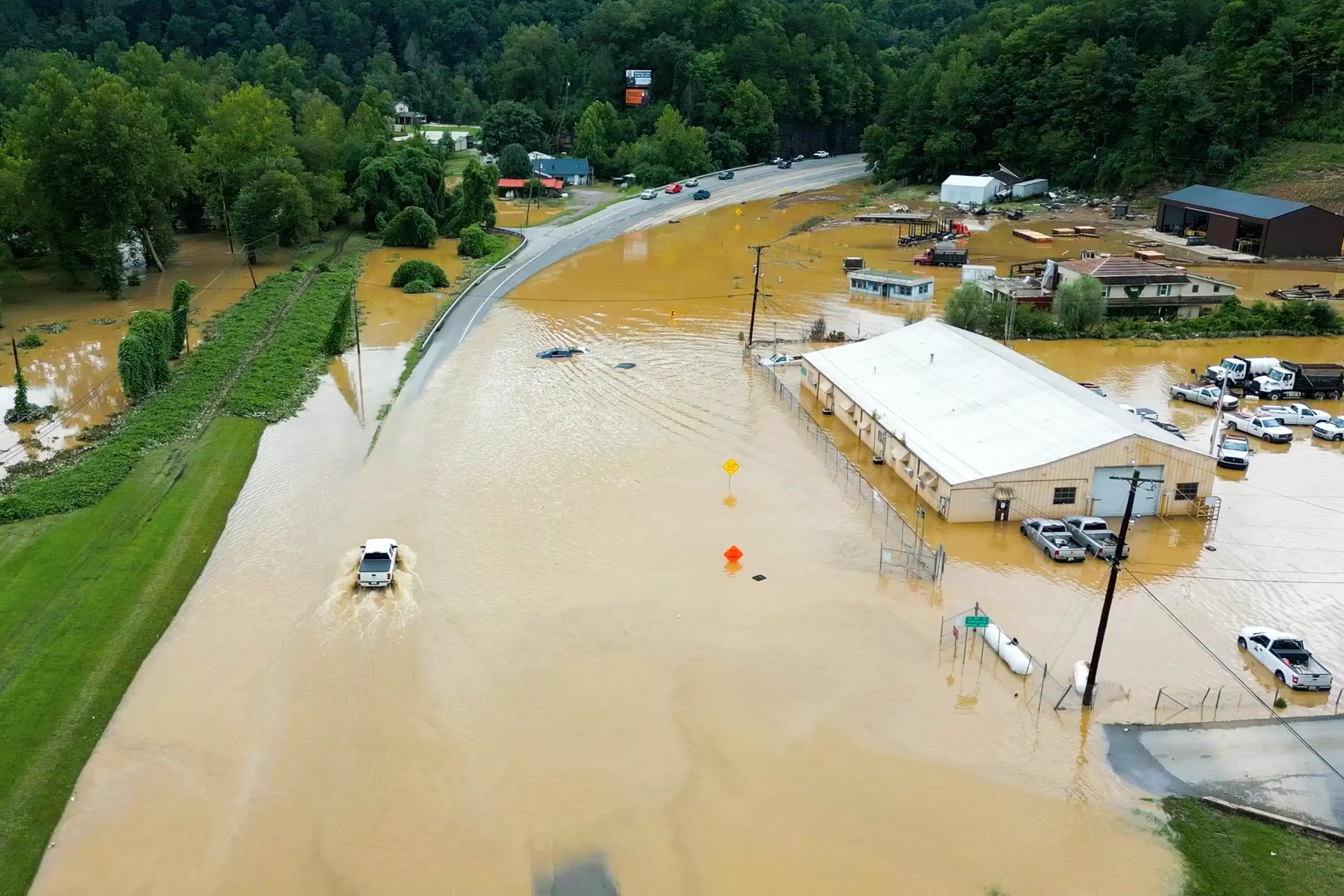
Following the 2022 catastrophic flood in Eastern Kentucky, Destination by Design worked with Letcher County to develop the Imagine Letcher Economic Development Plan. This plan established a coordinated framework and helped secure approximately $20–30 million in recovery and redevelopment funding. It aligned recovery priorities with broader economic development goals.
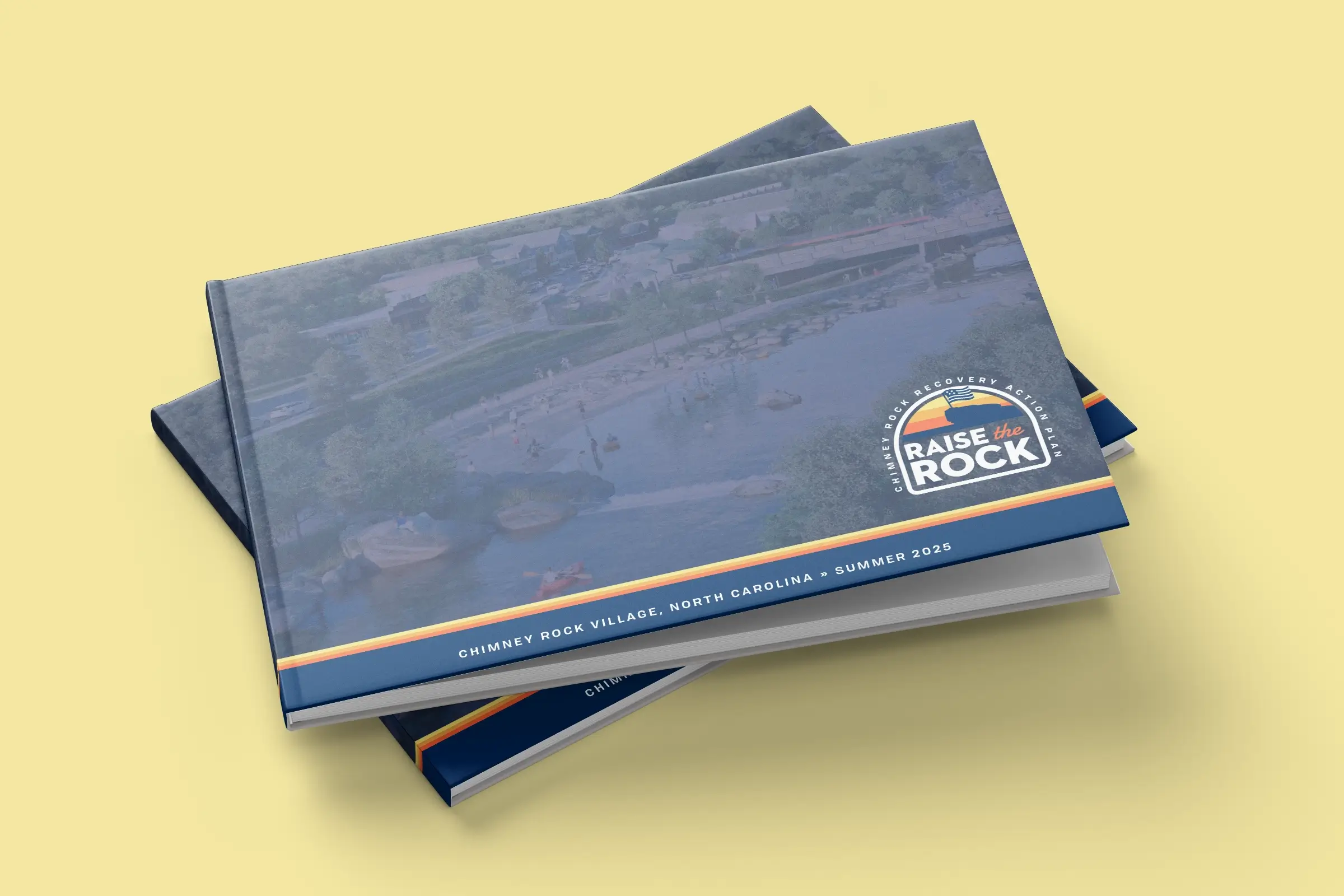
Chimney Rock Village, North Carolina
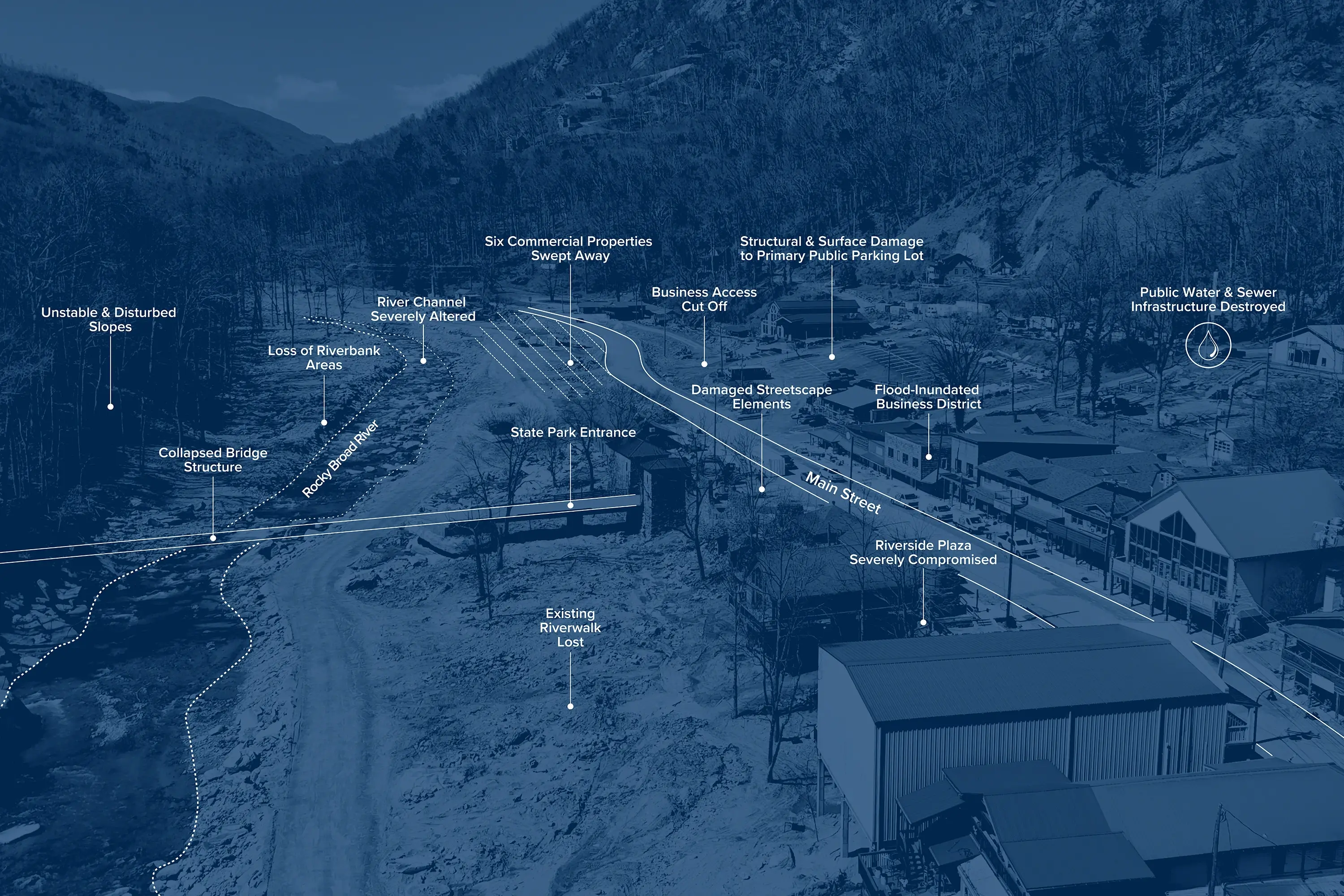
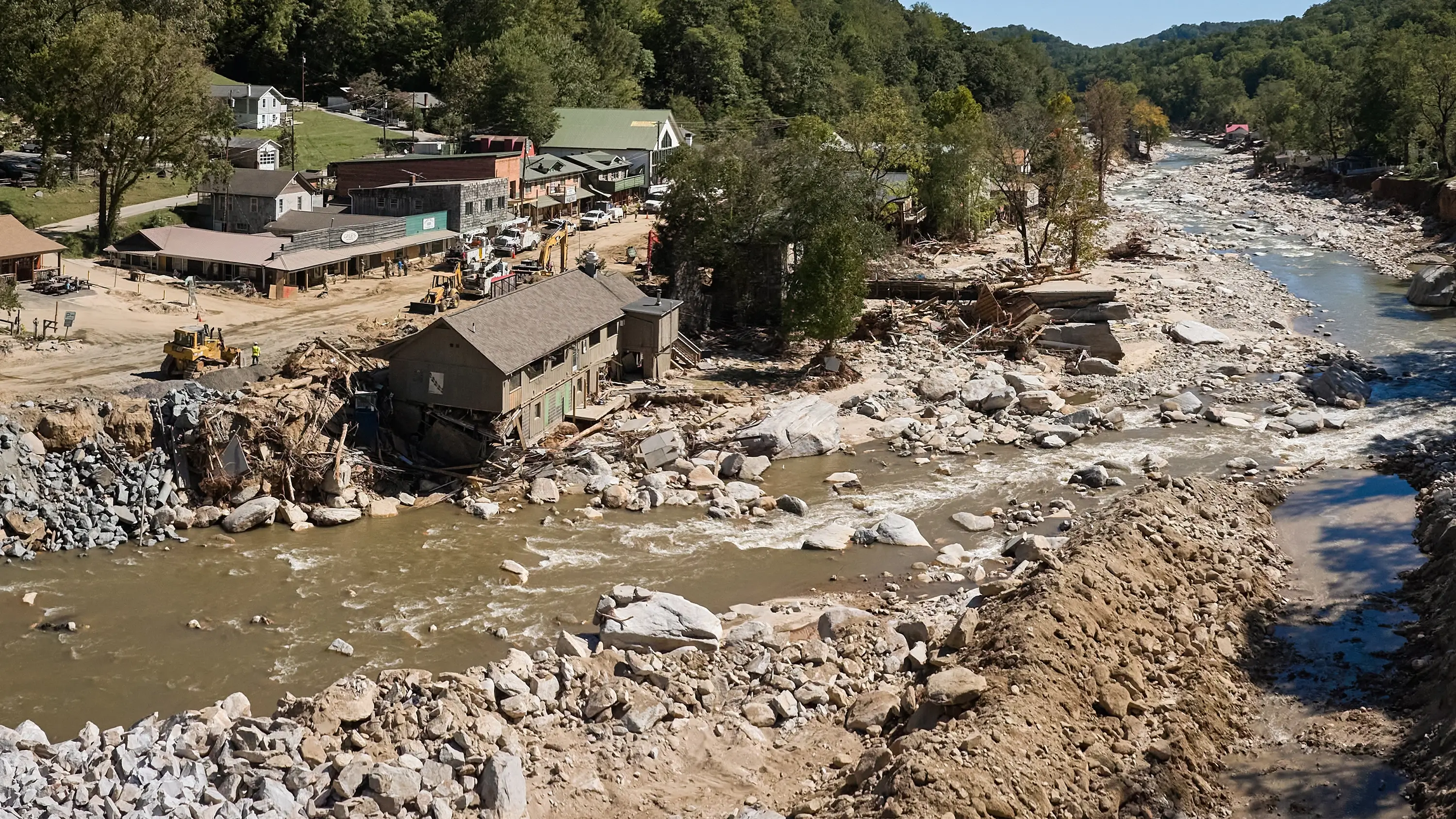
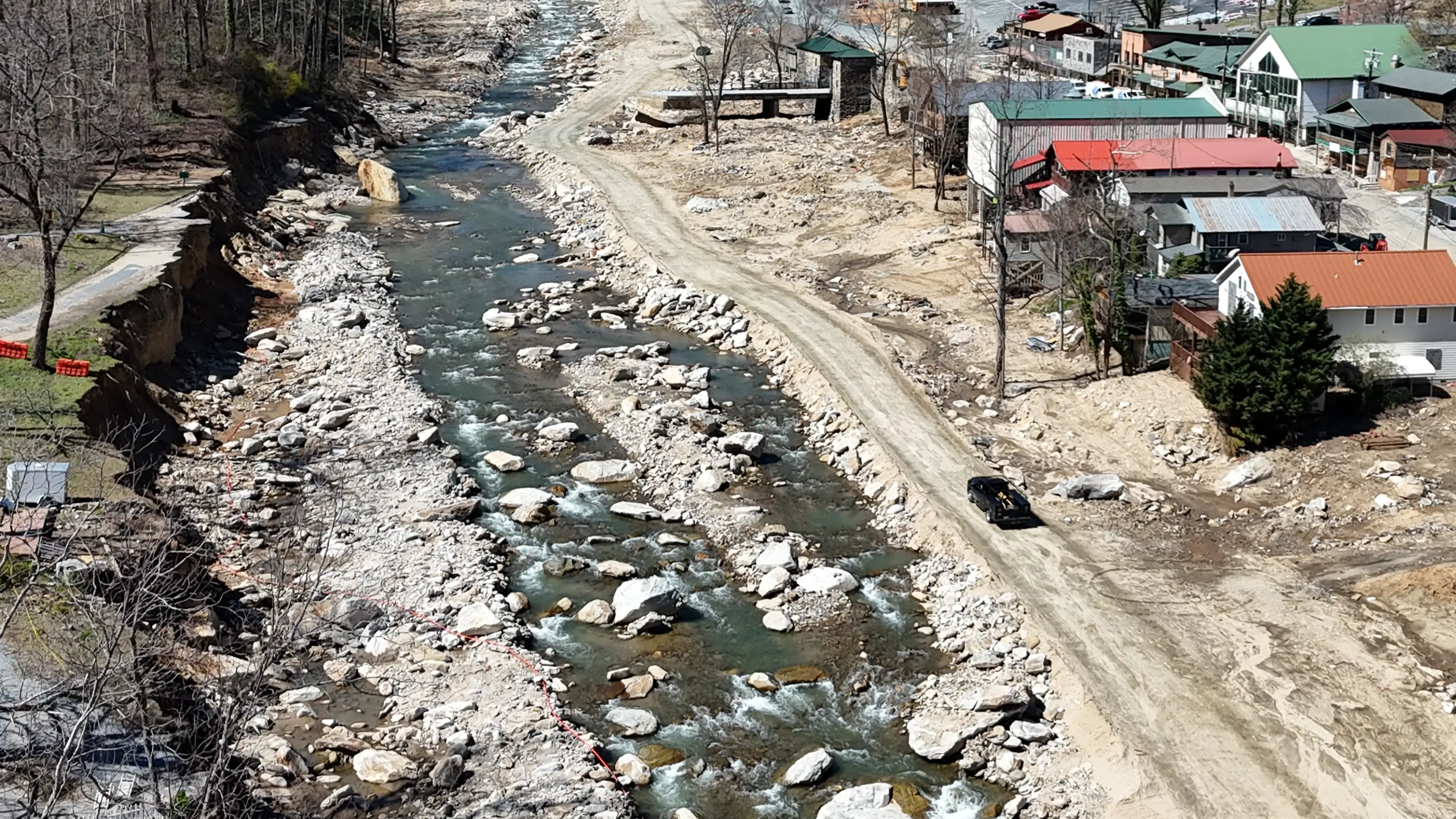
After Hurricane Helene decimated Chimney Rock Village, NC, Destination by Design partnered with local leaders to develop the Raise the Rock Action Plan. This disaster recovery plan is guiding recovery and long-term investment, while helping the community coordinate state and federal recovery funding — including FEMA Public Assistance — with clear, locally driven priorities. The plan clarified priorities for rebuilding and has helped direct approximately $20 million in funding to date.

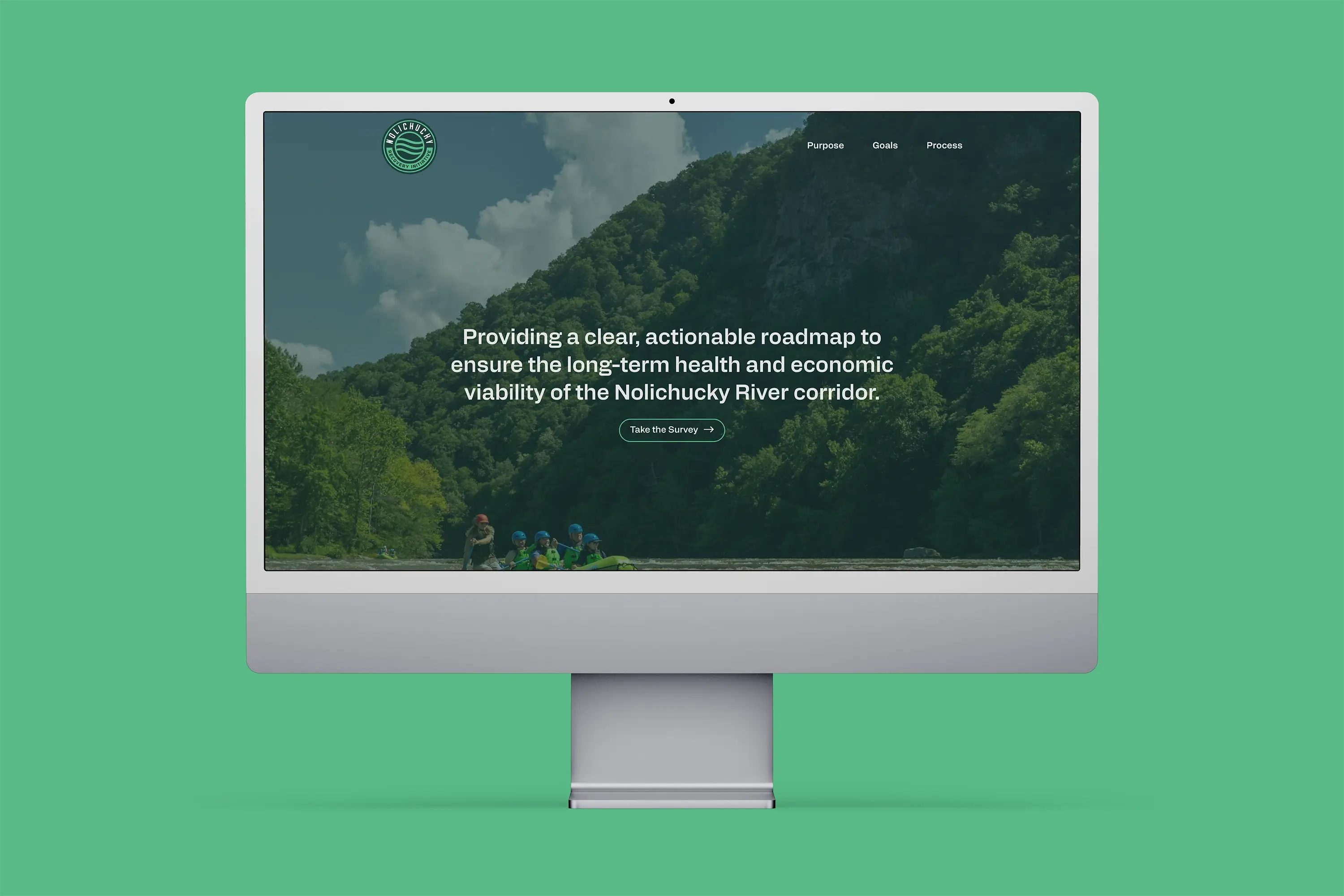
Unicoi County, Tennessee
In Unicoi County, extreme flooding along the Nolichucky River during Hurricane Helene prompted the launch of the Nolichucky Recovery Initiative, a collaborative planning effort focused on long-term recovery and resilience. Destination by Design is supporting this ongoing work as the community develops a shared vision for restoring the river corridor and strengthening public access to natural assets that support quality of life and economic opportunity.

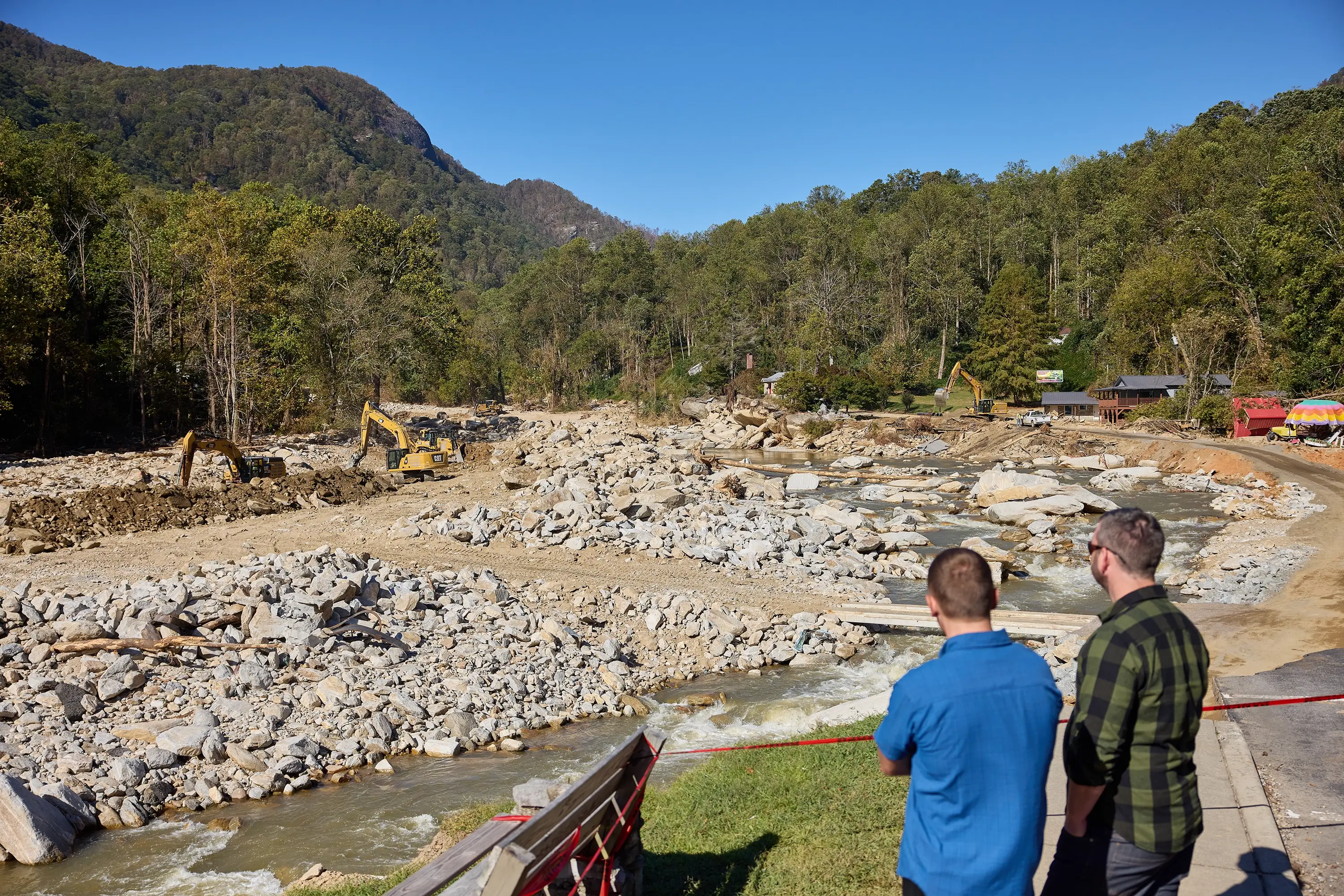
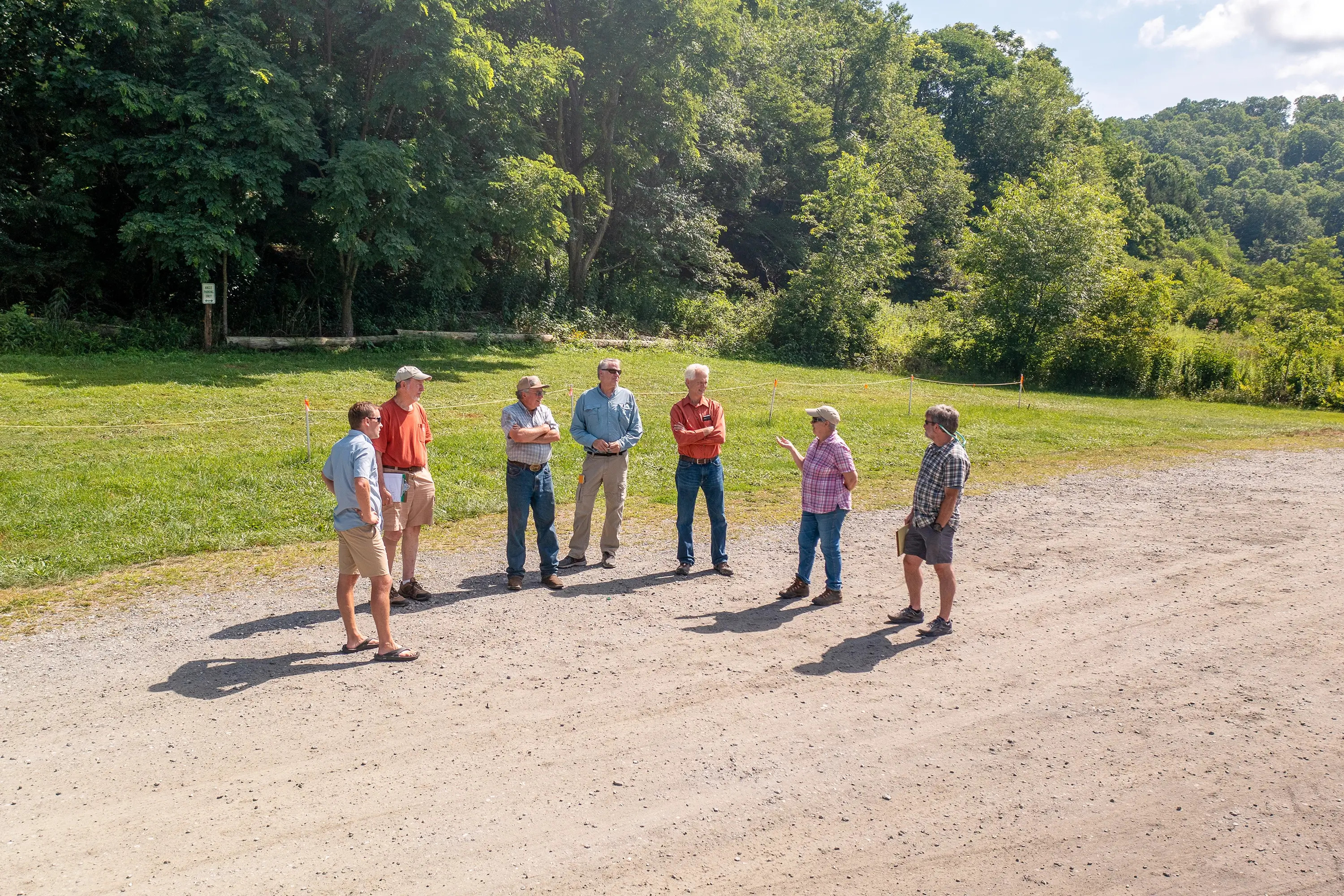
Site Analysis
Surveying and assessing impacted sites, gathering data and ideas for future recommendations.

Why Disaster Recovery Planning Matters
Disaster recovery planning is not a one-time effort. It provides a shared framework that communities can rely on as conditions evolve, funding opportunities emerge, and priorities shift.
Effective recovery plans are flexible. They acknowledge uncertainty and help communities navigate change by offering clarity around what matters most and what comes next. This allows communities to remain proactive, even when recovery unfolds unevenly.
Recovery planning is inherently human-centered. Decisions about housing, infrastructure, and economic development shape daily life and long-term opportunity. Planning helps ensure these decisions are made thoughtfully and transparently, with community priorities in mind.

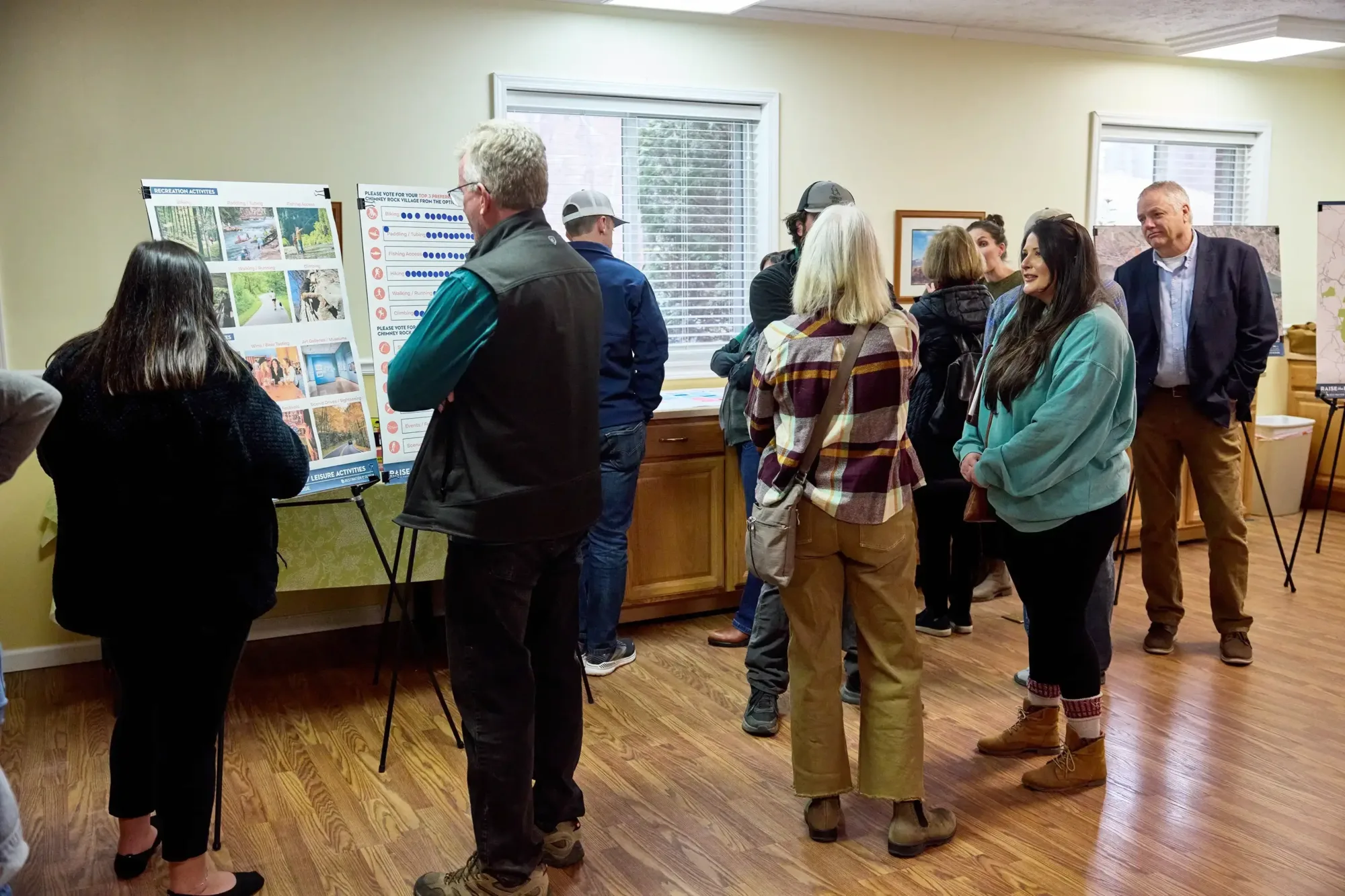
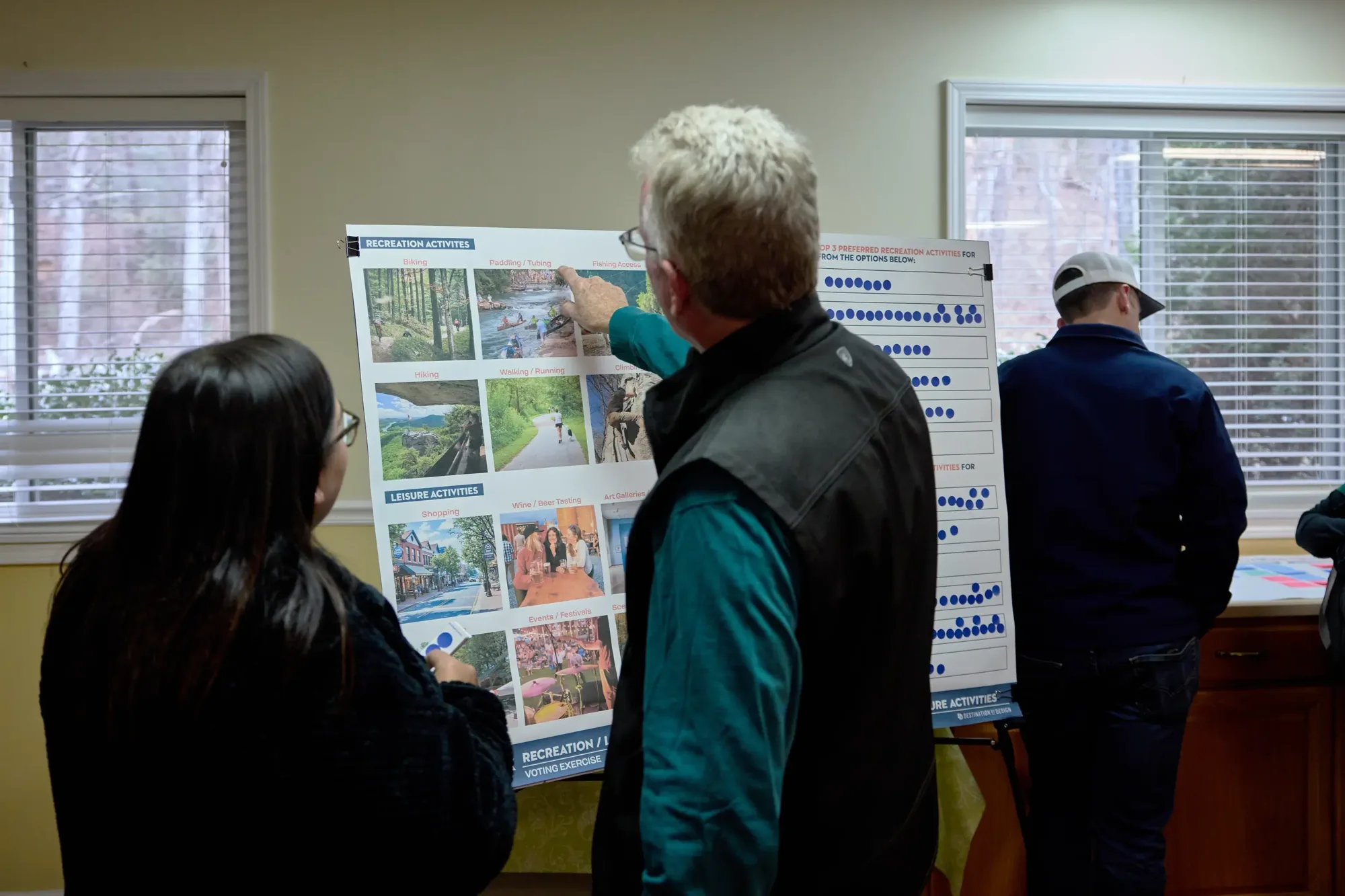
Public Engagement
It is critical to engage residents early in the planning process through public workshops.

How Planning Helps Communities Navigate Recovery
Our approach to disaster recovery planning is grounded in collaboration and realism. We work with communities to assess impacts, identify priorities, and translate those priorities into a strategy. This requires coordination across sectors.
Rather than treating recovery as separate from long-term planning, we integrate recovery strategies into broader economic development and community planning efforts. This helps ensure that recovery investments address immediate needs while contributing to future stability.
Across projects, the goal remains consistent: to help communities create plans they can actually use — plans that guide implementation and support funding readiness throughout a complex recovery process.
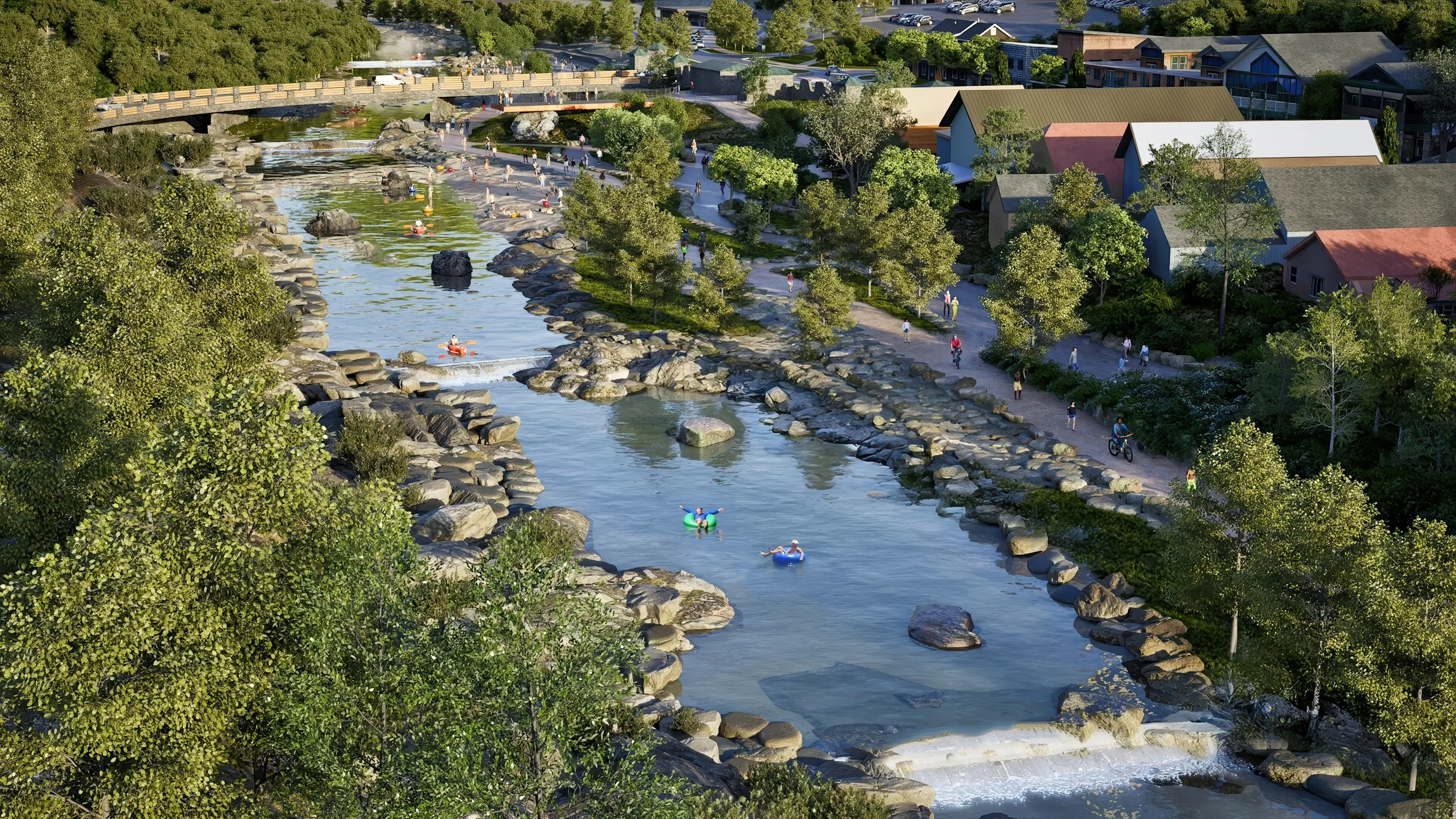
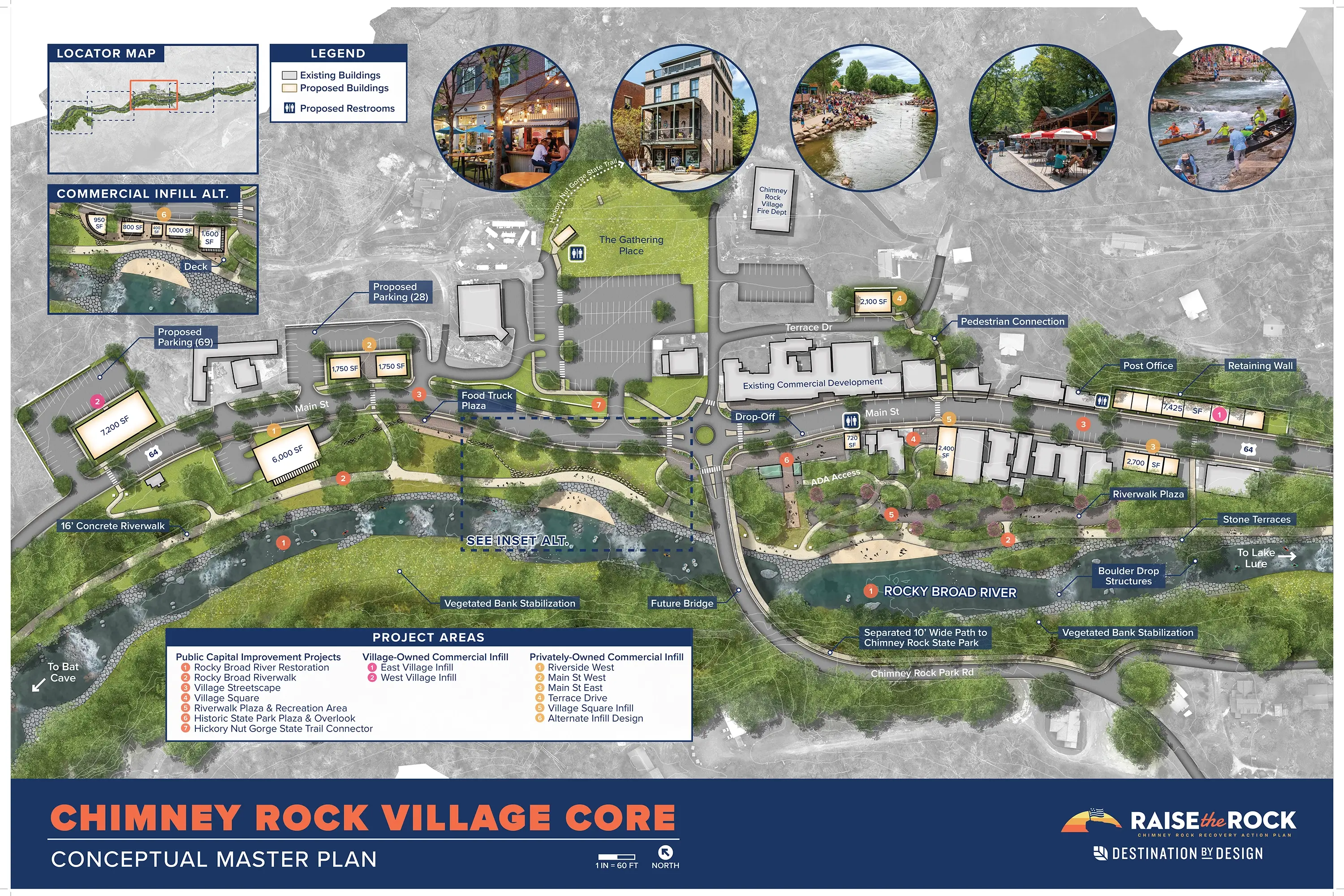
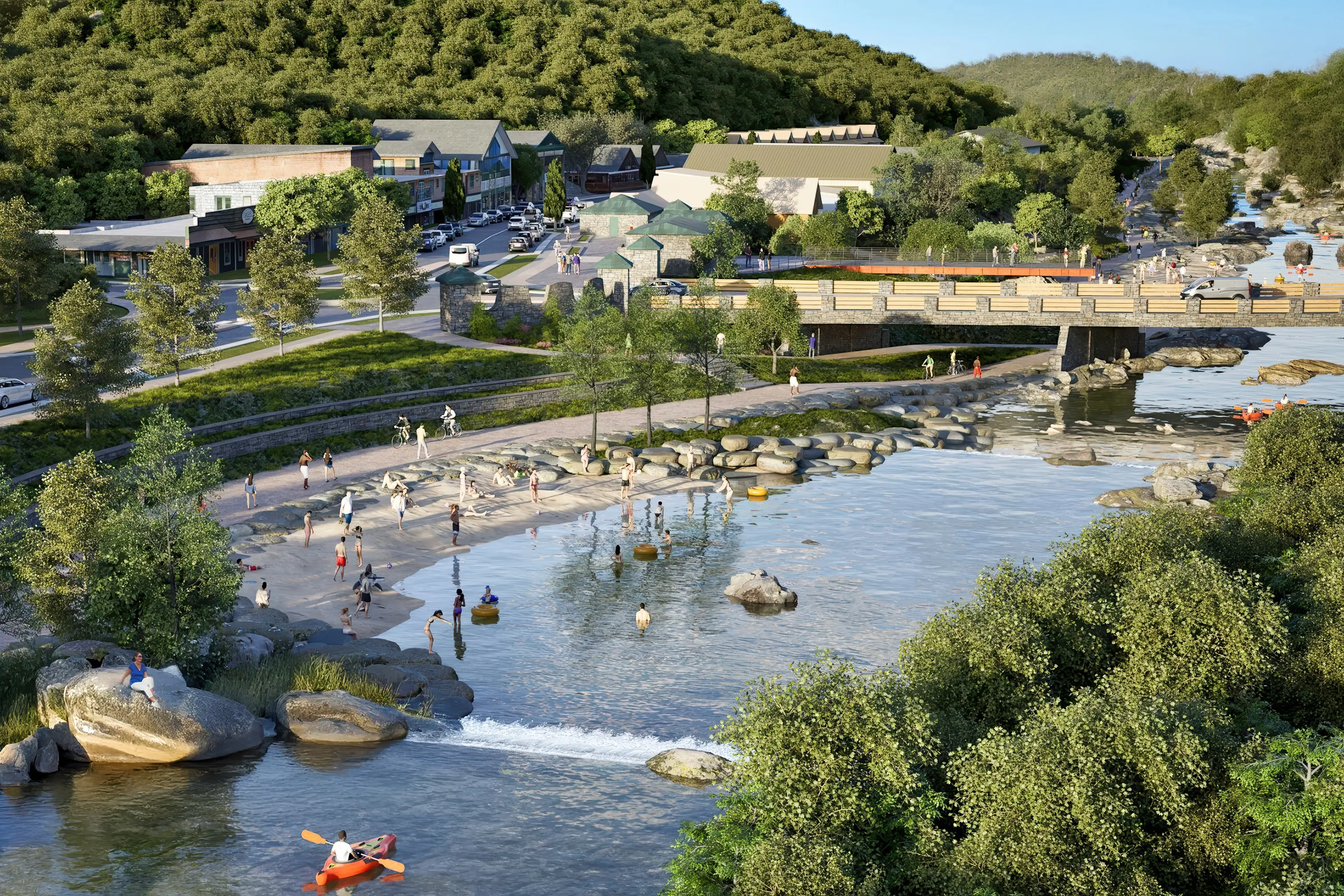
Site Plans and Renderings
Concept-level site plans and renderings are made to visually communicate how proposed improvements fit together.
Final Plans
View the finalized Action Plans for these Letcher County, Chimney Rock Village, and the Nolichucky River.
Recovery Is Ongoing Work
Disaster recovery does not follow a straight line. It requires patience, coordination, and sustained commitment from communities and partners. Planning provides a framework for navigating uncertainty and maintaining momentum over time.
We view disaster recovery planning as long-term, human-centered work — supporting communities as they rebuild, adapt, and move toward more resilient futures.

Request a Proposal
Discover how we can
bring your vision to life.

